Why is my child so disrespectful? Finally, the real answers!
Uncover the real reasons behind your child's disrespectful behavior and learn practical strategies to foster a home filled with mutual respect and connection. Nami Kids offers tools to help.
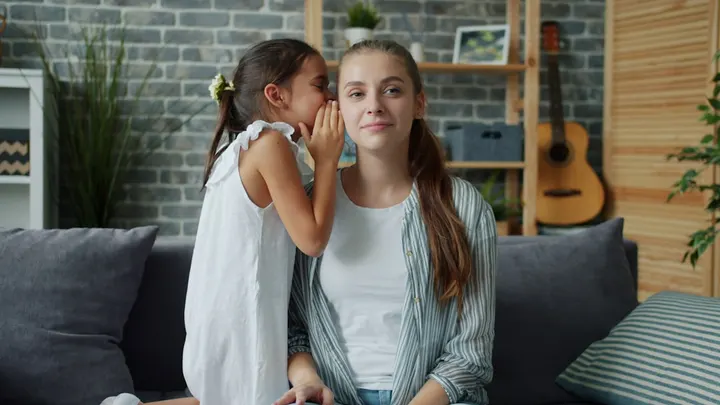
Every parent has been there. That moment when your child’s words or actions sting, leaving you wondering, “Why is my child so disrespectful?” It’s a question that echoes in countless homes, often accompanied by feelings of frustration, hurt, and even guilt. You pour your heart and soul into raising them, only to be met with eye-rolls, backtalk, or outright defiance. It can feel like a personal attack, eroding the joy of parenting and leaving you searching for answers.
You’re not alone in this struggle. According to a 2018 survey by the American Academy of Pediatrics, 75% of parents reported their children were 'often' or 'sometimes' disrespectful. This challenge of navigating disrespectful behavior is a universal parenting hurdle, one that can test the strongest of bonds. It’s easy to feel isolated, believing that perhaps you’ve done something wrong or that your child is uniquely difficult. But the truth is, disrespect in children is often a complex symptom of underlying issues, developmental stages, or even the subtle influences of their environment.
At Nami Kids, we understand these deep-seated concerns. We believe that understanding the 'why' is the first crucial step towards finding effective solutions. This comprehensive guide will delve into the real reasons behind your child’s disrespectful behavior, offering clarity, empathy, and most importantly, practical strategies to help you foster a home filled with mutual respect, understanding, and genuine connection. Let's uncover the real answers together.
The Problem: Unpacking the Roots of Disrespectful Behavior
When a child acts disrespectfully, it's rarely a simple act of malice. Instead, it's often a complex signal, a cry for help, or a reflection of something deeper happening within them or their environment. Understanding these underlying causes is paramount to addressing the behavior effectively, rather than just reacting to the surface-level defiance. Let's explore the multifaceted reasons why children might exhibit disrespect.
Developmental Stages and Brain Development
One of the primary reasons for what appears to be disrespect is simply a child's stage of development. Young children, especially toddlers and preschoolers, are still learning about social norms, empathy, and impulse control. Their brains are rapidly developing, but the prefrontal cortex – responsible for reasoning, planning, and understanding consequences – is still very immature. This means they might blurt out hurtful words without fully grasping their impact, or defy instructions because their impulse to explore or assert independence is stronger than their ability to comply.
As children enter the pre-teen and teenage years, a new wave of developmental changes occurs. Adolescence is a period of intense identity formation, where children naturally begin to pull away from parental authority to establish their own sense of self. This 'breaking away' process, as some experts describe it, can manifest as eye-rolling, sarcasm, or challenging rules. While it's a normal part of growing up, the way it's expressed can often feel like a direct affront to parents. They are testing boundaries, seeking autonomy, and sometimes, their communication skills haven't caught up with their burgeoning independence.
Unmet Emotional Needs
Often, disrespectful behavior is a symptom of unmet emotional needs. Children, like adults, need to feel seen, heard, and valued. If a child feels ignored, misunderstood, or that their feelings are consistently dismissed, they might resort to negative behaviors to gain attention or express their frustration. A child who feels a lack of control in their life might become defiant, while one craving connection might act out to receive any form of interaction, even negative attention.
Stress, anxiety, fear, or sadness can also manifest as disrespect. A child struggling with school, friendships, or changes at home might lash out because they lack the emotional vocabulary to articulate their distress. Their rudeness can be a protective mechanism, a way to push others away when they feel vulnerable or overwhelmed. This is particularly true for children who might be experiencing bullying or social difficulties, leading to questions like, 'Why is my child mean to me but nice to everyone else?' – often a sign they feel safest expressing their raw emotions at home.
Environmental and External Influences
Children are sponges, absorbing behaviors and attitudes from their surroundings. This includes what they see and hear at home, at school, and in media. If they witness adults or peers speaking disrespectfully, they may mimic that behavior, believing it's an acceptable way to communicate. Exposure to aggressive or rude language in TV shows, video games, or online content can also desensitize them to its impact.
Furthermore, a lack of clear boundaries or inconsistent discipline can contribute to disrespect. If children don't understand what's expected of them or if consequences are unpredictable, they may test limits more frequently. Conversely, overly strict or authoritarian parenting styles can also backfire, leading to rebellion and passive-aggressive disrespect as children seek ways to assert themselves against perceived oppression.
The Digital Age and Its Impact
In today's interconnected world, the digital landscape plays an increasingly significant role in children's behavior. The instant gratification offered by screens, the often-unfiltered communication online, and the constant exposure to diverse (and sometimes negative) influences can shape a child's understanding of respect. Children might imitate online personas or adopt a more casual, less formal tone they observe in digital interactions, which can translate into perceived disrespect in real-life conversations.
Excessive screen time can also contribute to irritability, reduced patience, and difficulty with emotional regulation, making children more prone to snapping or being rude when asked to disengage. This is a subtle but powerful factor in the question, 'Why are children so disrespectful now?', as they navigate a world where digital interactions often lack the nuances of face-to-face communication.
The Ripple Effect: Consequences of Disrespectful Behavior
Disrespectful behavior isn't just unpleasant; it has far-reaching consequences for the child, the family, and their future relationships. It can create a tense home environment, hinder a child's social development, and even impact their long-term character. Understanding these profound impacts can motivate parents to address the issue proactively and with greater intention.
Impact on Family Dynamics and Parental Well-being
Constant disrespect erodes the foundation of trust and warmth within a family. It can lead to increased conflict, tension, and a general feeling of unhappiness at home. Parents often experience significant stress, anxiety, and emotional exhaustion when dealing with a disrespectful child. This can strain the parental relationship, as partners may disagree on how to handle the behavior, leading to further conflict.
The emotional toll on parents is immense. Feeling unappreciated, unloved, or even attacked by your own child can lead to feelings of failure and self-doubt. This emotional drain can make it harder for parents to respond calmly and consistently, sometimes leading to cycles of yelling, guilt, and further disrespect.
Challenges in Child's Social and Academic Life
A child who struggles with respect at home will likely face similar challenges in other environments. Disrespectful behavior towards teachers, peers, or other adults can lead to social isolation, difficulty forming friendships, and negative reputations. No one enjoys being around someone who is consistently rude or defiant.
Academically, disrespect can manifest as defiance towards teachers, refusal to follow instructions, or an unwillingness to engage in collaborative learning. This can hinder their learning process, lead to disciplinary actions, and negatively impact their overall school experience. Addressing 'What to do when your child is disrespectful at school' often requires a collaborative approach between parents and educators, as the underlying causes might be different or exacerbated in a school setting.
Long-Term Character Development and Future Relationships
The patterns of behavior established in childhood often carry into adulthood. A child who consistently gets away with disrespect may struggle with authority, empathy, and healthy communication in their adult relationships, both personal and professional. They may find it difficult to maintain friendships, succeed in careers, or build strong, respectful partnerships.
Teaching respect is not just about obedience; it's about fostering empathy, understanding boundaries, and developing strong character. Without these foundational lessons, children may grow into adults who struggle to navigate the complexities of social interaction and mutual regard, highlighting the importance of addressing 'Consequences for disrespectful child' early and effectively.
Practical Strategies for Parents: Fostering Respect and Connection
Addressing disrespectful behavior requires a multi-faceted approach that combines empathy, clear boundaries, consistent communication, and a focus on teaching rather than just punishing. Here are practical strategies to help you navigate these challenging moments and cultivate a more respectful home environment.
1. Stay Calm and Model Respect
It's incredibly difficult to remain calm when your child is being disrespectful, but it's perhaps the most crucial step. Reacting with anger, yelling, or matching their tone only escalates the situation and models the very behavior you're trying to extinguish. Take a deep breath, pause, and respond thoughtfully. If you need a moment, it's okay to say, 'I need a moment to calm down, and then we can talk about this respectfully.'
Remember, children learn by observing. If you want your child to be respectful, you must consistently model respectful communication in your own interactions, both with them and with others. This includes using polite language, listening actively, and expressing disagreements constructively. This is a key part of 'How to explain disrespect to a child' – by showing them what it looks like.
2. Set Clear Boundaries and Consistent Consequences
Children thrive on structure and predictability. Establish clear, age-appropriate rules about what constitutes respectful and disrespectful behavior. Discuss these rules when everyone is calm, ensuring your child understands them. More importantly, consistently enforce consequences when boundaries are crossed. Inconsistency teaches children that rules are flexible and can be ignored.
Consequences should be logical and related to the behavior. For example, if a child is rude during dinner, a consequence might be that they lose a privilege related to family time or have to help clean up. The goal is to teach, not just to punish. This approach helps address 'My child is defiant and disrespectful' by providing a clear framework for expected behavior.
3. Understand the 'Why' Behind the Behavior
Before reacting, try to understand the underlying reason for the disrespect. Is your child tired, hungry, overwhelmed, or feeling unheard? Are they seeking attention, testing boundaries, or struggling with a difficult emotion? A quick, empathetic check-in can often de-escalate a situation. 'It seems like you're really frustrated right now. Can you tell me what's going on?'
Sometimes, the disrespect is a misguided attempt to communicate a need. By addressing the root cause, you can help your child develop healthier coping mechanisms and communication skills. This is particularly important when dealing with 'Signs your child doesn't respect you', as these signs might actually be indicators of their own internal struggles.
4. Teach and Practice Respectful Communication
Children aren't born knowing how to communicate respectfully; it's a skill that needs to be taught and practiced. When your child is disrespectful, calmly point out the behavior and offer an alternative. 'When you yell, 'I hate you,' it hurts my feelings. You can say, 'I'm really angry right now,' instead.'
Role-playing scenarios, reading books about emotions and social skills, and having regular family meetings can provide opportunities to practice respectful communication. Encourage them to use 'I' statements to express their feelings without blaming or attacking others. This is a proactive way to address 'How to explain disrespect to a child' in a constructive manner.
5. The 7-7-7 Rule in Parenting: A Framework for Connection
You might be wondering, 'What is the 7 7 7 rule in parenting?' While not a universally recognized formal rule, variations of this concept often refer to the importance of consistent, intentional connection and communication. This approach emphasizes that even small, regular moments of focused interaction can significantly strengthen the parent-child bond. A common interpretation suggests:
- 7 minutes of intentional connection in the morning: Start the day with positive interaction, a hug, a brief chat, or shared breakfast.
- 7 minutes of intentional connection after school/work: Reconnect, ask about their day, listen without judgment.
- 7 minutes of intentional connection before bed: A bedtime story, a chat about their feelings, or shared quiet time.
The essence of the 7-7-7 rule is to ensure regular, short bursts of focused, positive attention throughout the day. This consistent connection helps children feel loved, secure, and understood, which can significantly reduce the likelihood of disrespectful outbursts driven by unmet needs for attention or connection. It builds a strong emotional bank account, making it easier for children to accept guidance and correction when needed.
6. Empowering Your Child with Autonomy and Choice
Often, disrespect stems from a child feeling a lack of control. Offering age-appropriate choices can empower them and reduce the need for defiance. Instead of 'Put on your shoes now,' try 'Would you like to wear your blue shoes or your red shoes?' or 'Do you want to put your shoes on before or after you brush your teeth?'
Allowing children to have a say in certain aspects of their lives fosters a sense of responsibility and respect for their own decisions, which in turn can lead to greater respect for your authority. This strategy is particularly effective for managing 'What to do when your child is extremely disrespectful' by giving them a sense of agency.
7. Seek External Support When Needed
If disrespectful behavior is persistent, severe, or impacting your family's well-being significantly, don't hesitate to seek professional help. A child psychologist, therapist, or parenting coach can provide tailored strategies, identify underlying issues like ADHD, anxiety, or learning differences, and offer support for both you and your child. Sometimes, an objective third party can help uncover patterns and provide tools that are difficult to implement alone.
How Nami Kids Helps Foster Respect and Positive Behavior
Navigating the complexities of childhood behavior in the digital age requires tools that support both parents and children. Nami Kids is designed to be your partner in fostering a respectful, balanced, and connected family environment, especially when digital habits can sometimes contribute to behavioral challenges.
Empowering Autonomy Through Routines
One of the core reasons for disrespectful behavior is a child's desire for control and autonomy. Nami Kids addresses this by allowing you to create Autonomy Routines. Instead of constantly battling over screen time or tasks, you can set up personalized schedules for device usage, study time, and even chores. This gives children a clear understanding of expectations and a sense of control over their day, reducing the friction that often leads to defiance. When children know what to expect and have a say in their schedule, they are more likely to comply respectfully.
Guiding Digital Habits with Category Limits
The digital world can be a source of both learning and frustration. Nami Kids’ Category Limits feature allows you to manage access to different types of apps and content, not just block them entirely. Instead of a blanket ban that can feel arbitrary and lead to arguments, you can guide your child towards balanced usage. For instance, you can allow more time for educational apps while limiting social media or gaming. This approach teaches responsible digital citizenship and helps prevent the irritability and disrespect that can arise from excessive or unregulated screen time.
The Nami Parents Dashboard: Your Command Center for Connection
Understanding your child's digital world is key to understanding their overall well-being. The Nami Parents Dashboard provides you with insights into their app usage and digital habits. This isn't about surveillance; it's about awareness. By seeing how they spend their time online, you can initiate conversations, understand potential influences, and identify patterns that might contribute to stress or behavioral issues. This informed perspective empowers you to address the root causes of disrespect with greater empathy and targeted support, strengthening your connection rather than creating distance.
Nami Kids is more than just a parental control app; it's a tool for fostering open communication, teaching responsibility, and building a foundation of mutual respect in a digitally-integrated family life. By providing structure, guidance, and insights, Nami Kids helps you move beyond the frustration of disrespect towards a more harmonious and understanding relationship with your child. Discover more about how Nami Kids can transform your family dynamics at namikids.app/come-funziona. For a deeper dive into its features, check out our comprehensive guide.
Key Takeaway: Transforming Disrespect into Respect
- 🤝 Disrespect is often a signal of unmet needs or developmental stages, not personal malice.
- 💡 Calm, consistent boundaries and empathetic understanding are crucial for effective responses.
- 📱 Tools like Nami Kids empower parents to guide digital habits and foster autonomy, reducing friction and building connection.
Related articles
- TV at Breakfast: Finding Screen Balance in Your Child's Morning Routine
- Nami Kids vs Kids360: Honest Parental Control Review
- 5 Secrets to Make Your Child Love School
Frequently asked questions
What to do when your child is extremely disrespectful?
When your child is extremely disrespectful, the first step is to remain calm and avoid escalating the situation. Take a deep breath and, if necessary, remove yourself briefly from the immediate interaction to regain composure. Once calm, address the behavior directly but firmly, stating clearly that their words or actions are unacceptable. For example, 'I understand you're upset, but speaking to me like that is not okay.' Then, implement a pre-established, logical consequence that is related to the disrespectful act. This might involve a temporary loss of a privilege, a time-out, or requiring them to apologize and make amends. After the immediate situation has diffused, engage in a calm conversation to understand the underlying feelings or needs that triggered the extreme disrespect. Validate their emotions ('I can see you were very angry'), but reiterate that disrespectful communication is never the solution. Focus on teaching alternative, respectful ways to express strong emotions. If extreme disrespect is a recurring issue, consider seeking professional guidance from a child therapist or parenting coach to identify deeper issues and develop a comprehensive plan.
What is the 7 7 7 rule in parenting?
The '7-7-7 rule' in parenting is a popular, informal guideline emphasizing consistent, brief moments of intentional connection throughout the day. While interpretations can vary, the core idea is to dedicate approximately 7 minutes of focused, positive interaction with your child at three key times: in the morning, after school/work, and before bedtime. For example, 7 minutes of shared breakfast and conversation, 7 minutes of active listening about their day, and 7 minutes of reading or a quiet chat before sleep. The purpose is to build a strong emotional bond and ensure your child feels seen, heard, and valued, even amidst busy schedules. These regular deposits into their 'emotional bank account' can significantly reduce attention-seeking or frustration-driven disrespectful behaviors, making children more receptive to parental guidance and discipline when needed. It's about prioritizing quality connection over quantity of time.
Why are children so disrespectful now?
The perception that children are 'more disrespectful now' can be attributed to several factors, though it's important to note that children have always tested boundaries. One significant factor is the pervasive influence of digital media and the internet. Children are exposed to unfiltered communication, often aggressive or casual, in online environments, which can desensitize them to respectful interaction. The instant gratification of screens can also lead to reduced patience and increased irritability when faced with real-world delays or demands. Additionally, societal shifts towards less formal communication, increased parental stress, and sometimes a lack of consistent boundaries can contribute. Rapid societal changes mean children are navigating a more complex world, and their disrespectful behavior can sometimes be a manifestation of stress, anxiety, or a struggle to process these changes. It's not necessarily a decline in character, but a reflection of evolving environments and developmental challenges.
What causes a child to be disrespectful?
Disrespectful behavior in children stems from a variety of causes, often intertwined. Developmentally, young children lack impulse control and understanding of social norms, while adolescents are asserting independence and testing boundaries. Emotionally, disrespect can be a cry for help, signaling unmet needs for attention, connection, or control. Children might be feeling overwhelmed, anxious, or frustrated and lack the skills to express these emotions constructively. Environmentally, children learn by observing; if they witness disrespect at home, school, or in media, they may mimic it. Inconsistent discipline or a lack of clear boundaries can also lead children to test limits. Furthermore, external stressors like family changes, academic pressure, social difficulties, or excessive screen time can exacerbate these behaviors. Sometimes, underlying issues like ADHD, anxiety, or learning disabilities can also contribute to defiant or disrespectful tendencies. Understanding these root causes is crucial for effective intervention.
How do I deal with someone's rude child?
Dealing with someone else's rude child requires a delicate balance of firmness and diplomacy. First, address the child directly but calmly, using clear and simple language. For example, 'Please use a kind voice when you speak to me' or 'We don't use those words here.' Avoid shaming or scolding, which can escalate the situation. If the behavior persists, involve the child's parent or guardian. Approach them privately and politely, explaining what happened without judgment. 'I just wanted to let you know that [child's name] used some strong language, and I wanted to bring it to your attention.' Allow the parent to handle the discipline. If the behavior is directed at your own child, empower your child to set boundaries, or step in to protect them. If the rudeness is severe or ongoing, you may need to limit interactions with that child or family, or have a more direct conversation with the parent about your concerns for future interactions.
What to do when your child is disrespectful at school?
When your child is disrespectful at school, the first step is to communicate openly and regularly with their teacher and school administration. Gather specific details about the incidents: what happened, when, where, and who was involved. Avoid immediately taking sides; listen to both the school's perspective and your child's account. Once you have a clear picture, work collaboratively with the school to develop a consistent plan for addressing the behavior both at home and at school. This might involve reinforcing school rules, practicing respectful communication at home, or implementing specific consequences for school-related misbehavior. Explore potential underlying causes such as academic struggles, social difficulties, bullying, or learning differences that might be contributing to their disrespect in the school environment. Ensure your child understands the importance of respecting teachers and peers, and that there will be consequences for disrespectful actions, both at school and at home. Consistent follow-through is key to demonstrating that respectful behavior is expected in all settings.
How to explain disrespect to a child?
Explaining disrespect to a child involves breaking down the concept into understandable terms and concrete examples. Start by defining respect as treating others and their feelings with care and kindness, and treating things (like property or rules) with value. Use relatable scenarios: 'When you interrupt me while I'm talking, that's disrespectful because it shows you don't value what I'm saying.' Or, 'When you roll your eyes, it makes others feel like you don't care about their feelings.' Emphasize the impact of their actions and words on others' feelings. Ask them how they would feel if someone treated them that way. Provide clear examples of respectful behavior, such as listening, using polite words, waiting their turn, and following rules. Role-play different situations to practice respectful responses. Explain that everyone deserves respect, and that showing respect helps build strong, positive relationships. Make it a continuous conversation, reinforcing the concept whenever opportunities arise, both positively ('That was very respectful how you waited!') and when correcting behavior.
The journey to fostering respect in your child is an ongoing one, filled with learning, patience, and unwavering love. It’s about understanding the deeper currents beneath the surface of their behavior and equipping them with the tools to navigate their emotions and interactions respectfully. Remember, you are not alone in this, and every challenge is an opportunity for growth and deeper connection.
At Nami Kids, we are committed to supporting you in building a harmonious and respectful family environment. By providing intuitive tools that empower both parents and children, we help you guide digital habits, establish healthy routines, and foster open communication. Take the first step towards a more connected and respectful family life today. Explore how Nami Kids can make a difference in your home, starting with a 2-week free trial, then just 5.99/month or 50/year. Visit namikids.app to learn more and view our pricing plans and begin your journey.
Foto di Vitaly Gariev su Unsplash.