TV at Breakfast: Finding Screen Balance in Your Child's Morning Routine
Is the morning TV a daily battle? Discover how to manage screens during your child's breakfast, reduce meltdowns, and build a calm routine.
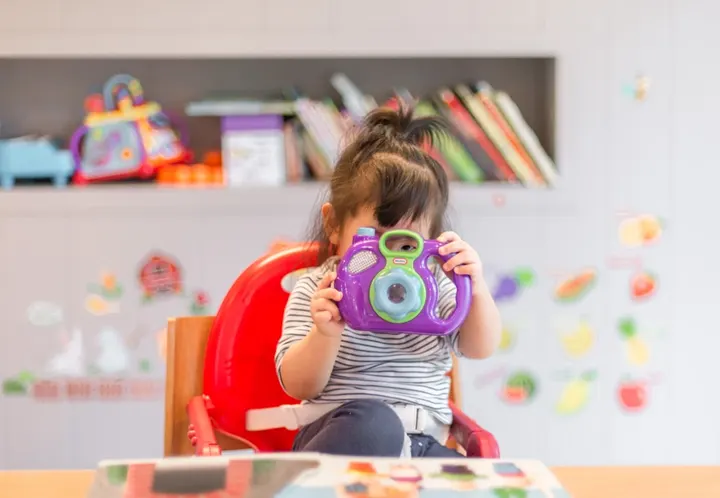
Every morning, the same scene: the alarm goes off, but for our little ones the real wake-up seems to come only through the screen. TV at breakfast has become a lifeline for many parents, a way to win a few minutes of peace or get the milk drunk without drama. But how guilty do we feel? And is it really good for our children? If you recognise this dilemma, you are not alone. Many parents look for a balance between managing the morning routine and giving their children a calm, stimulating start to the day, away from screen overstimulation.
✅ Manage morning TV without stress or guilt.
🛡️ Protect your children from inappropriate content and overstimulation.
📖 Turn the morning routine into a moment of growth and independence.
The Morning TV Dilemma: Between Need and Worry
Waking up is often a chaotic moment. Between making breakfast, getting dressed, and preparing for school, every parent knows how precious each minute is. Turning on cartoons while children eat can seem the simplest way to keep calm and speed things up. This practice, though common, raises legitimate concerns. Excessive or inappropriate screen exposure, especially in the morning, can have negative effects. Visual and audio overstimulation can saturate children's brains with dopamine, making the transition to offline activities harder and causing frustration or meltdowns when the screen goes off.
💡 Nami tip: Try observing your child's behaviour after switching off the morning TV. Their reaction can give you a clear sign of how screens affect their emotional regulation.
What the Research (and Parents' Experience) Says
Many experts agree that screens used without thought, especially in the early years, can be harmful: too many audio-visual inputs received too quickly through bright pixels can affect the developing brain. The American Academy of Pediatrics, for example, recommends limiting screen time for young children and avoiding exposure during meals. The most common problems include:
- Difficulty concentrating: Fragmented attention can affect learning.
- Lack of interaction: Breakfast becomes a solitary moment instead of a chance to chat and connect.
- Screen dependence: The child links waking up and breakfast to digital entertainment, making meltdowns harder to manage when the TV is not available.
- Inappropriate content: Even "children's" cartoons can sometimes show scenes or themes that are not age-appropriate.
This is not about demonising technology, but using it mindfully. TV is a tool, and how "harmful" it is depends on when, how much, and how it is managed. Learning to manage screen time without fights makes mornings calmer.
Beyond Blocking: The Nami Kids Educational Approach
Nami Kids is not just a parental control app; it is an educational companion that turns screen time into an opportunity for growth. At its heart is the Narrative Pedagogical Pause: after a period of play or watching, instead of an abrupt switch-off that triggers meltdowns, the app offers a structured pause with a 7 to 8 minute story starring Nami, exploring themes like space, the ocean, or emotions. This breaks the dopamine cycle, calms the child, and helps them wind down from fast visual stimulation, so they stop without a meltdown.
Nami Kids also helps structure the day with daily habit lists. You can create morning to-do lists like "brush teeth", "get dressed", "eat breakfast at the table", or "pack the school bag". Presented playfully, these routines encourage independence and reduce the need to use screens as a morning babysitter. As an alternative to the story, offline tasks (drawing, helping clear the table, walking the dog) encourage reconnection with the real world. And the app automatically detects risks and protects the child from inappropriate content, violence, and cyberbullying.
Tools like Samsung Kids, Google Family Link, and the built-in controls on Apple devices are a good, often free starting point for basic blocking and monitoring. Nami Kids adds the educational layer they do not have, guiding your child toward mindful use rather than only limiting access.
Frequently Asked Questions
Does Nami Kids block morning TV completely?
No. Nami Kids helps you manage screen time in a balanced way, introducing pedagogical pauses and offline activities, without blocking access entirely but teaching mindful use.
What age is Nami Kids recommended for?
Nami Kids is designed to support children across different age ranges, adapting the stories and tasks to their developmental needs. It is useful from a child's first experiences with screens.
Can Nami Kids help with meltdowns when the TV goes off?
Absolutely. The Narrative Pedagogical Pauses are designed to help the child wind down from stimulation and calm down, making switching off the screen a calm, meltdown-free transition.