How to Talk to Kids About Strangers: Ultimate Safety Guide
As parents, our hearts are perpetually tethered to our children's safety. From their first wobbly steps to their independent adventures, a fundamental worry often lingers: how do we protect them from the unknown? The thought of our child encountering someone with ill intentions is a fear that can keep us awake at night.
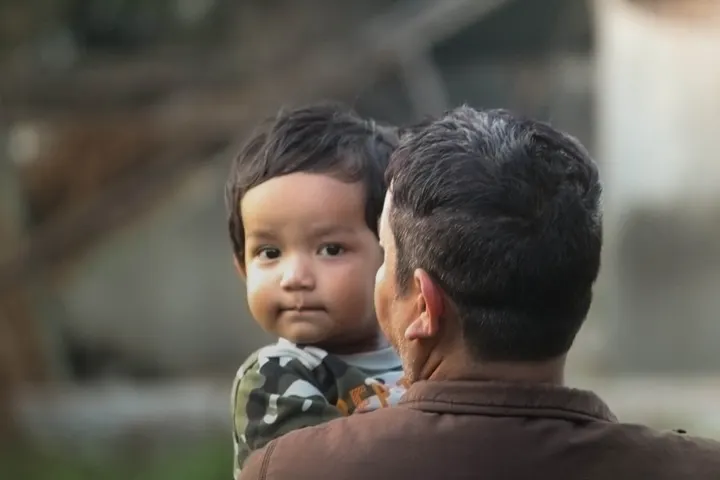
As parents, our hearts are perpetually tethered to our children's safety. From their first wobbly steps to their independent adventures, a fundamental worry often lingers: how do we protect them from the unknown? The thought of our child encountering someone with ill intentions is a fear that can keep us awake at night. This deep-seated concern often leads us to ponder how to talk to kids about strangers: ultimate safety guide – a conversation that feels both vital and incredibly delicate.
It's a challenging balance, isn't it? We want our children to be open, friendly, and trusting of the world around them, yet we also need them to be discerning and aware of potential dangers. The traditional 'stranger danger' message, while well-intentioned, can sometimes instill fear rather than empower. It can make children wary of everyone they don't know, even helpful strangers like police officers or store clerks, and paradoxically, make them less prepared for dangers from people they *do* know. Our goal isn't to create anxious children, but confident, capable ones who understand how to navigate their world safely.
This comprehensive guide aims to equip you with the tools and understanding to approach this sensitive topic with empathy, clarity, and effectiveness. We'll move beyond fear-based tactics to foster a sense of empowerment, teaching children to trust their instincts and recognize unsafe behaviors, regardless of who is exhibiting them. By understanding child development and employing age-appropriate strategies, we can help our children build a robust foundation of personal safety that serves them throughout their lives.
Why it happens
Children's natural inclination towards trust and their developing cognitive abilities play a significant role in how they perceive and interact with unfamiliar individuals. Young children, especially preschoolers, are still developing their 'theory of mind' – the ability to understand that others have different thoughts, feelings, and intentions than their own. This developmental stage means they often assume everyone is as kind and well-meaning as they are, making it difficult for them to identify ulterior motives.
Furthermore, children's brains are wired to seek connection and respond to positive reinforcement. A friendly smile, a kind word, or an offer of a treat can be incredibly compelling, especially if they are feeling vulnerable, bored, or simply curious. They may not yet possess the abstract reasoning skills to understand complex social cues or the potential consequences of certain interactions. The world, to a young child, is often a place of wonder and exploration, not one fraught with hidden dangers.
Research from organizations like the National Center for Missing and Exploited Children (NCMEC, 2023) highlights that children are often more vulnerable to individuals who appear friendly and non-threatening. Abductors rarely fit a stereotypical 'scary' image; instead, they often use deceptive tactics, appearing helpful or offering something desirable to lure a child. This underscores why teaching children to identify 'tricky behaviors' rather than 'scary strangers' is a more effective and realistic approach to safety education.
The consequences if left unaddressed
Failing to address stranger safety, or doing so in an ineffective, fear-based manner, can have several significant consequences for a child's well-being. On one hand, a lack of clear, actionable safety rules leaves a child vulnerable to exploitation and dangerous situations. Without the tools to recognize and respond to concerning behaviors, they may inadvertently place themselves in harm's way, unable to differentiate between a genuinely helpful adult and someone with harmful intentions.
Conversely, an overly fearful approach, often characterized by the traditional 'stranger danger' message, can lead to heightened anxiety and a pervasive distrust of others. Children might become withdrawn, hesitant to engage in normal social interactions, and develop an unhealthy fear of the outside world. This can impede their social-emotional development, making it difficult for them to form new friendships, seek help from appropriate adults, or explore their environment with confidence. Such an approach can inadvertently teach children to ignore their instincts if a 'stranger' appears friendly, or to fear all unknown adults, including those who could genuinely help them in an emergency.
In the long term, children who haven't learned nuanced safety skills may struggle with boundary setting, critical thinking in social situations, and trusting their own judgment. They might internalize the idea that the world is a dangerous place, leading to chronic anxiety or a reluctance to embrace new experiences. Our goal is to empower children with knowledge, not to paralyze them with fear, ensuring they grow into resilient individuals capable of navigating complex social landscapes safely.
What the science says
Modern child safety research has largely moved away from the blanket term "stranger danger" in favor of a more nuanced approach centered on "tricky people" or "unsafe behaviors." This shift is rooted in the understanding that most harm to children comes from individuals known to them, rather than complete strangers. According to the National Center for Missing and Exploited Children (NCMEC, 2023), the vast majority of child abductions are perpetrated by family members, and a significant percentage of child sexual abuse is committed by someone the child knows and trusts.
Pattie Fitzgerald, a renowned child safety educator and founder of Safely Ever After, has been a leading voice in advocating for the "tricky people" concept. She argues that teaching children to be wary of all strangers is not only ineffective but potentially harmful. It can make children distrust helpful adults (like police officers or firefighters) and fail to recognize danger from someone they know. Instead, Fitzgerald's approach, supported by developmental psychology, focuses on teaching children to identify specific behaviors that make them feel uncomfortable, scared, or confused, regardless of whether the person is a stranger or someone familiar.
A study published in the Journal of Child and Family Studies (2018) on child safety education programs found that curricula focusing on body safety, consent, and identifying 'tricky behaviors' were more effective in empowering children to report abuse and seek help, compared to programs solely focused on 'stranger danger.' This research underscores the importance of teaching children to trust their instincts and to understand that a 'tricky person' is anyone who asks them to break a safety rule, keep a secret that makes them uncomfortable, or asks for help in a way that feels wrong, regardless of their appearance or relationship to the child.
Practical step-by-step strategies
Empowering children with safety skills requires a multi-faceted, age-appropriate approach that focuses on building confidence and critical thinking rather than instilling fear. This guide provides actionable advice, ensuring your child develops a strong sense of personal safety. Here are practical, step-by-step strategies to help you teach your child about personal safety and how to talk to kids about strangers effectively, fostering resilience and awareness.
1. Embrace the 'Tricky People' Concept
Instead of 'stranger danger,' introduce the idea of 'tricky people.' Explain that a tricky person isn't necessarily someone they don't know, but anyone who tries to get them to break a family rule, keep a secret that makes them feel uncomfortable, or asks for help in a way that feels wrong. This approach helps children understand that danger isn't always obvious and can come from anyone, known or unknown. For instance, a tricky person might ask a child to help them find a lost puppy, offer candy, or say their parent sent them to pick up the child without prior arrangement. This is a crucial step in teaching tricky people the new way to talk to your child about stranger danger.
2. Teach the Five Safety Rules from Strangers (and Tricky People)
To provide a clear framework for safety, these five rules are simple, memorable, and actionable for children of various ages. They are designed to be easily understood and applied in different situations, empowering your child with practical responses. By consistently reinforcing these guidelines, you help build a strong foundation for their personal safety.
- Rule 1: Trust Your Gut. Teach your child to pay attention to their feelings. If a situation or a person makes them feel uncomfortable, scared, or confused, that's their body's way of telling them something isn't right. This is one of the most important five safety rules from strangers.
- Rule 2: No Go, Tell. If they feel unsafe, they should immediately say NO, GO away from the situation as fast as they can, and TELL a trusted adult what happened. Practice yelling 'NO!' and running to a safe place.
- Rule 3: Never Go Anywhere Without Permission. Emphasize that they should never leave with anyone, even someone they know, without explicit permission from you or another designated trusted adult. This applies even if the person claims you sent them.
- Rule 4: My Body, My Rules. Teach children that their body belongs to them, and they have the right to say no to any touch that makes them uncomfortable. No one has the right to touch their private parts, and they should immediately tell a trusted adult if this happens.
- Rule 5: Always Have a Safety Plan. Discuss what to do if they get lost (find a 'safe adult' like a cashier or a parent with children), who their trusted adults are (parents, grandparents, teachers, specific neighbors), and how to call for help (911/999).
3. Age-Appropriate Conversations and Role-Playing
The way you introduce these crucial safety concepts will vary significantly with your child's age and developmental stage. Tailoring your approach ensures the information is both understandable and impactful, preventing overwhelm or confusion. This section addresses how to teach stranger danger to a 2 year old, how to teach stranger danger to a 3 year old, and how to teach stranger danger to a 4 year old, and beyond, providing specific guidance for each stage.
- For 2-3 Year Olds: Keep it very simple and concrete. Focus on identifying trusted adults (Mommy, Daddy, Grandma, Teacher) and practicing saying 'No!' and running to you. Use simple phrases like 'We only go with people we know well.' Introduce the idea that their body is special and belongs to them. Use picture books to illustrate concepts.
- For 4-5 Year Olds (Preschoolers): This is a great age to introduce the 'tricky people' concept more directly. Use role-playing scenarios: 'What if someone you don't know offers you a toy?' or 'What if someone says I sent them to pick you up?' Practice the 'No Go, Tell' rule. Reinforce the concept of 'safe adults' in public places (e.g., a person behind a counter at a store). You can find excellent books about tricky people for kids that make these concepts accessible and less scary.
- For Elementary School-Aged Children (6-9 Years): Engage them in more complex 'what if' scenarios. Discuss online safety, emphasizing that people online might not be who they say they are. Talk about secrets – good secrets (like a surprise party) versus bad secrets (something that makes them feel uncomfortable or scared). Encourage them to always tell you if someone asks them to keep a bad secret. Regularly review the five safety rules from strangers and discuss real-life examples from news (age-appropriately) or stories.
4. Creating a Circle of Trust
Help your child identify a clear 'Circle of Trust' – a small group of adults they can always go to for help. This includes parents, grandparents, trusted teachers, and close family friends. Make sure your child knows how to contact these individuals and that they are always available to listen without judgment. This reinforces the idea that there are always safe people to turn to.
5. Specific Considerations for Autistic Children
Teaching how to teach stranger danger to autistic child requires a tailored approach, often benefiting from visual aids, social stories, and concrete rules. Autistic children may struggle with abstract concepts, social cues, and understanding non-literal language, making the 'tricky people' concept particularly helpful if explained clearly.
- Visual Social Stories: Visual social stories are incredibly effective for autistic children, providing a concrete way to understand abstract concepts. Create simple, illustrated narratives depicting scenarios with 'tricky people' and appropriate responses. For example, a story might show: 'A person I don't know offers me candy. My body feels funny. I say NO and run to my mom,' clearly outlining the expected action and feeling.
- Concrete Rules: Focus on very specific, unambiguous rules. Instead of 'trust your gut,' say 'If someone you don't know asks you to go with them, say NO and run to a grown-up you know.'
- Role-Playing: Practice specific actions repeatedly, such as yelling 'NO!' and running, or finding a safe adult in a store. Use clear, direct language during role-play.
- Identify Safe Adults: Clearly label and point out 'safe adults' in different environments (e.g., 'The person wearing a uniform at the police station is a safe adult. The person behind the counter at the grocery store is a safe adult.').
- Sensory Considerations: Always be mindful of sensory sensitivities during discussions or role-play, ensuring the environment is calm and comfortable for your child. Overstimulation can hinder learning and increase anxiety, so choose quiet times and spaces. This thoughtful approach helps your child engage more effectively with the safety lessons.
For more detailed guidance on fostering your child's safety and well-being, explore the Nami Kids learning hub, which offers a wealth of resources on various parenting topics.
6. Practice and Reinforce Regularly
Safety conversations shouldn't be a one-time lecture. Integrate discussions about personal safety into everyday life. Point out safe behaviors you observe, or discuss scenarios from books or TV shows. Regular, calm conversations help normalize the topic and make children more comfortable discussing any concerns they might have. Consistency is key to building strong safety habits for stranger safety for kids.
You can also use everyday opportunities to reinforce these lessons. For example, when at the park, point out the designated meeting spot if you get separated. When walking in a crowded area, remind your child to stay close and hold your hand. These small, consistent reminders build a strong foundation of awareness without creating undue fear. For additional tools and resources to support your child's development and safety, consider visiting Nami Kids.
When to seek a professional
While it's normal for children to have questions or even some apprehension about safety, certain signs might indicate a need for professional guidance. If your child exhibits persistent or extreme anxiety related to strangers or safety, such as refusing to leave the house, experiencing nightmares, or showing excessive fear in everyday situations, it may be beneficial to seek support. These reactions could be a sign that they are internalizing fear in an unhealthy way, or perhaps they have had an experience that has deeply unsettled them.
Additionally, if your child reports a concerning encounter with an adult, whether known or unknown, and you are unsure how to process it or support them, a professional can provide invaluable assistance. A child psychologist, school counselor, or a therapist specializing in child trauma can help your child process their feelings, develop coping mechanisms, and reinforce safety strategies in a supportive environment. They can also offer guidance to parents on how to best respond and ensure your child feels heard and safe. Trust your parental instincts; if something feels off or beyond your ability to manage, reaching out for expert help is a sign of strength and care.
Related articles
- Child Hits Others? 7 Strategies to Stop Aggression
- Why Won't My Child Sleep? Answers for Tired Parents
- Handle Defiant Child: 5 Calming Strategies for Parents
Frequently asked questions
What is the 7-7-7 rule for kids?
The 7-7-7 rule is a simple yet powerful technique designed to foster consistent, undivided connection between parents and children. At its core, it encourages parents to dedicate 7 minutes in the morning, 7 minutes after school or work, and 7 minutes before bed to focused, one-on-one interaction with their child. During these brief but intentional periods, the goal is to fully engage with your child without distractions like phones, chores, or other tasks. This dedicated time can involve talking about their day, playing a quick game, reading a story, or simply listening to their thoughts and feelings. The purpose is to strengthen the parent-child bond, improve communication, and ensure your child feels seen, heard, and valued, creating a foundation of trust that is essential for discussing sensitive topics like safety.
How to teach kids about stranger safety?
Teaching kids about stranger safety effectively involves empowering them with actionable strategies and fostering their instincts, rather than instilling fear. The most recommended approach is to move beyond 'stranger danger' to the concept of 'tricky people,' teaching children to identify unsafe behaviors regardless of who is exhibiting them. Encourage your child to trust their gut feelings – if something feels wrong, it probably is. The National Center for Missing and Exploited Children (NCMEC) recommends a "no-go-tell" approach: 1) say NO firmly if someone makes you scared or uncomfortable, 2) GO away from the situation as quickly as possible, and 3) TELL a trusted adult immediately what happened. Role-playing scenarios, establishing a clear 'Circle of Trust' of safe adults, and teaching simple rules like 'never go anywhere without permission' are also crucial components. Regular, calm conversations, tailored to your child's age and developmental stage, are key to building confidence and safety awareness.
What is the 3-3-3 rule for children?
The 3-3-3 rule is a simple grounding technique often used to help individuals, including children, manage moments of high anxiety or overwhelm. It's a mindfulness exercise designed to redirect focus from anxious thoughts to the present moment. The rule consists of three steps: 1) LOOK around and name three objects you can see, 2) LISTEN for three sounds you can hear, and 3) MOVE three parts of your body (e.g., wiggle your fingers, tap your foot, nod your head). By engaging multiple senses and performing a small physical action, the 3-3-3 rule helps to interrupt the anxiety cycle, bring the child back to their immediate environment, and regain a sense of calm and control. This can be a valuable tool for children who might feel anxious after discussing safety topics or in unfamiliar situations.
When to start talking to kids about stranger danger?
Conversations about stranger safety, or more accurately, 'tricky people' and personal safety, should begin at an early age, typically around when children start preschool, or even earlier with very basic concepts. While the likelihood of a stranger with unsavory intentions approaching a child is statistically low, it's vital that children are prepared for the unpredictability of life and empowered with safety skills. For 2-3 year olds, this might involve simply teaching them their name and address, identifying trusted adults, and practicing saying 'no' to unwanted touch. As they grow (3-5 years), you can introduce the 'tricky people' concept through stories and simple role-playing. The key is to start early with age-appropriate information, keeping the tone calm and reassuring, and gradually building upon their understanding as they mature. These discussions should be ongoing, not a one-time event, evolving with your child's cognitive and social development.
What are the key differences between 'stranger danger' and 'tricky people'?
The key difference lies in their focus and effectiveness. 'Stranger danger' teaches children to fear all unknown individuals, often based on appearance, and implies that danger only comes from people they don't know. This approach can be counterproductive because most harm to children comes from people they know, and it can make children wary of helpful strangers (like police officers). 'Tricky people,' on the other hand, teaches children to identify specific unsafe behaviors, regardless of whether the person is a stranger or someone familiar. It focuses on actions that make a child feel uncomfortable, confused, or that break family rules (e.g., asking for a secret, asking for help in a strange way, asking a child to go somewhere without permission). This empowers children to trust their instincts and recognize potential threats from anyone, promoting confidence and critical thinking over fear.
How can I make these conversations less scary for my child?
Making these conversations less scary involves several strategies. Firstly, adopt the 'tricky people' approach, focusing on behaviors rather than labeling people as 'bad.' Use calm, reassuring language and avoid dramatic or fear-inducing tones. Frame safety as a way to stay strong and smart, not as a response to constant threats. Incorporate role-playing games and social stories, which allow children to practice responses in a safe, playful environment. Read age-appropriate books about personal safety and 'tricky people' that normalize the discussion. Emphasize that you are always there to protect them and that they can always come to you with any concerns, no matter how small. Regular, brief discussions are more effective than infrequent, intense lectures, helping to integrate safety knowledge naturally into their understanding of the world.
Navigating the complexities of child safety in today's world can feel overwhelming, but remember, you are not alone in this journey. By embracing an empathetic, empowering approach to teaching your children about personal safety and how to talk to kids about strangers, you are equipping them with invaluable life skills. These conversations, though sometimes difficult, lay the groundwork for a child who is not only safe but also confident, resilient, and capable of trusting their own instincts. Continue to foster open communication, reinforce these lessons with love and patience, and trust in your ability to guide your child towards a secure and joyful future.
Foto di Moon Bhuyan su Unsplash.