Child Hits Others? 7 Strategies to Stop Aggression
Your child is hitting, biting, or pushing and you don't know how to respond? Discover 7 empathetic, effective strategies to manage childhood aggression and restore calm at home.
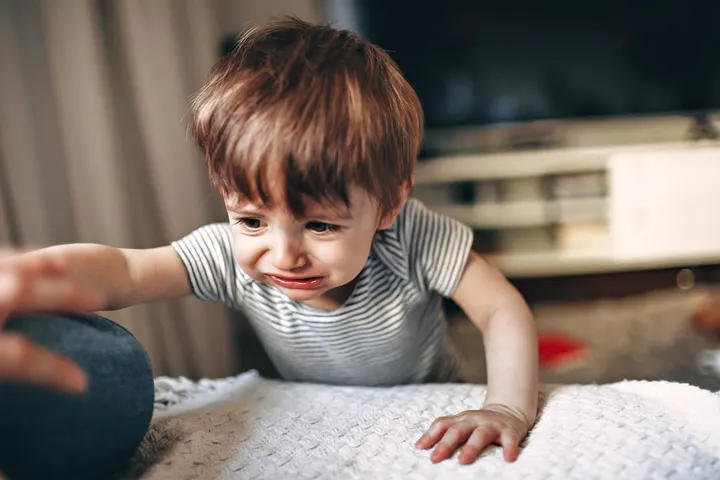
Child Hits Others? 7 Strategies to Stop Aggression and Restore Family Peace
Watching your child hit, bite, or push can be one of the most frightening and frustrating experiences as a parent. You feel powerless, sometimes guilty, and you wonder: "What am I doing wrong?" It is a behavior that generates anxiety, chaos, and puts enormous strain on family harmony. But you are not alone, and more importantly, there is a path forward.
Childhood aggression, while concerning, is often a signal. It is a way your child communicates distress or a need they cannot yet express with words. In this guide, we will walk through the most common causes of hitting behavior and give you 7 practical, empathetic strategies to help your child manage emotions and stop hitting, so your family can find balance and peace again.
Key Perspectives:
Aggression is often a cry for help, not malice.
Stay calm and offer firm but loving limits.
The right tools and environment prevent most incidents before they start.
Why Do Children Hit? Understanding the Roots of Childhood Aggression
Aggression in children, especially between ages 1 and 5, is never random. It is a language, often the only one they have to express intense emotional states. Their prefrontal cortex, the brain region responsible for emotional regulation and impulse control, is still developing. This means it is genuinely difficult for them to filter or manage strong emotions.
The causes can be multiple and complex:
- Frustration and inability to communicate: Without fully developed verbal skills, a child may resort to physical gestures to express anger, disappointment, or an unmet desire.
- Overstimulation or exhaustion: An environment that is too noisy, too many visual stimuli (especially from excessive screen use), or simple tiredness can lead to emotional overload that erupts as aggression.
- Attention seeking: Sometimes hitting is a misguided attempt to get a parent's or caregiver's attention.
- Jealousy or sibling rivalry: The arrival of a new sibling or the perception of losing their special place can trigger strong jealousy that manifests physically.
- Exploration and cause-and-effect: Younger children may hit to understand "what happens if I do this?," exploring limits and reactions.
Remember: when a child hits, they are not a bad child. They are a small human struggling with emotions bigger than they can handle and they need your help to find balance.
Observe carefully when and where aggressive behaviors occur. Are there patterns? Certain times of day, places, or specific situations? This observation gives you valuable clues about the triggering causes and helps you intervene proactively.
Aggression vs. Violence: A Critical Distinction
It is important to make a clear distinction between aggression and violence. In young children, aggression is often impulsive and lacks conscious intent to cause harm. There is no malice or desire to hurt. True violence, which presupposes intentionality and premeditation, is extremely rare before age 7 and requires deeper analysis by specialists. Understanding this distinction helps parents respond with empathy rather than alarm.
7 Effective Strategies to Manage Aggressive Behavior
Here is a concrete action plan to address and overcome your child's aggression, transforming crisis moments into growth opportunities for the whole family.
1. Stay Calm and Be Their Safe Harbor
Your reaction sets the tone for everything that follows. If you respond with anger or yelling, your child will feel even more frightened and confused. Take a deep breath, get down to their level, and speak with a calm, firm voice. Being their safe harbor helps them calm down faster and teaches them that strong emotions do not have to lead to chaos.
2. Set a Clear, Firm, but Loving Limit
Intervene immediately to stop the aggressive behavior. A clear, decisive "no," accompanied by a physical gesture like gently blocking their hands, is essential. Long explanations are not needed in that moment. The message must be simple: "I will not let you hit. Hitting hurts." This is not punishment. It is protection and guidance.
3. Help Them Name and Process Emotions
After stopping the behavior and restoring calm, help your child identify the emotion that triggered the action. "I can see you are really angry." "It seems like you are frustrated." Naming the emotion is the first step toward learning to manage it. Then offer verbal alternatives: "When you are angry, you can use your words" or "You can come tell me." The kids section has more age-appropriate emotional vocabulary resources.
4. Offer Positive, Creative Alternatives
Teach your child acceptable ways to release energy or anger. This can include:
- Sensory activities: Play dough, kinetic sand, and clay help channel energy constructively and provide a satisfying physical outlet.
- Controlled physical play: A pillow fight or safe wrestling game where no one gets hurt can be an excellent release valve.
- Drawing or painting: Art is a powerful tool for expressing emotions that are too big for words.
5. Reinforce Positive Behaviors
Pay attention to and praise your child every time they show prosocial behavior: when they play gently, share, use words to express themselves, or show empathy. "Great job asking for the toy instead of grabbing it!" "I love how you helped your little brother." Positive reinforcement is consistently more effective than punishment for lasting behavioral change.
6. Encourage Connection and Cooperation (Especially Between Siblings)
If aggression is directed at a sibling, create opportunities to strengthen their bond. Encourage cooperative games, activities that make them laugh together, and assign the older sibling small helping tasks for the younger one. Reduce rivalry by avoiding comparisons and ensuring each child gets their own exclusive time with you.
7. Prevention Through Routines and Anticipation
Many aggressive behaviors can be prevented by establishing clear, predictable routines. Children feel more secure and less frustrated when they know what to expect. Identify the highest-risk times of day (pre-dinner fatigue, transitions between activities) and prepare your child in advance.
In our increasingly connected world, digital balance also plays a crucial role in children's emotional wellbeing. Screen overstimulation can contribute to frustration and difficulty with emotional regulation, making aggressive outbursts more likely.
Nami Kids: Your Ally for Calmer Parenting and Balanced Children
Nami Kids is designed to support parents in exactly this area, offering a protected digital environment and tools for balanced screen time management that frees time and energy for positive family interactions and offline activities.
- Complete Protection: Nami Kids automatically detects and blocks inappropriate content and online dangers, creating a safe wall around your child's digital experience.
- The Pedagogical Narrative Pause: Breaks the overstimulation cycle with engaging stories featuring the character Nami. These narrative pauses (7-8 minutes) on themes like space, oceans, and emotions calm the child and help them return to a peaceful state without tantrums.
- Offline Missions and Routines: Encourages reconnection with the physical world and independence through daily habit lists and real-world activities like drawing or making the bed, freeing valuable time for positive family interactions and reducing conflict triggers.
Discover how Nami Kids can transform screen time into a growth opportunity for the whole family, helping you better manage routines and prevent crisis moments. Take the digital balance test to get started.
When to Seek Professional Help
If aggressive behaviors are very frequent, intense, persist beyond age 5-6, cause significant harm to self or others, or are associated with social withdrawal and school difficulties, it is advisable to consult a pediatrician or child development specialist. Early intervention can make a significant difference. Visit the parents resource section for guidance on finding the right support.
Related articles
- Why Are My Child's Grades Low? Real Answers & Support
- How to Build Resilience in Kids: 5 Proven Strategies
- My Child Is Shy: 7 Proven Tips to Make Friends Easily
Frequently Asked Questions
My child only hits me or their other parent. What does that mean?
Children often feel safest expressing their most intense emotions, including anger, with their closest and most loving caregivers. It may be a way to test limits or to ask for more attention and reassurance. Stay calm, set the limit clearly, and try to understand what underlying need they are expressing.
Is aggression normal at certain ages?
Yes, to a certain extent, aggression is a normal developmental phase, especially between ages 1 and 3-4, when children are learning to manage their emotions and communicate. What matters most is how adults respond and guide them through this process, helping them find more appropriate ways to express themselves.
How should I talk to my child's school about their aggression?
Establish open collaboration with teachers and educators. Share your observations about behavior at home and ask for their feedback about school. Together, you can agree on consistent strategies and a shared action plan to support your child across all settings. Consistency between home and school dramatically improves outcomes.
Photo by Helena Lopes on Unsplash.