Improve Child Focus: 7 Tips for Parents
Discover effective strategies and practical tips to help your child develop better concentration and focus, reducing academic struggles and improving family dynamics. Learn how Nami Kids can support this journey.
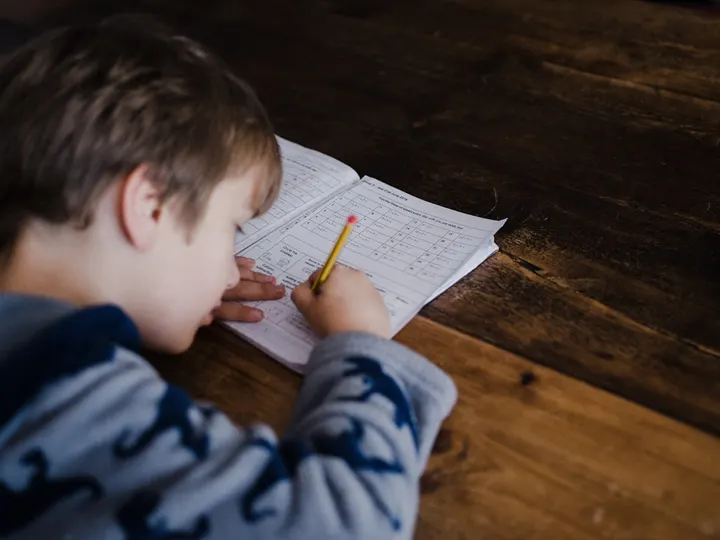
As parents, we often find ourselves navigating the bustling, sometimes chaotic, world of raising children. One of the most common challenges we encounter is helping our children develop and maintain focus. Whether it's during homework, playtime, or even a simple conversation, a child's ability to concentrate can feel like a constantly shifting target. If you've ever thought, "My child is smart but can't focus," you're not alone. The journey to improve child focus is a shared experience for many families, filled with moments of both triumph and perplexity.
It's natural to worry when your child seems to drift off or struggles to complete tasks. You might wonder, "How can I improve my child's concentration in studies?" or "What are the best strategies for focus training for kids?" These questions reflect a deep desire to support our children's learning and well-being. This article will explore seven proven tips for parents, offering compassionate guidance and actionable strategies to cultivate better focus in your child, from helping your 7-year-old focus in school to understanding how to improve concentration in a 10-year-old girl.
We understand that every child is unique, and what works for one may not work for another. Our aim is to provide a comprehensive and empathetic approach, acknowledging the complexities of childhood development and the ever-present influence of the modern world. We'll delve into the underlying reasons why children struggle with focus, discuss the impacts of these challenges, and present practical solutions, including how Nami Kids can be a valuable partner in this endeavor.
The Root of the Matter: Why Children Struggle with Focus
Understanding why children struggle with focus is the first step toward finding effective solutions. It's rarely a sign of defiance or lack of intelligence; rather, it often stems from developmental stages, environmental factors, or even subtle physiological needs. For instance, the prefrontal cortex, the part of the brain responsible for executive functions like attention and impulse control, is still developing throughout childhood and adolescence. This means that a 7-year-old's brain is simply not wired for sustained focus in the same way an adult's is.
One significant factor in today's world is the sheer volume of stimuli children encounter. From vibrant digital content to packed schedules, their brains are constantly processing information. "Overstimulation can overwhelm a child's developing nervous system, making it difficult to filter out irrelevant information and zero in on what's important," notes Dr. Sarah Johnson, a developmental psychologist. This can manifest as difficulty in school, at home, and in social interactions.
Another common culprit is a lack of sufficient sleep. Children, especially those in their primary school years, require a substantial amount of sleep for optimal cognitive function. A study published in 'Pediatrics' highlighted that even a small reduction in sleep can significantly impact a child's attention span and executive function. Furthermore, nutritional deficiencies, particularly in essential fatty acids like Omega-3, can play a role in cognitive development and the ability to concentrate. This is why some parents explore vitamins to help kids focus, though it's always best to consult with a healthcare professional.
Environmental distractions, such as a cluttered study space or constant background noise, also significantly hinder a child's ability to focus. The digital age, with its constant pings and notifications, presents a unique challenge, making it harder for children to engage deeply with a single task without interruption.
The Ripple Effect: Consequences of Poor Child Focus
A child's inability to maintain focus can lead to a cascade of consequences, impacting various aspects of their life. These challenges can be frustrating for both the child and the parents, often leading to misunderstandings and increased stress within the family dynamic.
Academic Struggles and Learning Gaps
One of the most immediate and noticeable consequences of poor focus is its impact on academic performance. A child who struggles to pay attention in class or during homework sessions may miss crucial instructions, misunderstand concepts, and fall behind their peers. This can lead to lower grades, a diminished sense of academic competence, and a growing dislike for school. "How to help my 7-year-old focus in school" becomes a pressing concern when homework turns into a daily battle, and teachers report difficulties in the classroom. This isn't about a child's intelligence but their capacity to engage with the learning material effectively.
Emotional and Behavioral Challenges
Children who consistently struggle with focus can experience a range of emotional difficulties. They might feel frustrated, anxious, or embarrassed by their inability to keep up. This can manifest as low self-esteem, withdrawal from social activities, or, conversely, disruptive behaviors in an attempt to deflect attention from their difficulties. These behaviors can be misinterpreted as defiance, when in reality, they are often a cry for help or a coping mechanism for underlying struggles. Understanding what are some common behavior issues in 7-year-olds often reveals a link to their ability to manage attention and impulses.
Strained Family Dynamics
The daily grind of managing a child with poor focus can take a toll on family relationships. Parents might feel exhausted from constantly prompting, reminding, and supervising. Children, in turn, may feel nagged or misunderstood. This can lead to increased tension, arguments, and a decrease in positive interactions. The joy of learning and shared family activities can be overshadowed by struggles over tasks requiring concentration. The narrative around a child being "smart but can't focus" often carries an unspoken weight of parental concern and effort.
Practical Strategies for Parents: Empowering Your Child's Focus
While the challenges of improving child focus can feel overwhelming, there are many practical and empathetic strategies parents can implement to support their children. These tips aim to create a conducive environment, foster healthy habits, and equip children with the tools they need to concentrate better.
1. Establish Predictable Routines
Children thrive on predictability. A consistent daily routine provides a sense of security and helps children anticipate what comes next, reducing anxiety and freeing up cognitive energy for focus. This includes set times for waking up, meals, homework, playtime, and bedtime. For example, knowing that homework time always follows a snack and a short break can help a child transition more smoothly into academic tasks. This is particularly helpful for how to improve concentration in 9-year-olds and 10-year-old girls, as their schedules often become more complex with school and extracurriculars.
2. Create a Focus-Friendly Environment
The physical space where a child learns and plays significantly impacts their ability to focus. Minimize distractions by designating a quiet, organized study area free from clutter and excessive noise. During homework or reading time, put away electronic devices – both the child's and your own – to model focused behavior. Consider using noise-canceling headphones if household sounds are unavoidable. A clear, calm space can make a world of difference in helping kids concentrate on studies.
3. Break Down Tasks into Smaller Steps
Large or complex tasks can be daunting and quickly lead to a loss of focus. Teach your child to break down bigger assignments into smaller, more manageable steps. For example, instead of "Do your math homework," try "First, let's do the first five problems, then we'll take a quick stretch break." Celebrating the completion of each small step provides a sense of accomplishment and maintains motivation. This strategy is excellent for focus training for kids, gradually building their capacity for sustained attention.
4. Incorporate Movement and Brain Breaks
Children, especially younger ones, have an innate need to move. Expecting them to sit still for extended periods is unrealistic and counterproductive. Integrate short, active breaks into study sessions. A quick walk, some jumping jacks, or a few minutes of imaginative play can help reset their attention. These 'brain breaks' oxygenate the brain and release pent-up energy, making it easier to return to tasks with renewed focus. This is a key tip for how to improve 7-year-old focus.
5. Practice Mindfulness and Deep Breathing
Simple mindfulness exercises can significantly improve a child's ability to pay attention. Teach your child deep breathing techniques, focusing on the sensation of their breath. Even a few minutes of quiet reflection or a guided meditation designed for children can help them regulate their emotions, reduce distractions, and bring their attention back to the present moment. These practices are powerful tools for developing internal focus and self-regulation.
6. Prioritize Quality Sleep and Nutrition
A well-rested and well-nourished child is better equipped to focus. Ensure your child gets an adequate amount of sleep for their age group – typically 9-12 hours for school-aged children. Establish a consistent bedtime routine that signals to their body it's time to wind down. Regarding nutrition, emphasize a balanced diet rich in whole foods, fruits, vegetables, and lean proteins. Limit sugary snacks and processed foods, which can lead to energy crashes and difficulty concentrating. Discuss with a healthcare provider if you are considering supplements like Omega-3 or other vitamins to help kids focus.
7. Foster Engagement Through Interest-Based Learning
When children are genuinely interested in a topic, their focus naturally improves. Whenever possible, connect learning to your child's passions. If they love dinosaurs, find books or documentaries about them. If they enjoy building, incorporate construction into their math lessons. Making learning relevant and enjoyable can transform a reluctant learner into an engaged participant. Encourage curiosity and provide opportunities for open-ended play, which allows children to direct their own attention and develop intrinsic motivation.
Nami Kids: Empowering Focus in the Digital Age
In a world increasingly shaped by digital experiences, helping children develop healthy technology habits is paramount to fostering focus. Nami Kids offers a thoughtful and effective approach to managing screen time, turning potential distractions into opportunities for growth and concentration. Our platform isn't just about limiting access; it's about teaching responsible engagement and empowering children to develop better self-regulation. Learn more about how Nami Kids works at namikids.app/come-funziona.
Narrative Pedagogical Pause: Turning Screen Time into Learning Moments
One of Nami Kids' standout features is the Narrative Pedagogical Pause. This innovative tool addresses the common issue of 'tablet meltdowns' and digital addiction by integrating educational breaks into screen time. Instead of abruptly cutting off access, Nami Kids introduces short, engaging narratives or questions related to the content the child is consuming. These pauses encourage critical thinking, reflection, and active engagement, transforming passive viewing into an interactive learning experience. By gently interrupting continuous screen use, it helps children practice shifting their focus and engaging their cognitive abilities in a different way, directly addressing challenges like 'my child is smart but can't focus' when it comes to digital content. It's a compassionate way to manage digital habits without feeling like a punishment, fostering a healthier relationship with screens.
Autonomy Routines: Building Self-Regulation
Nami Kids’ Autonomy Routines empower children to take ownership of their screen time. Parents can set up personalized schedules that allow children to earn screen time by completing beneficial activities like reading, chores, or physical play. This system teaches valuable lessons in time management, responsibility, and the concept of delayed gratification – all crucial components of improved focus. By understanding that certain tasks need to be completed before accessing their devices, children learn to prioritize and concentrate on non-screen activities first. This feature helps parents wondering how to help their 8-year-old focus in school by extending these principles beyond the screen, encouraging a structured approach to their daily responsibilities.
Category Limits: Tailoring Digital Environments for Focus
With Nami Kids' Category Limits, parents can customize the digital environment to support their child's developmental needs and focus goals. This feature allows you to set specific time limits for different categories of apps and websites – for example, allowing more time for educational games and less for purely entertainment content. By curating a digital space that aligns with learning objectives, Nami Kids helps children concentrate on enriching content while reducing exposure to highly stimulating, yet less productive, applications. This nuanced control helps to improve kids' concentration in studies by directing their digital engagement towards more beneficial activities.
Nami Parents Dashboard: Insights for Informed Decisions
The Nami Parents Dashboard provides valuable insights into your child's digital activity, offering a clear overview of their screen time habits and how they're engaging with different apps and websites. This data empowers parents to make informed decisions and adjust Autonomy Routines and Category Limits as needed. Understanding patterns of use can help identify areas where a child might be struggling with focus and allow for targeted interventions. It’s a powerful tool for monitoring progress and adapting strategies to best support your child's developing concentration skills.
Key Takeaways:
- 🧠 Focus is a skill: It can be nurtured through consistent routines and mindful practices, not just expected.
- 🏡 Environment matters: A calm, organized space and breaks from digital overload are crucial for concentration.
- 🤝 Nami Kids empowers: Our features teach self-regulation and positive screen habits, turning challenges into growth opportunities.
Related articles
- 5 Mistakes Parents Make When a Child Refuses School
- How to Handle Sibling Rivalry: 7 Proven Strategies
- How to Deal With Child Lying: 5 Proven Strategies
Frequently asked questions
How to improve 7-year-old focus?
Improving a 7-year-old's focus involves several strategies tailored to their developmental stage. Firstly, keep tasks short and engaging, as their attention spans are naturally limited. Incorporate plenty of movement breaks; a 7-year-old learns best when they can move their body. Establish consistent routines for homework and playtime, and create a designated, distraction-free area for tasks requiring concentration. Positive reinforcement and praise for efforts, not just outcomes, can also motivate them. Nami Kids' Narrative Pedagogical Pause can gently re-engage their attention during digital activities, helping them practice focus in a fun way.
What are the 7 ways to discipline a child?
When it comes to discipline, the goal is to teach, not to punish. Effective discipline focuses on guiding children towards better behavior and understanding consequences. While Nami Kids focuses on digital well-being, the principles align with broader positive parenting approaches. Seven effective ways to guide a child's behavior include: 1. Setting clear and consistent expectations; 2. Using positive reinforcement to encourage desired behaviors; 3. Implementing logical consequences that relate to the misbehavior; 4. Teaching problem-solving skills; 5. Practicing active listening and empathy; 6. Providing choices to foster a sense of control; 7. Modeling appropriate behavior yourself. It's about teaching self-control and respect, rather than simply enforcing rules.
What is the 3-3-3 rule for children?
The '3-3-3 rule' for children is a concept often discussed in various contexts, but it doesn't have one universally recognized definition across all parenting or educational circles. In some discussions, it refers to managing digital content, suggesting that children should only encounter three new things, in three different ways, for three minutes at a time to optimize learning and attention. In other contexts, it might refer to a structure for routine or task management, or even a safety guideline. When discussing focus, a similar principle could be applied: breaking down activities into manageable 3-minute chunks, interspersed with short 3-minute breaks, repeated perhaps 3 times. This helps to match the activity duration to a child's natural attention span and prevent overwhelm. Always adapt such rules to your child's individual needs and developmental stage.
What are some common behavior issues in 7-year-olds?
Seven-year-olds are in a dynamic phase of development, balancing growing independence with continued reliance on adults. Common behavior issues often stem from their developing social-emotional skills and cognitive abilities. These can include difficulty following instructions, especially if tasks are lengthy or uninteresting; occasional temper outbursts or meltdowns, particularly when tired or overwhelmed; struggles with sharing and taking turns; resistance to chores or homework; and what might appear as defiance, which can often be a test of boundaries or an expression of frustration with their developing executive functions, such as impulse control and attention. Issues with focus, as discussed, are also very common and can underpin many behavioral challenges. Addressing these behaviors with empathy, clear communication, and consistent boundaries is key.
How can I help my 10-year-old girl focus better in school?
For a 10-year-old girl, improving focus involves a blend of structural support and fostering intrinsic motivation. Ensure she has a quiet, dedicated study space free from digital distractions during homework time. Encourage her to break down large assignments into smaller steps, celebrating each accomplishment. Discuss her interests and try to connect schoolwork to topics she finds engaging. Quality sleep and a balanced diet are crucial. Additionally, mindfulness exercises can help her manage distractions and emotional regulation. Nami Kids can support by offering structured screen time that teaches self-regulation, ensuring digital activities contribute positively to her overall focus.
Empowering your child to improve their focus is a continuous journey, one that requires patience, understanding, and the right tools. By implementing these proven strategies and integrating the supportive features of Nami Kids, you can help your child develop essential concentration skills for a lifetime of learning and success. Start your journey towards a more focused and harmonious family life today. Discover how Nami Kids can support your family and try it free for two weeks at namikids.app. After your trial, continue for just $5.99/month or $50/year to unlock a world of focused growth for your child.
Foto di Annie Spratt su Unsplash.