How to Handle Sibling Rivalry: 7 Proven Strategies
Sibling rivalry is a natural part of childhood development. Discover 7 proven strategies to foster understanding and harmony, transforming conflict into growth.
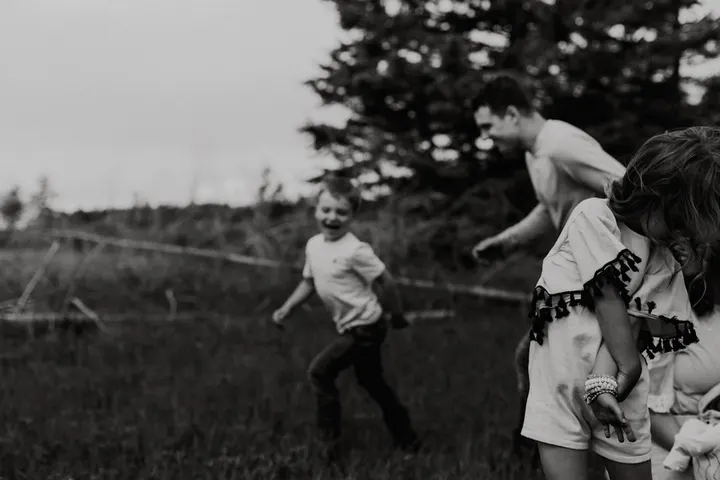
The sound of children's laughter is often one of the sweetest melodies a parent can hear. However, for many families, that joyful sound can quickly devolve into squabbles, shouts, and tears, especially when siblings are involved. If you've found yourself exasperated by endless arguments over toys, attention, or who gets the last biscuit, you are certainly not alone. Sibling rivalry is a universal experience, touching almost every household with more than one child, and knowing how to handle sibling rivalry effectively can feel like an unending quest.
It’s natural to feel a pang of worry when you witness your children constantly at odds. You might question if you’re doing something wrong, or if these conflicts will leave lasting scars on their relationship. These feelings are completely valid. Understanding that sibling rivalry is a normal part of family dynamics is the first step towards managing it with patience and insight, transforming potential friction into opportunities for growth and deeper connection.
Our role as parents isn't to eliminate all disagreements – that would be an unrealistic expectation. Instead, it's about equipping our children with the tools to navigate conflict constructively, fostering a home environment where individuality is celebrated, and shared experiences build strong, supportive bonds. This article will explore proven strategies to help you guide your children through the challenges of sibling rivalry, promoting understanding and harmony within your family.
Why it happens
Sibling rivalry, while often frustrating, is a natural and even necessary part of childhood development. It arises from a complex interplay of factors, including individual personalities, developmental stages, and family dynamics. Young children, especially, are still developing their sense of self and often view their world in very concrete terms, making concepts like sharing attention or possessions particularly challenging.
From a psychological perspective, children are often competing for parental attention, love, and resources. When a new sibling arrives, an older child may feel displaced or worry about a perceived reduction in their parents' affection. This can manifest as jealousy, competition, or even regression in behavior. The World Health Organization (WHO, 2012) emphasizes the importance of a supportive family environment for child development, noting that perceived inequalities in parental attention can exacerbate feelings of rivalry.
Developmental psychologist Dr. Adele Faber and Elaine Mazlish (1987) highlight that children are not just competing for attention; they are also striving for individuality and their place within the family structure. As they grow, siblings use these interactions to test boundaries, learn negotiation skills, and understand social hierarchies. Therefore, much of sibling rivalry is a child's natural way of figuring out their identity and how they relate to others, both within and outside the family.
The consequences if left unaddressed
While some level of sibling conflict is healthy, allowing intense or chronic rivalry to persist without intervention can have significant short- and long-term impacts on children. In the immediate term, constant bickering and fighting can create a tense home atmosphere, increasing stress for all family members, including parents. Children involved in unresolved conflicts may experience heightened anxiety, anger, and feelings of resentment towards their siblings.
Left unaddressed, unhealthy sibling dynamics can also impede a child's social-emotional development. They might struggle with empathy, problem-solving, and conflict resolution skills, which are crucial for forming healthy relationships later in life. A child who consistently feels unfairly treated or overshadowed may develop low self-esteem or struggle with feelings of inadequacy, impacting their confidence in school and other social settings.
In the long run, severe or toxic sibling rivalry can lead to lasting emotional scars and strained adult relationships. Research suggests that early sibling relationships can shape a person's ability to form intimate bonds and navigate interpersonal challenges throughout their life (Whiteman et al., 2011). A history of intense unresolved conflict can foster deep-seated resentment that makes it difficult for siblings to maintain a supportive relationship well into adulthood, missing out on one of life's most enduring connections.
What the science says
Research consistently shows that sibling relationships are among the most enduring and influential relationships in a person's life, second only to the parent-child bond. A study by Whiteman, McHale, and Crouter (2011) published in 'Current Directions in Psychological Science' indicated that sibling dynamics, including rivalry, play a significant role in developing social competence, emotional regulation, and even academic achievement. This means that while rivalry can be challenging, it also provides valuable learning opportunities.
Another key finding from developmental psychology is that the nature of sibling relationships can be deeply affected by parental intervention. Dr. Laurie Kramer (2007) from the University of Illinois emphasizes that parents have a crucial role in mediating conflicts and teaching children how to resolve disputes constructively. She suggests that when parents act as coaches rather than judges, they empower children to develop their own conflict resolution skills, transforming potential power struggles into cooperative problem-solving.
Furthermore, research highlights the importance of individualized attention. Dr. Laura Markham (2012), a clinical psychologist, argues that children often compete for parental resources, including time and affection. When parents consistently spend one-on-one time with each child, it helps to 'fill their cups,' reducing their need to compete for attention and fostering a greater sense of security and belonging. This isn't about equal time, but about ensuring each child feels uniquely seen and valued.
Practical step-by-step strategies
1. Validate Feelings and Teach Emotional Expression
When a conflict erupts, your first instinct might be to jump in and solve it or declare a winner. Instead, pause and listen to what each child is expressing. Acknowledge their feelings without judgment, saying things like, “I can see you’re really frustrated that your brother took your toy,” or “It sounds like you’re angry that your sister changed the game.” Validating their emotions helps children feel heard and understood, which is crucial for de-escalation.
Once emotions are acknowledged, guide them towards expressing themselves constructively. Encourage them to use 'I' statements, such as, “I feel sad when you don’t let me play,” rather than accusatory language like, “You always ruin everything!” This teaches children to communicate their needs and feelings respectfully, laying the groundwork for healthier interactions. You can find more resources on emotional development at the Nami Kids learning hub.
2. Foster Cooperation, Not Competition
While healthy competition has its place, actively fostering cooperation among siblings can significantly reduce rivalry. Create opportunities for them to work together towards a common goal. This could be anything from building a large fort, preparing a meal, or completing household chores as a team. Emphasize that their combined efforts lead to a more enjoyable outcome for everyone.
During these cooperative activities, highlight their individual contributions and how they complement each other. For instance, “You were great at finding all the blocks, and you were excellent at stacking them to make the walls!” This helps children see the value in teamwork and appreciate their siblings' unique strengths, shifting the focus from individual success to shared accomplishment.
3. Celebrate Individuality and Avoid Comparisons
Every child is unique, with their own set of talents, strengths, and challenges. It is vital to recognize and celebrate these individual qualities rather than comparing children to one another. Statements like, “Why can’t you be more like your sister?” or “Your brother is so much better at math,” can be incredibly damaging, fueling resentment and a sense of inadequacy.
Instead, focus on each child's personal growth and efforts. Praise their specific achievements and acknowledge their struggles with empathy. By celebrating who they are as individuals, you affirm their self-worth and reduce the feeling that they must compete for your approval. This creates a secure foundation for their own identity development and their relationship with siblings.
4. Implement Dedicated One-on-One Time
One of the most powerful tools in reducing sibling rivalry is ensuring each child receives consistent, dedicated one-on-one attention from you. Even 10-15 minutes a day of focused, uninterrupted time with each child can make a significant difference. During this special time, let them choose the activity, whether it’s reading a book, playing a game, or just chatting.
This individual time helps to 'fill their attention cup,' reducing their need to vie for your attention by misbehaving or instigating conflicts with their siblings. It reinforces their feeling of being uniquely loved and valued, strengthening your bond and reducing feelings of jealousy. This proactive approach can significantly diminish attention-seeking behaviors that often lead to rivalry.
5. Establish Clear Family Rules and Consequences
Children thrive on predictability and clear boundaries. Establish a set of simple, understandable family rules regarding how siblings should treat each other, focusing on respect, kindness, and problem-solving. Involve the children in creating these rules where appropriate, as this increases their sense of ownership and adherence. Examples might include 'Use kind words,' 'Share and take turns,' or 'Ask before you take.'
Equally important are consistent and logical consequences for breaking these rules. Consequences should be related to the misbehavior and aimed at teaching, not punishing. For instance, if a toy is fought over, it might be put away for a short period. Consistency is key here; children learn best when they understand that certain behaviors always lead to certain outcomes. For more insights on setting boundaries, visit Nami Kids.
6. Teach Conflict Resolution Skills
Rather than always stepping in as the referee, empower your children to resolve their own disputes. When a conflict arises, act as a coach. Guide them through a step-by-step resolution process: first, identify the problem; second, each child states their feelings and needs; third, brainstorm solutions together; and fourth, choose a solution everyone can agree on. You might need to model this process many times initially.
Encourage compromise and taking turns. For example, “One person can play with the toy for five minutes, then the other gets a turn.” This process teaches valuable life skills such as negotiation, empathy, and compromise, which are essential for navigating social relationships beyond the family home. It also fosters their independence and ability to advocate for themselves respectfully.
7. Be a Role Model for Respectful Interaction
Children learn by observing the adults around them. Your interactions with your partner, other family members, and even your children themselves serve as a powerful model. If you communicate respectfully, listen actively, and resolve your own disagreements constructively, your children are more likely to adopt similar behaviors. Conversely, if they witness yelling, blame, or passive-aggressive behavior, they may mimic these patterns.
Demonstrate how to apologize sincerely, forgive, and move forward after a disagreement. Show them that it's okay to have different opinions but that respectful communication is always possible. Your consistent example of healthy conflict resolution will be one of the most impactful lessons you can offer in managing sibling rivalry and fostering lasting harmony.
When to seek a professional
While sibling rivalry is normal, there are times when it can escalate beyond typical squabbles and indicate a need for professional guidance. If the conflicts are consistently violent, involving physical harm or significant property destruction, it's a red flag. Similarly, if one child is consistently bullying or intimidating another, and your interventions aren't making a difference, external support may be necessary.
You should also consider seeking help if the rivalry is impacting a child's mental health, leading to persistent anxiety, depression, withdrawal, or significant behavioral problems at home or school. If the intensity or frequency of fights feels overwhelming, or if you feel consistently ineffective in managing the disputes, a child psychologist, family therapist, or pediatrician can provide valuable strategies and support tailored to your family's unique situation. Early intervention can prevent these issues from becoming deeply entrenched.
Key Takeaways:
- 🤔 Sibling rivalry is a normal developmental stage, not a sign of parental failure.
- 🛠️ Empower children with conflict resolution skills rather than always playing referee.
- ❤️ Consistent one-on-one attention and celebrating individuality build strong, secure bonds.
Related articles
- Child School Anxiety: A Proven Strategy for Parents
- Child Always on Tablet: 5 Rules That Work Instantly
- Child Phone Addiction: 7 Proven Strategies for Parents
Frequently asked questions
What are some strategies for managing sibling rivalry?
Effective strategies for managing sibling rivalry involve a multifaceted approach. First, validate each child's feelings and teach them how to express emotions constructively using 'I' statements. Second, foster cooperation by creating opportunities for them to work together on shared projects or chores, emphasizing teamwork over individual competition. Third, celebrate each child's unique talents and efforts, explicitly avoiding comparisons that can fuel jealousy. Fourth, dedicate consistent one-on-one time with each child to fill their attention needs and strengthen your individual bond with them. Fifth, establish clear family rules for respectful interaction and apply consistent, logical consequences when rules are broken. Sixth, coach children through conflict resolution, guiding them to identify problems, express needs, brainstorm solutions, and compromise. Finally, model respectful communication and healthy conflict resolution in your own interactions, as children learn significantly from observing their parents.
At what age does sibling rivalry peak?
Sibling rivalry can manifest at various stages, but it often peaks during the preschool and early school-age years, roughly between ages two and seven. During these years, children are developing their sense of self, learning social skills, and grappling with concepts like sharing, fairness, and attention. The arrival of a new sibling can trigger rivalry in an older child, often between ages two and four, as they adjust to sharing parental attention. As children mature into adolescence, the nature of rivalry might shift from overt squabbling to more subtle forms of competition or disagreements over personal space and differing interests, though intense conflicts can still occur depending on individual personalities and family dynamics.
What are the signs of unhealthy sibling rivalry?
While some rivalry is normal, certain signs indicate that it might be unhealthy and require intervention. These include frequent or intense physical aggression that causes harm, constant emotional bullying, name-calling, or persistent verbal abuse from one sibling to another. Other indicators are a consistent power imbalance where one child is perpetually victimized, or if the conflicts lead to significant emotional distress, anxiety, or withdrawal in one or both children. If the rivalry impacts their self-esteem, interferes with their ability to function at home or school, or if parents feel unable to manage the disputes effectively, these are signs that professional guidance may be beneficial.
How to deal with sibling rivalry?
Dealing with sibling rivalry effectively involves patience and consistent application of positive parenting strategies. Begin by acknowledging and validating each child's feelings during a conflict, helping them articulate their emotions rather than suppressing them. Avoid taking sides or playing referee; instead, act as a coach, guiding them to find their own solutions and compromises. Implement regular one-on-one time with each child to nurture their individual relationship with you and reduce competition for attention. Establish clear, consistent family rules about respectful behavior and apply fair, logical consequences when rules are broken. Encourage cooperation through shared activities and avoid comparing siblings. By teaching problem-solving skills and modeling respectful communication, you can help transform rivalry into opportunities for growth and stronger sibling bonds.
Why is my older child jealous of the younger one?
Jealousy in an older child towards a younger sibling is a very common and natural response, often stemming from the perceived shift in parental attention and resources. Before the younger sibling's arrival, the older child may have been the sole focus of parental affection and care. The introduction of a new baby can lead them to feel displaced, worried that they are no longer as loved or important. This feeling of 'losing' their central position can manifest as jealousy, resentment, or even a return to earlier, attention-seeking behaviors. It's crucial for parents to actively reassure the older child of their continued love and importance, dedicating special one-on-one time, and involving them in the care of the younger sibling in positive ways to help them adjust and feel secure in their unique role within the family.
Can sibling rivalry be beneficial?
Yes, sibling rivalry, when managed constructively, can indeed be beneficial for children's development. It provides a natural arena for children to learn and practice crucial social-emotional skills. Through sibling interactions, children learn how to negotiate, compromise, assert themselves, understand different perspectives, and manage their emotions like anger and frustration. They also develop problem-solving abilities and learn the importance of empathy. Healthy competition can motivate them to strive for personal bests. When parents guide these interactions rather than quash them entirely, children gain invaluable experience in navigating complex relationships, preparing them for social challenges outside the family and fostering resilience. The key is to distinguish between healthy, constructive disagreement and unhealthy, destructive conflict.
How can I prevent sibling fights over toys and possessions?
Preventing fights over toys and possessions requires a combination of clear rules, teaching sharing, and fostering empathy. Start by establishing clear rules about sharing and taking turns, making sure children understand that not every toy needs to be shared all the time, but certain common items are for everyone. Implement a timer for popular toys to ensure fair turns. Encourage children to ask politely before taking a toy from a sibling, and teach them to respect a sibling's 'no' if they are actively playing with something. You can also designate 'special' or 'private' toys that each child can keep exclusively in their own space to reduce constant conflict. Regularly rotate toys to keep them fresh and reduce intense attachment to specific items, and model generous behavior yourself by sharing your own possessions or time.
Navigating sibling rivalry is undoubtedly one of parenting's more persistent challenges, but it's also a profound opportunity for growth for everyone in the family. By embracing these strategies, you're not just managing conflicts; you're actively shaping your children's ability to communicate, empathize, and build lasting, supportive relationships. Remember, progress, not perfection, is the goal. Your consistent effort and loving guidance will help transform potential friction into a foundation for strong, enduring sibling bonds.
Foto di Priscilla Du Preez 🇨🇦 su Unsplash.