Help Your Child Make Friends: 7 Proven Strategies
Discover practical, science-backed strategies to help your child develop essential social skills and build lasting friendships.
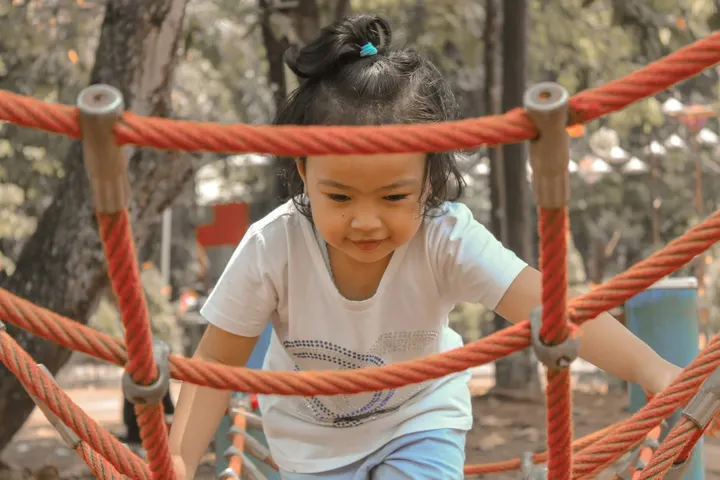
It’s a universal worry for parents: seeing your child on the sidelines, observing others play, or hearing them express sadness about not having a playmate. The desire for our children to feel connected, accepted, and joyful in their interactions is profound. When we notice our child struggling to form bonds, it can stir a deep sense of concern and a powerful urge to intervene, to smooth the path for them.
Many parents ask, "How to help your child make friends?" It’s a question that stems from a loving heart, recognizing that friendships are more than just playdates; they are vital building blocks for social-emotional development, self-esteem, and overall well-being. Watching your child navigate the complex world of peer relationships, especially if they are shy, new to an environment, or simply finding their way, can be incredibly challenging.
This article aims to provide guidance and reassurance, offering practical strategies rooted in child psychology to empower both you and your child. We'll explore why some children find friendship-building difficult, the profound benefits of strong social connections, and actionable steps you can take to foster these essential skills without overstepping. Our goal is to equip you with the knowledge to support your child in developing healthy, fulfilling friendships that will enrich their lives now and in the future.
Why it happens
The journey of making friends isn't always straightforward, and various factors can influence a child's ability to form connections. From temperamental differences to environmental changes, understanding these underlying causes can help parents approach the situation with greater empathy and targeted support.
Some children are naturally more introverted or shy, which can make initiating interactions difficult. This isn't a deficit, but a personality trait that requires a different approach to social engagement. For these children, large group settings can be overwhelming, making one-on-one interactions a more comfortable starting point for friendship.
Developmental stages also play a crucial role. Younger children often engage in parallel play, playing alongside others rather than with them, and their understanding of friendship is more about shared activities than deep emotional bonds. As children grow, their social understanding evolves, demanding more complex skills like empathy, negotiation, and conflict resolution, which some children may need more time or guidance to develop. A longitudinal study by the University of Virginia (2009) highlighted how early social skills predict later social success.
Environmental factors, such as moving to a new school, neighborhood, or experiencing family changes, can also disrupt existing friendships and present challenges in forming new ones. Children might feel anxious, out of place, or simply lack the opportunities to connect with peers in these new settings. Sometimes, children might also pick up on cues from adults or past negative experiences, leading to hesitancy in social situations. Understanding these nuances helps us tailor our support effectively.
The consequences if left unaddressed
When a child consistently struggles to make friends, the impact can extend far beyond the immediate sadness of feeling left out. In the short term, this can manifest as loneliness, decreased participation in group activities, and a general sense of social isolation. They might withdraw from social opportunities, or, conversely, act out in an attempt to gain attention, even if negative.
Over time, these difficulties can have more profound consequences. A lack of positive peer relationships can contribute to lower self-esteem and self-worth, as children may internalize the belief that something is wrong with them. This can also increase their vulnerability to bullying, as they may be perceived as easier targets due to their isolation.
Furthermore, research indicates a strong link between social isolation in childhood and long-term mental health challenges. The World Health Organization (WHO, 2021) emphasizes the importance of social connections for mental well-being across the lifespan. Children who struggle with friendships may be at a higher risk for developing anxiety, depression, and even difficulties in forming healthy relationships in adulthood. These early social experiences lay the foundation for future social competence and emotional resilience.
What the science says
Child development research consistently underscores the critical role of peer friendships in a child's healthy development. Studies show that friendships provide a unique context for learning and practicing essential social and emotional skills that cannot be fully replicated in interactions with adults.
For instance, a significant study published in the journal Child Development by Parker and Asher (1993) demonstrated that children who struggle with peer acceptance in elementary school are at increased risk for later academic and psychological adjustment problems. This highlights that peer relationships are not just a “nice-to-have” but a fundamental component of healthy development.
Another area of research, particularly from institutions like the Yale Center for Emotional Intelligence (2019), focuses on emotional literacy. They emphasize that children learn to understand and manage their emotions, empathize with others, and resolve conflicts more effectively through their interactions with peers. These social-emotional competencies are vital for navigating life's challenges and forming healthy relationships throughout life. The presence of just one good friend can act as a significant protective factor against the negative impacts of adversity, offering a buffer against stress and fostering a sense of belonging.
Practical step-by-step strategies
1. Model Positive Social Behavior
Children are keen observers, and they learn a great deal about social interaction by watching the adults around them. Consciously demonstrate kindness, empathy, and effective communication in your own relationships. Let your child see you engaging in friendly conversations, resolving disagreements respectfully, and showing interest in others. Talk about these interactions with your child, explaining why you acted a certain way and the positive outcomes. For example, you might say, 'I listened carefully to what Aunt Sarah was saying because it's important to show people we care about their feelings.' This direct modeling provides a powerful learning experience.
Encourage your child to observe these behaviors in others as well. When watching a show or reading a book, point out instances of characters being good friends or working through social challenges. Discuss what worked well and what could have been done differently. This helps them build a mental toolkit for navigating their own social encounters, translating abstract concepts into concrete examples they can understand and apply. It's about making the implicit rules of social engagement explicit and understandable for your child.
2. Foster and Nurture Social Skills
Friendships are built on a foundation of various social skills, and these can be taught and practiced like any other skill. Start with the basics: teaching your child how to introduce themselves, make eye contact, share, take turns, and listen actively. Practice these at home through role-playing games or during family interactions, making it fun and low-pressure. For instance, you could pretend to be new friends meeting at the park, practicing greetings and asking simple questions.
Beyond these foundational skills, help your child understand the nuances of non-verbal communication, such as body language and facial expressions. Explain that a smile can invite interaction, while crossed arms might signal disinterest. Discuss empathy – helping them understand how their actions or words might make another child feel. 'How do you think Jimmy felt when you took his toy without asking?' This cultivates their ability to connect with others' emotions, a cornerstone of meaningful friendship. For more resources on developing these skills, explore the Nami Kids learning hub.
3. Create Opportunities for Interaction
Children need opportunities to meet and interact with peers to form friendships. Actively seek out environments where your child can regularly encounter children with similar interests. This might include enrolling them in clubs, sports teams, art classes, or community groups that align with their passions. Shared interests provide an immediate common ground and talking point, reducing the pressure of initiating conversation from scratch.
Organize playdates with children your child seems to connect with at school or in the neighborhood. For younger children, short, structured playdates can be very effective, allowing you to gently guide their interactions. As they get older, allow for more unstructured play, which fosters creativity and problem-solving. Hosting playdates at your home or a neutral location like a park can also provide a comfortable setting for friendships to blossom. Remember, consistency is key; regular, positive interactions help build familiarity and trust, which are essential for developing friendships.
4. Teach Conflict Resolution Skills
Disagreements are an inevitable part of any relationship, and friendships are no exception. Teaching your child healthy ways to navigate conflict is crucial for maintaining bonds. Instead of intervening immediately in every dispute, guide them through the process of identifying the problem, expressing their feelings calmly, listening to the other person's perspective, and brainstorming solutions together. For example, you might say, 'It looks like you both want the red truck. What are some ways you could both get to play with it?'
Role-play common friendship challenges and practice different responses. Encourage them to use 'I' statements to express their feelings without blaming, such as 'I feel sad when you don't share.' This empowers them to advocate for themselves while also considering others' feelings. Learning to compromise and apologize sincerely are also vital skills that strengthen friendships in the long run. These skills not only help preserve existing friendships but also build confidence in new social situations.
5. Emphasize Empathy and Perspective-Taking
Empathy is the ability to understand and share the feelings of another, and it is fundamental to deep, meaningful friendships. Help your child develop empathy by discussing emotions regularly. Ask them how they think others might be feeling in various situations, whether it's a character in a story or a peer at school. 'Why do you think Sarah was upset when her block tower fell down?' This encourages them to step into another's shoes.
Point out acts of kindness and their positive impact. When you see your child or another child do something thoughtful, acknowledge it. 'That was really kind of you to help Leo pick up his crayons; I bet that made him feel much better.' Encourage them to think about how their actions affect others, fostering a sense of responsibility and care. This consistent practice helps children develop a genuine concern for their friends' well-being, which is a hallmark of strong and lasting bonds. You can find more insights on emotional development on Nami Kids.
6. Encourage Active Listening and Asking Questions
True friendship involves reciprocal understanding, and active listening is a vital component. Teach your child the importance of truly hearing what others are saying, rather than just waiting for their turn to speak. This includes making eye contact, nodding, and offering verbal affirmations like 'uh-huh' or 'I see.'
Encourage your child to ask open-ended questions about their friends' interests, experiences, and feelings. Instead of just stating facts about themselves, prompt them to inquire, 'What did you do today?' or 'What's your favorite part about that game?' This shows genuine interest and helps uncover common ground, leading to deeper conversations and stronger connections. Practicing these conversation skills at home, perhaps during dinner conversations, can make them more natural in peer interactions.
7. Be a Positive Role Model for Friendship
Children learn by example, and your own friendships provide a powerful blueprint. Talk to your child about your friends, what you enjoy doing together, and how you support each other. Let them see you maintaining your own social connections, whether it's through phone calls, meet-ups, or helping a friend in need. This demonstrates the value you place on friendship and the effort it takes to nurture these relationships.
Explain the give-and-take of friendship – how it involves both supporting others and accepting support in return. If you have a disagreement with a friend, discuss with your child (in an age-appropriate way) how you resolved it or are working to resolve it. This transparency teaches them that friendships are not always perfect, but that commitment and communication can help them overcome challenges, reinforcing the resilience needed for lasting bonds.
When to seek a professional
While many children benefit greatly from parental guidance in building social skills, there are times when professional support can be invaluable. If your child consistently expresses profound sadness or anxiety about friendships, or frequently describes feeling isolated and lonely, it might be a sign to seek expert help. Persistent withdrawal from social situations, difficulty initiating or maintaining any peer interactions despite your best efforts, or an inability to understand basic social cues can also be indicators.
Additionally, if your child's struggles are leading to significant behavioral changes, such as increased irritability, academic decline, or physical symptoms like stomach aches or headaches before social events, these are clear signals. A child psychologist or therapist specializing in child development can assess the underlying causes of these difficulties, which might include social anxiety, learning differences, or other developmental considerations. They can provide tailored strategies, social skills training, or cognitive-behavioral interventions to help your child develop the confidence and tools needed to form meaningful connections, ensuring they receive the specialized support they need to thrive socially and emotionally.
Key Takeaways:
- ✨ Model and Teach: Children learn best by observing and practicing social skills in supportive environments.
- ✨ Create Opportunities: Facilitate interactions through shared interests and structured playdates.
- ✨ Empower and Support: Equip your child with conflict resolution and empathy skills, and know when to seek professional guidance.
Related articles
- Child Saw Inappropriate Content Online: What to Do
- 7 Mistakes When Taking the Tablet Away from Kids
- How to Hide Apps on Android: A Complete Guide for Privacy and Child Safety
Frequently asked questions
1. How to teach your children to make friends?
Teaching children to make friends involves a multi-faceted approach. Start by modeling positive social behaviors yourself, showing them how to be kind, listen, and resolve conflicts. Actively teach and practice specific social skills like introducing themselves, sharing, taking turns, and making eye contact. Create regular opportunities for them to interact with peers who share similar interests, such as through clubs, sports, or organized playdates. Discuss emotions and empathy, helping them understand others' perspectives. Guide them in conflict resolution, teaching them to express feelings calmly and find solutions. Most importantly, provide positive reinforcement for their efforts, focusing on the process of trying rather than just the outcome.
2. What is the 11-3-6 rule of friendship?
The '11-3-6 rule' is not a widely recognized psychological or developmental theory regarding friendship formation in children. It sounds more like a mnemonic or an informal guideline that might be used in specific contexts. In general, psychological research on friendship development focuses on broader concepts such as shared activities, mutual understanding, trust, and reciprocity, rather than a specific numerical rule for age groups. If you've encountered this rule, it's likely from a non-academic source or a specific program, and its scientific basis would need to be thoroughly examined.
3. What is the 3-3-3 rule for kids?
Similar to the '11-3-6 rule,' the '3-3-3 rule' is not a standard, recognized concept in child psychology or developmental literature concerning friendship. Such numerical rules are often created informally to simplify complex concepts, but they typically lack scientific backing. For children's social development, the focus is on consistent exposure to diverse social situations, opportunities for practice, and explicit teaching of social-emotional skills, rather than rigid formulas. The effectiveness of friendship-building strategies lies in their adaptability to individual child needs and developmental stages.
4. What are 5 qualities of a good friend?
Based on child psychology and social development research, here are five essential qualities of a good friend that children often value and that contribute to healthy relationships:
- Kindness and Empathy: A good friend is thoughtful and understanding, showing care for others' feelings and experiences. They offer comfort and support when needed.
- Trustworthiness: Friends can rely on each other to be honest, keep promises, and be there when it matters. This builds a foundation of security in the relationship.
- Good Listener: A good friend pays attention when others are speaking, showing genuine interest in what they have to say without interrupting or making it all about themselves.
- Shares and Cooperates: Friendships thrive when children are willing to share toys, ideas, and experiences, and can work together towards common goals during play or activities.
- Respectful and Forgiving: Good friends respect each one's differences, boundaries, and opinions. They are also able to forgive mistakes, move past minor conflicts, and give each other the benefit of the doubt, helping the friendship endure over time.
5. How can I help my shy child make friends?
For a shy child, the key is gentle encouragement and creating low-pressure social environments. Start with one-on-one playdates rather than large group settings, allowing them to feel more comfortable and less overwhelmed. Prepare them in advance by discussing what they might do or say, perhaps even role-playing. Encourage them to practice small social gestures like smiling, saying hello, or asking simple questions. Focus on their interests; if they love art, enroll them in an art class where they naturally connect with like-minded peers. Validate their feelings of shyness but emphasize that even small steps are progress. Praise their effort, not just the outcome, and avoid forcing them into interactions that make them deeply uncomfortable, as this can be counterproductive. Patience and consistent, gentle support are vital.
6. What if my child is being excluded by peers?
If your child is experiencing exclusion, it's heartbreaking, and your support is crucial. First, listen empathetically to their feelings without judgment, validating their pain. Help them understand that sometimes exclusion is not about them, but about the dynamics of a group or another child's behavior. Discuss strategies for responding, such as finding other children to play with, asking politely to join, or confidently pursuing their own activities. You might also speak with teachers or school staff to understand the social dynamics at play and see if they can help facilitate positive interactions or monitor for bullying. Empower your child by building their self-esteem through activities where they excel, reminding them of their unique strengths and qualities. Reassure them that they are worthy of friendship, and keep creating opportunities for them to connect with supportive peers outside of the challenging environment.
7. How important is parental involvement in children's friendships?
Parental involvement plays a significant, though evolving, role in children's friendships. For younger children, parents are often the primary facilitators, organizing playdates, teaching social skills, and helping them navigate early conflicts. As children grow older, parental involvement shifts from direct facilitation to guidance and support. You become a coach and a confidant, offering advice, listening to their social struggles, and helping them develop independence in managing their relationships. Research consistently shows that warm, supportive parenting, which includes discussing social situations and modeling healthy relationship behaviors, is associated with better social competence in children. Your role is to provide a secure base from which they can explore, learn, and grow in their social world.
Helping your child navigate the complex and wonderful world of friendships is one of the most important gifts you can give them. It requires patience, understanding, and a willingness to teach and model essential social and emotional skills. By providing a supportive environment, creating opportunities for connection, and empowering them with the tools to build and maintain relationships, you are laying a strong foundation for their lifelong well-being. Remember, every child develops at their own pace, and your unwavering love and guidance are the most powerful forces in their journey to making meaningful connections.
Foto di Arfan Adytiya su Unsplash.