Child Saw Inappropriate Content Online: What to Do
Discovered your child has seen inappropriate content online? Learn how to respond calmly, set up effective parental controls, and build lasting digital safety habits. A comprehensive guide with practical tools and the Nami Kids approach to mindful screen time.
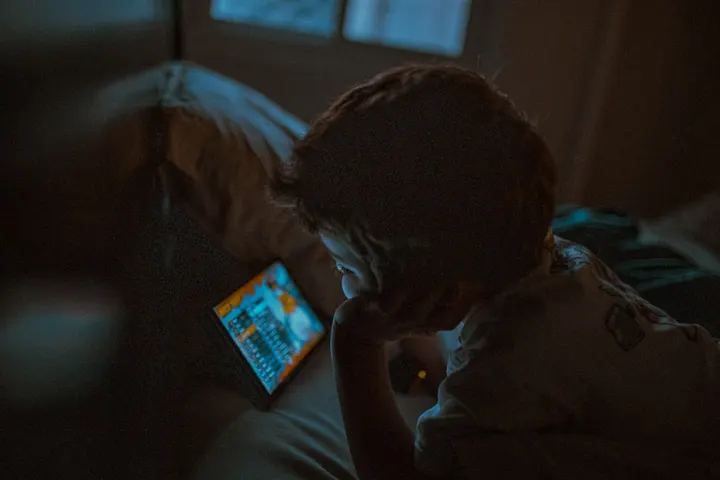
Discovering that your child has seen inappropriate content online can trigger a wave of shock, anger, and above all, fear. That knot in your stomach, the feeling that you failed to protect them, the nagging question: "How did this happen?" You are not alone. In an increasingly connected world where digital devices are ever-present from early childhood, this is a challenge faced by millions of parents. The concern is legitimate and the desire for an effective answer is urgent. Many parents ask: "My child saw inappropriate content — what do I do?"
The good news is that proven strategies, tools, and educational approaches exist that can turn this crisis into a growth opportunity for the whole family. This article is designed to give you a complete guide that goes beyond surface-level advice, providing practical, lasting solutions.
The problem does not end with a single incident. Exposure to unsuitable content can have significant consequences for children's emotional and psychological development. It is essential to act promptly, but also with the right information and adequate tools. This is not just about blocking — it is about educating, having open conversations, and building a relationship of trust that empowers your children to navigate the digital world with autonomy and responsibility.
Why Children Encounter Inappropriate Content Online
Children's exposure to inappropriate online content is a constantly growing phenomenon. It is no longer a question of "if" but "when" and "how" our children will stumble upon something unsuitable. Research shows that the age of first technology use is dropping dramatically, with many children arriving at primary school with significant digital familiarity — often the result of unsupervised, unstructured exposure that creates unexpected risks.
The causes are multifaceted. First, the sheer ubiquity of devices: smartphones and tablets have become natural extensions of daily life, often used as digital babysitters. This early accessibility, combined with sometimes insufficient oversight, creates fertile ground for encountering unwanted material.
Studies indicate that over a third of children are exposed to violent or sexually explicit imagery, and roughly 60% encounter violent content on digital platforms. By age 9–10, many children have already stumbled on such material — often by accident, following a link, watching an algorithm-suggested video, or browsing a peer's content.
Another critical factor is how platform algorithms work. YouTube, TikTok, and other social media are designed to maximise user engagement, serving content based on previous views and trending topics. This can create content spirals that start from an innocent video and rapidly veer toward violent, sexually explicit, or otherwise unsuitable material. Even platforms like YouTube Kids are not immune to potentially traumatic variants of popular cartoons slipping through filters.
Finally, the natural curiosity of children and teenagers plays a significant role. As they grow, they explore the world, and the digital space is a key part of that exploration. Sometimes the search for inappropriate content is intentional, driven by curiosity, peer pressure, or a desire to push boundaries. Other times it is entirely accidental — a wrong click or an unexpected pop-up ad. Regardless of the cause, the outcome is the same: exposure that requires informed parental response.
What Counts as Inappropriate Content?
To tackle the problem effectively, it is essential to understand exactly what inappropriate content includes. It extends far beyond explicit pornography or extreme violence to encompass a wide range of material that can be harmful to a child's psychological and emotional development:
- Sexually explicit content: Pornographic images or videos, erotic material, or sexual allusions not appropriate for the child's age. This also includes non-consensual sexting or the sharing of intimate images without permission.
- Violent and graphic content: Scenes of physical violence, torture, graphic imagery, war footage, or serious accidents. Video games and cartoons that glorify violence may also fall into this category if they are too realistic for the child's age.
- Hate speech and discrimination: Racist, sexist, homophobic, xenophobic material or content promoting intolerance. This can include hate speech, discriminatory symbols, or extremist propaganda.
- Content promoting dangerous behaviours: Pro-eating disorder sites, dangerous online challenges, self-harm instructions, drug use guidance, or other illegal activities.
- Misinformation: Fake news, conspiracy theories, or distorted scientific claims that can confuse children and alter their perception of reality.
- Online grooming: Adults posing as peers to build trust with a child, ultimately seeking to obtain sexual material or arrange meetings. This is one of the most insidious online dangers.
The perception of what is "inappropriate" also varies based on the child's age and maturity. An image that might be harmless for a 16-year-old could be deeply traumatic for an 8-year-old. A dynamic, personalised approach to online child safety is therefore essential.
The Consequences of Exposure to Inappropriate Content
Exposure to inappropriate content can have a significant, lasting impact on children's psychological, emotional, and behavioural development. Reactions vary widely depending on age, frequency, type of material, and the family context.
In younger children (7–12), violent or sexual scenes can be deeply frightening and confusing. Without the cognitive tools to process what they have seen, they may react with anxiety, agitation, sleep difficulties (nightmares), or with a defensive silence that should not be mistaken for indifference. Unexplained behaviours — unusual words or gestures, strange questions, excessive interest in certain topics — are signs the child is trying to process a difficult experience.
In teenagers (13–18), the consequences can be equally serious, though they manifest differently. Exposure to sexually explicit content can lead to distorted views of sexuality, unrealistic relationship expectations, self-esteem issues, or risky sexual behaviour. Online violence can desensitise, increase aggression, or generate anxiety and depression. Cyberbullying, online grooming, and non-consensual sexting carry risks of humiliation, blackmail, and in the most severe cases, suicidal ideation.
Generally, exposure can generate guilt, shame, fear of judgment, and isolation. Critical thinking skills may be compromised, making it harder for children to distinguish reality from fiction. A supportive, communicative environment is the most powerful protective and resilience-building factor.
Practical Strategies for Parents: A Holistic Approach
Addressing the problem of inappropriate content requires a multi-layered approach combining technological tools, open dialogue, and ongoing education. No single solution exists, but a combination of strategies, applied consistently, can make a real difference.
1. Open Dialogue and Trust: Your First Line of Defence
The most powerful strategy is building a relationship of trust with your children. They must feel free to talk about anything they have seen or experienced online, without fear of judgment or punishment. When you discover your child has seen something inappropriate, your first reaction should not be anger or panic but calm listening. Reassure them it is not their fault and that you are there to help.
- Start early: Talk about online safety as soon as children begin using devices. Do not wait for something bad to happen.
- Be a role model: Demonstrate responsible technology use. Limit your own screen time and choose age-appropriate content.
- Explain, don't frighten: Instead of simply prohibiting, explain the dangers in age-appropriate language. Use practical examples and analogies.
- Normalise the conversation: Discussing topics like violence, sexuality, or other sensitive subjects should not be taboo. Experts agree that from an early age, it is important to respond to children's curiosities with age-appropriate information. This prepares them to handle content they may encounter online.
2. Digital Literacy and Critical Thinking
The goal is not to isolate children from the digital world but to teach them to navigate it safely and consciously. This means developing critical thinking, discernment, and the resilience needed to face online challenges.
- Teach them to spot warning signs: Help your children understand when content is suspicious, false, or inappropriate. Explain the importance of verifying sources.
- Promote privacy: Teach them never to share personal data, intimate photos, or sensitive information with strangers online.
- Develop digital empathy: Help them understand that behind every screen there is a real person, and that online words and actions have real-world impact.
- Discuss algorithms: Explain how platform algorithms work and how they can steer users toward unwanted content. This will help children be more critical of automatic suggestions.
3. Technological Tools: Filters and Parental Controls
While dialogue is fundamental, technological tools provide an additional layer of protection, especially for younger children or during the early stages of digital independence.
How to Block Content That Is Not Suitable for Children
- SafeSearch filter: Activate SafeSearch on all browsers and search engines. On Android: Settings > Account and Privacy > SafeSearch Filter. Remember that SafeSearch is not infallible and can be deactivated by tech-savvy children.
- Platform safety settings: Most platforms (YouTube, Netflix, social media) offer parental control settings or kids' modes. Activate and configure them based on your children's ages.
- Operating system parental controls: Both Android and iOS offer built-in parental control features to restrict app access, websites, in-app purchases, and usage time.
- Dedicated parental control software: Applications like Nami Kids offer more granular control over websites, apps, usage time, and activity monitoring across all family devices.
- Router-level filters: Some home routers allow you to set web filters that block categories of sites for all devices connected to your Wi-Fi. Effective for home browsing, but does not protect devices on other networks.
How to Block Sites Restricted to Minors
- Blocklists: Many parental control tools and some routers allow you to create blocklists of specific sites. You can also use DNS filtering services like OpenDNS FamilyShield.
- Browser extensions: Some browser extensions can block specific sites or content categories, though these are more easily bypassed by tech-savvy children.
- Operating system settings: On Windows and macOS, you can modify the hosts file to block access to specific domains — a more technical but effective solution for individual computers.
4. Mindful Monitoring and Supervision
Monitoring your children's online activity does not mean spying on them — it means being present and aware of what they do. For younger children, browsing should happen with parental accompaniment. When an unsuitable video starts playing, the parent intervenes promptly, explains in simple words "No, this isn't for children," and helps the child find what they actually wanted. These simple actions teach by example.
As children grow and gain independence, monitoring becomes a discreet but consistent presence. Periodically check installed apps, browsing history (explaining why), and privacy settings on social media. Do this collaboratively, not secretly.
5. How Much Screen Time Should a 12-Year-Old Have?
The question of screen time for a 12-year-old is complex with no single answer, but guidelines suggest roughly 1.5 hours per day or 10.5 hours per week for the 12–14 age group. However, managing screen time should focus on quality and context, not just quantity.
- Set clear rules: Define daily and weekly device time limits. Include device-free times (during meals, before bed).
- Quality over quantity: Encourage creative, educational, or interactive activities and limit passive content consumption or addictive platforms.
- Screen-free zones: Create areas in the house or times of day where devices are off-limits to encourage family interaction.
- Consistent consequences: Apply rules consistently and establish clear consequences for violations, while rewarding responsible use.
6. Reporting Illegal or Harmful Content
If you or your child encounters illegal content, content inciting violence or hatred, or illegal sexual images of children, it is essential to report it.
- Internet Watch Foundation (IWF): For child sexual abuse material (CSAM), the IWF is the international reference organisation. Reports are anonymous and critical for content removal.
- Platform reporting: Most platforms (YouTube, Facebook, Instagram, TikTok) have built-in reporting systems. Use them for violent content, hate speech, bullying, grooming, or any policy violations.
- Law enforcement: For serious cyberbullying, grooming, threats, or other online crimes, contact your local police or specialist cybercrime unit.
- Child protection organisations: Numerous charities and NGOs (such as the NSPCC in the UK or the National Center for Missing & Exploited Children in the US) offer support and advice to parents and children affected by online abuse.
How Nami Kids Helps You Navigate the Digital World with Confidence
In this complex landscape, parents need a reliable ally. Nami Kids is not just a parental control app — it is an educational philosophy that supports families in building a healthy, conscious relationship with technology. While other tools only block, Nami Kids goes further by teaching autonomy and responsibility. Finally, the solution you have been searching for — digital education that does not limit but empowers.
Nami Kids offers a complete ecosystem of features designed to protect your children and guide them toward balanced technology use:
- Parents schedule mandatory educational breaks during monitored app use, for example every 30 minutes. When the interval is reached, the child must complete the Pedagogical Pause. It does not only start when the daily screen allowance ends. How the Pedagogical Pause works.
- Safe Wall (for cyberbullying and inappropriate content): The Nami Kids Safe Wall is your proactive defence against harmful content and cyberbullying. It goes beyond blocking sites or apps to create a protected digital environment where children can explore safely. The Safe Wall filters violent, sexually explicit, hate-promoting, or dangerous content, far surpassing basic SafeSearch capabilities. It also monitors online interactions for signs of cyberbullying or grooming, alerting you in real time so you can intervene promptly while respecting your child's privacy.
- Autonomy Routines and Category-Based Limits: Nami Kids lets you set personalised digital routines that promote autonomy and responsibility. Define time limits for different app categories (games, social media, educational apps) or specific applications. For example, allow more time for educational apps and less for games, or block social media entirely during school hours. These routines help children develop self-management skills. The Nami Parents Dashboard gives you a clear overview of device usage, allowing you to adapt rules as your children grow. Visit namikids.app/guida for more on time management features.
Nami Kids is more than a tool — it is a partner in your mission as a digital-age parent. It gives you the peace of mind of knowing your children are protected, and the confidence that they are learning to be responsible, autonomous digital citizens.
Key Takeaway:
- Open dialogue and trust are the foundation for preventing and addressing exposure to inappropriate content.
- Technological tools like filters and parental controls are essential for creating a safe digital environment.
- Nami Kids offers a holistic solution combining advanced protection, autonomy education, and mindful screen time management.
Frequently Asked Questions
1. How do I effectively block inappropriate content for my children?
Effective, lasting content blocking requires a multi-layered approach. Start by activating SafeSearch on all search engines and browsers, but remember it can be bypassed and does not catch everything. Integrate this with platform-specific safety settings (YouTube Kids, Netflix child profiles, social media privacy settings). Configure your home router to block content categories, or use a DNS filtering service like OpenDNS FamilyShield. For the most robust and customisable protection, use dedicated parental control software like Nami Kids. Its Safe Wall feature goes beyond simple blocking, creating a protected digital environment that adapts as your child grows, filtering inappropriate content that standard filters miss. Lasting effectiveness comes from combining these tools with ongoing dialogue and education in critical thinking, so your children learn to recognise and avoid harmful content even without direct supervision.
2. What exactly counts as inappropriate content for children?
Inappropriate content extends far beyond explicit images or videos. It includes: sexually explicit material (pornography, erotic content, non-consensual sexting); violent and graphic content (graphic violence, self-harm imagery, hate speech); content promoting dangerous behaviours (risky online challenges, pro-eating disorder sites, drug instructions); misinformation (fake news, conspiracy theories); and perhaps most insidiously, online grooming where adults pose as children to manipulate minors. Recognising these threats requires paying attention to signs of distress in your children (anxiety, mood changes, isolation, unusual questions) and understanding the platforms they use. It is crucial to teach children to report anything that makes them uncomfortable and to develop critical thinking skills for evaluating content they encounter.
3. How do I block age-restricted sites on all devices at home?
Blocking restricted sites across all home devices requires an integrated strategy. Configure your home router to block specific site categories or URLs. Alternatively, change your router's DNS settings to use a service like OpenDNS FamilyShield, which automatically filters adult and harmful content for all Wi-Fi-connected devices. For mobile devices that leave the home network, install parental control software like Nami Kids, which operates at the OS level to block specific sites and apps, set time limits, and monitor activity regardless of the network connection. Nami Kids offers the flexibility to customise rules for each child and device, ensuring restricted sites remain inaccessible both at home and on the go.
4. How much screen time should a 12-year-old have and how do I manage it without arguments?
The aim is to alternate app use with educational activities and help children become familiar with digital rules. Mini-lessons in science, coding and emotional education are designed for children aged 6–12 and reviewed by pedagogists. How the Pedagogical Pause works.
Don't Let Fear Take Over: Act Now with Nami Kids
Exposure to inappropriate content is a reality of today's digital world, but it does not have to be a source of constant anxiety. With the right information, a mindful educational approach, and the right tools, you can transform this challenge into an opportunity to strengthen the bond with your children and guide them toward a safe, responsible digital future. Remember: it is not just about blocking — it is about teaching, communicating, and building autonomy.
Parents schedule mandatory educational breaks during monitored app use, for example every 30 minutes. When the interval is reached, the child must complete the Pedagogical Pause. It does not only start when the daily screen allowance ends. How the Pedagogical Pause works.
Photo by Helena Lopes on Unsplash.