Social Media Dangers for Kids: How to Protect Your Child Online With Clear Rules
The dangers of social media for children are real: cyberbullying, grooming, inappropriate content. Learn how to protect your child online with clear rules and effective tools, without losing trust.
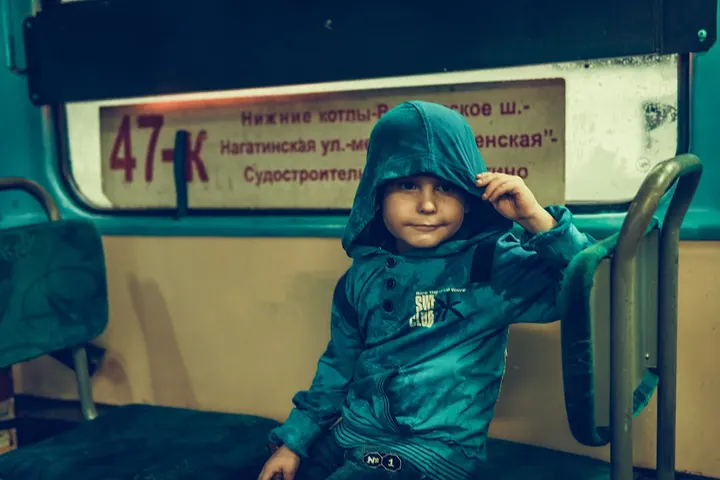
Dear parents, we know. Worrying about social media dangers for kids is a constant in your daily life. Watching our children navigate a vast and often unpredictable digital world can stir anxiety, fear, and a sense of powerlessness. You wonder how to protect them without turning the house into a fortress, how to guide them without spying, how to keep the conversation open when the online world seems to speak a different language. You are not alone in this challenge.
The digital world is part of our children's lives, but it brings real risks: adults posing as peers to groom them, pressure to share intimate photos, public insults and blackmail (grooming, sexting, and cyberbullying). Add to that another, subtler danger: overstimulation. Modern games saturate the brain with dopamine, making it hard to step away from the screen and often causing meltdowns when it is time to switch off.
✅ Clear rules: Agree a shared digital pact for mindful browsing.
🛡️ Active protection: Use tools that detect and block online risks.
📖 Digital balance: Teach children to manage screen time with pedagogical pauses.
The Real Risks of the Digital World for Minors
Increasingly early access to devices and social networks exposes children to threats that go well beyond simply "being on the phone too much".
- Online grooming: Predators infiltrate chats and online games, building trust before asking for personal information or intimate photos.
- Sexting and sextortion: Pressure to exchange sexual images or videos can lead to blackmail and the non-consensual sharing of private material.
- Cyberbullying: Insults, threats, and the sharing of private content online can have a devastating impact on a young person's mind, undermining self-esteem and wellbeing.
- Inappropriate content: Accidental or intentional exposure to violent, pornographic, or otherwise age-inappropriate material is a constant risk.
- Dependence and overstimulation: Excessive, unmonitored device use creates a dopamine dependence that makes children less able to handle frustration and step away from screens calmly.
💡 Nami tip: Talk openly about these dangers with your children, using concrete examples and age-appropriate language. It is not about scaring them, but about making them aware.
How to Build a "Safe Wall" Around Your Children Online
Effective protection is not just a matter of technology, but an integrated approach combining clear rules, dialogue, and supportive tools.
1. Set Clear Rules and a Shared Digital Pact
This is not a lecture, but an agreement. Sit down with your children and discuss what is and is not allowed, what the usage times are, and the consequences of breaking the rules. Writing this pact down makes it more tangible and helps children feel heard. The goal is to protect, not to spy. This is the first step to managing screen time mindfully.
- Shared times and spaces: For younger children, keep the phone in common areas. For pre-teens, agree on reasonable times, especially in the evening so sleep quality is not affected.
- Allowed content: Decide together which apps, games, and sites are appropriate for their age.
- Privacy and personal data: Teach the importance of never sharing personal information (address, phone number, school) or passwords.
2. Teach Them to Recognise Warning Signs and React
Your children need to be their own first line of defence. Help them spot dangerous situations:
- Suspicious requests: Any request for intimate photos, personal information, or to keep a conversation secret should set off alarm bells.
- Fake profiles and unknown links: Teach them to recognise a suspicious profile and not to click unverified links.
- Responding to cyberbullying: If they receive insults or threats, the rule is: do not reply, block the person, save screenshots as evidence, and talk to you straight away. Reporting is not "telling tales", it is self-defence. Our guide on cyberbullying in children under 12 goes deeper.
3. The Crucial Role of Open, Non-Judgemental Dialogue
This is the most delicate point. If your child admits to a mistake online, your reaction is decisive. Resist the urge to punish or take the phone away. If you do, next time they will tell you nothing. Listen, then work it out together. Open dialogue protects far more than punitive surveillance.
Nami Kids: Protection and Digital Education Combined
Understanding social media dangers for kids is the first step; acting with effective tools is the second. Nami Kids acts as an active shield, automatically detecting risks like cyberbullying, inappropriate content, or grooming attempts, protecting your child in real time.
At its heart is the Narrative Pedagogical Pause: after a period of play, the child is invited into a short, engaging story (7 to 8 minutes) starring Nami, set in space, the ocean, or among dinosaurs, with slow pacing and themes like emotions and friendship. This breaks the dopamine cycle, calms the child, and helps them wind down, so they stop playing without a meltdown. As an alternative, offline tasks (drawing, walking the dog, helping at home) reconnect them with the real world, while customisable routines build self-management and free up time for sport, reading, and outdoor play. Learn more about protecting your child's browsing.
Working Together for Safety: Schools and Authorities
You are not alone in this. Schools and community groups can run sessions on grooming and cyberbullying with experts. And if you suspect grooming, threats, or blackmail, do not handle it alone: contact your local police or online safety authorities, who have practical guidance and know how to act on crimes against minors.
In short: if your child receives sexual messages, requests for intimate photos, threats, or blackmail, stop the communication immediately, do not delete the messages (they are evidence), talk to your child without judgement, report the content to the platform, and contact the relevant authorities. Your child's safety comes before a stranger's privacy.
Frequently Asked Questions About Social Media Dangers for Kids
What is the minimum age for social networks?
Most social networks require users to be at least 13, in line with data protection law. However, many children get around this rule, which makes parental supervision even more important.
How can I monitor my child's online activity without spying?
Transparent monitoring is key. Use parental control tools like Nami Kids, explaining to your child that they are there to protect, not to spy. Keep an open dialogue and encourage them to share their online experiences.
What should I do if my child is a victim of cyberbullying?
First, do not respond to the bully. Block the user, save all screenshots as evidence, and talk to your child immediately, reassuring them. Report it to the platform and, if needed, contact the relevant authorities.