How to Potty Train a Child: 7 Proven Steps for Success
Demystify potty training with our comprehensive guide. Learn 7 proven steps to potty train your child effectively, understand readiness signs, and overcome common challenges with confidence.
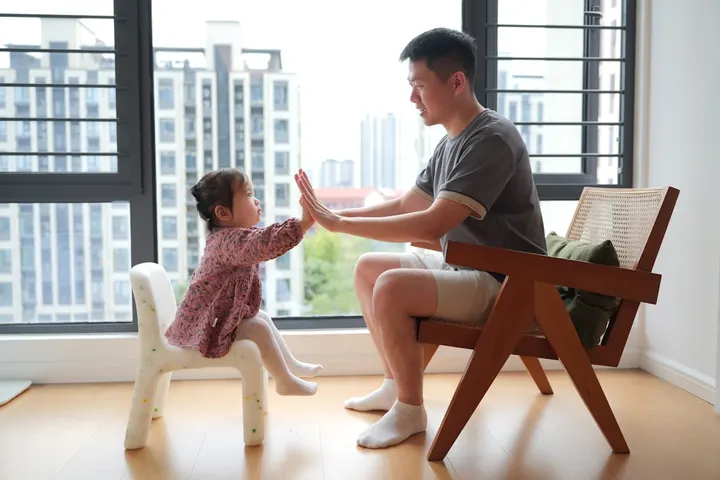
The journey of parenthood is filled with countless milestones, each bringing its own mix of excitement, anticipation, and sometimes, a touch of apprehension. Among these, teaching your little one to use the toilet independently stands out as a significant rite of passage. For many parents, the question of how to potty train a child can feel overwhelming, a puzzle with no clear solution, leading to moments of frustration and self-doubt.
You might find yourself wondering if you're starting too early, too late, or if you're even using the 'right' method. The constant cycle of changing nappies, the occasional accident, and the well-meaning but often conflicting advice from others can make this transition feel like an uphill battle. But take a deep breath; you're not alone in this experience. Potty training is a universal developmental stage, and with patience, understanding, and a structured approach, it can be a positive and empowering experience for both you and your child.
This comprehensive guide is designed to demystify the potty training process, offering you 7 proven steps for success. We'll explore common challenges, delve into effective strategies, and provide insights to help you navigate this important milestone with confidence, turning potential struggles into triumphs of independence for your little one.
The Problem: Understanding the Potty Training Journey
Potty training isn't just about teaching a child to use a toilet; it's a complex developmental process that involves physical, cognitive, and emotional readiness. Unlike learning to walk or talk, which often happens organically with minimal direct instruction, potty training requires a concerted effort from both child and parent. The challenge often lies in aligning parental expectations with the child's individual pace and readiness signals.
Many parents feel pressured to start potty training at a certain age, influenced by societal norms, daycare requirements, or comparisons with other children. However, research consistently shows that pushing a child before they are developmentally ready can prolong the process, create resistance, and even lead to negative associations with toileting. The average age for completing daytime potty training has shifted over the decades, reflecting a more child-centered approach. While readiness varies, the American Academy of Pediatrics (AAP) notes that most children are ready between 18 months and 3 years, with many completing daytime training by 27 months for girls and 31 months for boys.
The World Health Organization (WHO) and leading pediatric associations emphasize the importance of readiness cues over chronological age. Every child is unique, and their internal timetable for mastering bladder and bowel control varies significantly. Understanding this fundamental principle is the first step towards a successful and stress-free potty training experience.
Common Roadblocks and Their Impact
Even with the best intentions, parents often encounter various obstacles during the potty training journey. These roadblocks can range from a child's outright refusal to a series of frustrating accidents, each testing patience and resolve. Recognizing these common issues and understanding their underlying causes is crucial for addressing them effectively and preventing prolonged struggles.
Signs Your Child Isn't Ready for Potty Training
One of the most significant roadblocks is attempting to potty train before your child exhibits the necessary readiness signs. This isn't about failing; it's about timing. Pushing too early can lead to power struggles, anxiety, and a prolonged training period. Look for a combination of physical, cognitive, and emotional indicators:
- Physical Readiness: Your child can walk and run steadily, can stay dry for at least 1.5-2 hours during the day or after naps, has predictable bowel movements, and can pull their pants up and down.
- Cognitive Readiness: They can understand and follow simple instructions, can communicate their needs (e.g., 'pee,' 'poop'), and show curiosity about the toilet or wearing underwear.
- Emotional Readiness: They show an interest in using the potty, express discomfort with wet or dirty nappies, desire independence, and are generally cooperative.
If these signs are largely absent, it might be beneficial to pause and revisit the idea in a few weeks or months. Forcing the issue can turn what should be a natural progression into a stressful battle, impacting your child's confidence and your parent-child relationship.
The Emotional Toll: Navigating Resistance and Accidents
The emotional landscape of potty training can be turbulent for both children and parents. Children, in their quest for independence, may sometimes resist new routines or assert control by refusing to use the potty. For parents, repeated accidents or a child's refusal can lead to feelings of frustration, exhaustion, and even guilt, wondering if they're doing something wrong. It's vital to approach these emotional challenges with empathy and a calm demeanor.
Potty Training a 3-Year-Old Who Refuses
It's not uncommon for a 3-year-old to refuse potty training, even if they previously showed interest or made some progress. This age often coincides with a strong desire for autonomy and a tendency to test boundaries. Refusal can stem from various factors:
- Fear or Anxiety: Some children might be scared of the toilet flushing, falling in, or even the sensation of passing a bowel movement.
- Power Struggles: Refusing to use the potty can be a way for a child to exert control in an area where they feel pressure.
- Developmental Regression: Stressful life changes (new sibling, moving, starting daycare) can sometimes cause a temporary regression in skills, including potty training.
- Lack of Motivation: They might simply not see the benefit of switching from nappies.
When faced with refusal, avoid punishment or shaming. Instead, re-evaluate their readiness, make the process more appealing (e.g., fun books, special rewards), offer choices (potty chair vs. toilet seat), and ensure they feel in control. Sometimes, a short break from training can reset the situation and allow them to come back to it with renewed interest.
The Myth of "One-Size-Fits-All" Potty Training
In a world brimming with parenting advice, it's easy to fall into the trap of believing there's a single 'best' way to potty train. However, the reality is that children are individuals, and what works for one may not work for another. Different cultures, families, and even individual children within the same family will have unique experiences with potty training. This diversity underscores the importance of flexibility and tailoring your approach to your child's specific needs and personality.
Potty Training at 6 Months: Is it Too Early?
The concept of potty training at 6 months, or even earlier, often refers to 'elimination communication' (EC) or 'infant potty training.' This method involves observing a baby's cues for needing to eliminate and then holding them over a potty or toilet. It's less about traditional 'training' and more about fostering communication and awareness between parent and child regarding bodily functions from a very young age.
While some parents find success with EC, it's distinct from conventional potty training, which typically begins when a child can communicate their needs, walk independently, and has sufficient bladder and bowel control. For most Western cultures, starting traditional potty training at 6 months is generally considered too early, as the child lacks the necessary physical and cognitive readiness for independent toileting. The goal of EC is often to reduce nappy use, not necessarily to achieve full independent toileting at such a young age.
How to Potty Train a Child: 7 Proven Steps for Success
Embarking on the potty training journey requires a blend of strategy, patience, and positive reinforcement. These 7 proven steps are designed to guide you through the process, making it as smooth and successful as possible for both you and your child.
Step 1: Look for Readiness Signs (Not Just Age)
This is the cornerstone of successful potty training. As discussed, chronological age is less important than developmental readiness. Observe your child for:
- Physical Readiness: Can they stay dry for longer periods (at least 1.5-2 hours)? Do they have predictable bowel movements? Can they pull their trousers up and down?
- Cognitive Readiness: Can they follow simple instructions? Do they understand words related to toileting (e.g., 'pee,' 'poop,' 'potty')?
- Emotional Readiness: Do they show curiosity about the toilet? Do they express discomfort with a wet or dirty nappy? Do they want to wear 'big kid' underwear?
When to start potty training a boy: Boys often show readiness signs a few months later than girls, typically between 2.5 and 3.5 years old. Look for the same readiness cues, but be prepared for it to potentially take a little longer. Standing to pee often comes later, so start with sitting.
What age to start potty training girl: Girls often show readiness earlier, sometimes between 2 and 3 years old. Again, focus on the readiness signs rather than a strict age. Their physical development often allows for earlier bladder control.
Step 2: Gather Your Potty Training Arsenal
Having the right tools can make the process more inviting and comfortable. Consider:
- A Potty Chair: A small, child-sized potty chair placed in an accessible location (even outside the bathroom initially) can feel less intimidating than a large toilet.
- Toilet Seat Insert: If you prefer to use the main toilet, a child-sized insert makes it more secure and comfortable.
- Step Stool: Essential for reaching the toilet and sink for handwashing.
- Training Underwear: These can help children feel the wetness, unlike nappies, but offer a small layer of protection against major messes.
- Potty Training Books and Videos: Engaging stories can normalize the process and make it fun.
- Rewards: Small stickers, a special toy, or extra screen time (managed with tools like Nami Kids) can be powerful motivators.
Step 3: Introduce the Potty and Make it Fun
Familiarity breeds comfort. Let your child explore the potty chair. They can sit on it fully clothed, read a book, or even put a doll or teddy bear on it. Talk about the potty in a positive, matter-of-fact way. Avoid using negative language like 'dirty' or 'yucky' when discussing bodily functions.
Make it an exciting new adventure. You could even decorate the potty together or let your child choose a special 'potty book' that only comes out during potty time. The goal is to create a positive association, not a stressful one.
Step 4: Establish a Routine and Consistent Opportunities
Consistency is key. Start by incorporating regular potty breaks into your child's daily routine. Good times include:
- First thing in the morning.
- Before and after naps.
- Before leaving the house.
- After meals (bowel movements are often stimulated by eating).
- Before bedtime.
Even if your child doesn't 'go,' encourage them to sit for a few minutes. This helps them connect the feeling of needing to go with the act of sitting on the potty. Use a visual timer or a simple picture chart to help them understand the routine, especially for younger children.
Step 5: Teach the Mechanics and Practice
Break down the process into small, manageable steps. Show your child how to:
- Pull down their pants.
- Sit on the potty (or toilet with an insert).
- Push (if needed for bowel movements).
- Wipe (start with you helping, then gradually let them try).
- Pull up their pants.
- Flush the toilet (if using).
- Wash their hands thoroughly with soap and water.
Practice these steps, even if they're not actually going. Repetition builds confidence and muscle memory. Be a role model by letting them see you use the toilet (if comfortable) and explaining what you're doing.
Step 6: Positive Reinforcement and Patience
Celebrate every success, no matter how small. A sticker for sitting on the potty, a cheer for a successful pee, or a small treat for a bowel movement can be incredibly motivating. Focus on effort and progress, not just perfect outcomes. Accidents will happen, and how you react to them is crucial.
Stay calm and reassuring. Clean up without fuss, and remind your child that it's okay, and they'll get it next time. Punishment or shaming can create fear and anxiety, leading to holding it in or further resistance. Patience is your most valuable tool throughout this process.
Step 7: Transition to Underwear and Nighttime Training
Once your child is consistently dry during the day and has frequent potty successes, you can transition to underwear. This is a big step! Explain that underwear is for 'big kids' and that it's important to use the potty to keep them dry.
Nighttime training is a separate milestone and often takes longer. Bladder control during sleep is physiological and develops at its own pace. Continue using nappies or pull-ups at night until your child consistently wakes up dry for several weeks. Limit fluids before bed, ensure a potty trip right before sleep, and keep a potty accessible if they wake up needing to go.
How to Potty Train a Girl in 3 Days / How to Potty Train a Boy in 3 Days
The '3-day method' is an intensive approach that can be effective for some children, particularly those who are highly motivated and show strong readiness signs. It typically involves:
- Dedicate a long weekend or a few days at home with no distractions.
- Go nappy-free (or in training underwear) from morning to night.
- Offer fluids frequently and schedule potty breaks every 15-20 minutes initially.
- Immediately take them to the potty at the first sign of needing to go or if an accident starts.
- Provide consistent positive reinforcement for successes.
While this method can yield quick results for some, it requires significant parental commitment and a child who is truly ready. It's not a guaranteed timeline for every child, and pushing it on an unready child can backfire. It's more about creating an immersive learning environment than a magic bullet.
How Nami Kids Supports Your Child's Potty Training Journey
Potty training is a journey towards greater independence, a theme that resonates deeply with the mission of Nami Kids. While Nami Kids is renowned for fostering healthy digital habits and screen time management, its underlying principles of establishing routines, promoting autonomy, and providing positive reinforcement can indirectly yet powerfully support your child's potty training efforts.
Consider how Nami Kids can become an integral part of your strategy:
- Autonomy Routines: Potty training thrives on routine. With Nami Kids, you can create custom 'Autonomy Routines' that integrate potty breaks into your child's daily schedule. For instance, a routine could prompt them to 'Try the potty before screen time' or 'Wash hands after using the bathroom.' These gentle, consistent reminders from their Nami Kids device can reinforce positive habits without constant parental nagging, empowering your child to take ownership of their routine.
- Nami Parents Dashboard for Positive Reinforcement: Celebrating successes is crucial. The Nami Parents Dashboard allows you to monitor your child's progress and adapt routines. You can use screen time as a positive reinforcement tool, offering a few extra minutes of their favorite educational app after a successful potty trip. This turns screen time into a reward for achieving developmental milestones, rather than just a passive activity.
- Narrative Pedagogical Pause: Nami Kids' unique Narrative Pedagogical Pause feature can be creatively adapted. Imagine a brief, engaging story or message appearing on their screen, reminding them about the importance of hygiene after using the potty, or a fun fact about how their body works. This subtle, educational nudge can reinforce lessons learned during potty training in a non-intrusive and engaging way, making the connection between digital engagement and real-world responsibilities.
By leveraging Nami Kids, you're not just managing screen time; you're building a holistic framework that supports your child's development, including their journey to potty independence. Discover more about how Nami Kids empowers positive routines and growth, explore our pricing plans at namikids.app/prezzi, and learn more at namikids.app/come-funziona.
Key Takeaway:
- 👶 Potty training is a developmental milestone, not a race; readiness is key.
- ✨ Patience, positive reinforcement, and a consistent routine are your best tools.
- 🚀 Nami Kids can support this journey by integrating potty breaks into routines and offering positive reinforcement.
Related articles
- A Pedagogical Routine for Kids: The Complete Guide for Calmer Parents
- 5 Tips to Handle Your Child's Bad Grades (and Turn Them Into Success)
- Cyberbullying in Kids Under 12: Complete Parent Guide
Frequently asked questions
What is the most successful potty training method?
There isn't one single "most successful" method that works for every child, as success largely depends on the child's individual readiness and temperament, and the parent's consistency and patience. However, child-oriented approaches, which prioritize the child's developmental readiness and emotional well-being, are widely recommended by pediatricians. These methods emphasize waiting for the child to show interest and physical control, making the process positive and pressure-free. Intensive, parent-led methods like the "3-day method" can be successful for some children who are highly ready and motivated, but they require significant parental commitment and may not suit all children. Ultimately, a flexible approach that combines consistent routines, positive reinforcement, and a calm response to accidents tends to yield the best long-term results.
What is the 10 10 10 rule for potty training?
The "10-10-10 rule" for potty training is a strategy often used in intensive, rapid potty training methods. It suggests taking your child to the potty every 10 minutes for 10 seconds, and offering 10 praises or rewards for each successful attempt (even just sitting on the potty). The idea is to create a high frequency of opportunities and positive associations in a short period, often over a dedicated 2-3 day period. While it aims to accelerate learning, it can be very demanding for both parent and child. It's most effective for children who are already showing strong readiness signs and can tolerate frequent interruptions without becoming overwhelmed or resistant. It's not a universal rule but a specific technique within certain training approaches.
What is the Chinese method of potty training?
The "Chinese method" of potty training, more accurately described as elimination communication (EC) or infant potty training, is a practice where parents begin to observe and respond to their baby's cues for needing to urinate or defecate from a very young age, often from birth or a few months old. Instead of using nappies exclusively, babies are held over a potty, toilet, or even outdoors when they show signs of needing to go (e.g., squirming, grunting, specific facial expressions). This method is deeply rooted in cultural practices in many parts of Asia and Africa. It's less about "training" a child to be independent and more about maintaining an open line of communication about bodily functions, aiming to reduce nappy use and foster early body awareness. It requires significant parental attention and consistency but can lead to children being nappy-free much earlier than in Western societies.
What age is most successful for potty training?
The most successful age for potty training isn't a fixed number but rather a window that aligns with a child's developmental readiness. Most children complete daytime potty training by 36 months (3 years old). The average length it takes toddlers to learn the process is about six months, though this can vary widely. Girls often show readiness and complete toilet training two to three months before boys do, on average. While some children may show readiness as early as 18 months, and others closer to 4 years old, pushing before a child is ready can lead to frustration and delays. Focusing on a combination of physical (e.g., staying dry for longer periods, predictable bowel movements), cognitive (e.g., understanding instructions, communicating needs), and emotional (e.g., showing interest, desiring independence) readiness signs is far more indicative of success than age alone.
What are the signs your child is truly ready for potty training?
A child is truly ready for potty training when they exhibit a combination of physical, cognitive, and emotional signs. Physically, they can stay dry for at least 1.5-2 hours during the day or after naps, have predictable bowel movements, and possess the fine and gross motor skills to pull their pants up and down. Cognitively, they can understand and follow simple two-step instructions and can communicate their need to go using words or gestures. Emotionally, they show an interest in using the potty or toilet, express discomfort with wet or dirty nappies, desire to wear 'big kid' underwear, and demonstrate a general willingness to cooperate. Observing several of these signs together indicates a strong foundation for successful training, making the process smoother and more positive.
How do I handle accidents during potty training?
Handling accidents calmly and positively is paramount to successful potty training. When an accident occurs, avoid showing anger, frustration, or disappointment. Instead, calmly state, "Oops, you had an accident. Let's get you cleaned up." Involve your child in the cleanup process if appropriate (e.g., helping to put wet clothes in the laundry). Remind them gently that pee/poop goes in the potty and that they'll get it next time. The goal is to teach, not to shame or punish. Shaming can lead to anxiety, holding it in, or even regression. Focus on celebrating successes and maintaining a supportive, encouraging environment, understanding that accidents are a normal and expected part of the learning process.
When should I start nighttime potty training?
Nighttime potty training is a separate developmental milestone from daytime training and typically occurs later, as it depends on the physiological development of bladder control during sleep. It's generally recommended to wait until your child is consistently waking up dry for several weeks in a row before attempting nighttime training. This indicates that their bladder is mature enough to hold urine for extended periods and their brain can signal them to wake up when they need to go. Until then, continue using nappies or pull-ups at night. You can support the process by limiting fluids before bedtime, ensuring a potty trip right before sleep, and keeping a potty accessible in their room if they wake up needing to go. Patience is key, as some children may not achieve nighttime dryness until age 5 or even later.
Potty training is a significant step in your child's journey towards independence, a process that flourishes with understanding, patience, and the right support. By embracing these proven steps and fostering a positive, encouraging environment, you can transform this milestone into a rewarding experience for your entire family. For more tools and strategies to support your child's holistic development and build healthy routines, explore the resources and guides at namikids.app/guida and discover how Nami Kids can empower your family at namikids.app. We're here to help you nurture confident, independent learners every step of the way.
Foto di Frank Ching su Unsplash.