How to Handle a Child's Anger: A Proven Strategy
Parenting a child through anger can be challenging, but it’s also an opportunity for growth. Learn how to respond effectively and foster emotional intelligence.
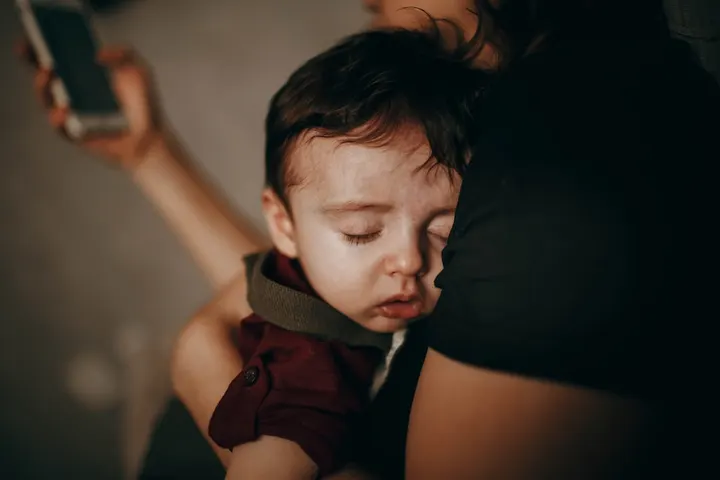
Parenting is a journey filled with immense joy, but also with moments that test our patience and understanding. One of the most common and often challenging experiences for parents is witnessing a child’s anger. Whether it's a toddler throwing a toy across the room, a school-aged child yelling in frustration, or a teenager slamming a door, these outbursts can leave us feeling helpless, frustrated, and even guilty. We might question if we’re doing something wrong or if our child is struggling more than others. Rest assured, you are not alone in navigating these emotional storms, and understanding how to handle a child's anger is a vital skill for every parent.
It's natural to feel concerned when your child exhibits intense anger, especially when it seems disproportionate to the situation. Our primary instinct is to protect our children, and sometimes their anger feels like an insurmountable barrier. However, these moments, while difficult, are also powerful opportunities for connection and learning. By approaching these situations with empathy and a strategic plan, we can guide our children toward healthier emotional expression and build stronger, more resilient family relationships.
Why it happens
Childhood anger, while often unsettling, is a normal and healthy human emotion. It's an innate response to feeling threatened, frustrated, or misunderstood. For children, especially younger ones, anger often stems from their developmental stage and their still-developing ability to articulate complex feelings or cope with unmet needs.
According to the World Health Organization (WHO, 2018), healthy emotional development includes learning to recognize, understand, and manage a wide range of emotions, including anger. Young children, particularly those under five, have limited verbal skills and impulse control. When they feel overwhelmed, angry outbursts can be their primary way of communicating distress, frustration, or discomfort. They might not yet have the cognitive tools to say, 'I'm upset because my tower fell down' or 'I feel left out.' Instead, they might hit, kick, or scream.
As children grow, the sources of anger can evolve. School-aged children might experience anger due to social conflicts, academic pressure, feelings of injustice, or difficulty with problem-solving. Teenagers, navigating hormonal changes and increasing independence, might express anger in response to perceived unfairness, a lack of control, or feelings of inadequacy. The developing prefrontal cortex, responsible for executive functions like planning and emotional regulation, isn't fully mature until early adulthood, meaning children and adolescents are still learning how to manage intense feelings effectively (Giedd et al., 1999).
Additionally, external factors can play a significant role. Stressors such as family changes, sleep deprivation, hunger, overstimulation, or even exposure to others expressing anger can trigger or exacerbate a child's angry reactions. Understanding these underlying causes helps us move beyond simply wanting the behavior to stop, towards a more empathetic and effective approach to supporting our children.
The consequences if left unaddressed
Ignoring or consistently mismanaging a child's anger can have both short-term and long-term consequences for their well-being and development. In the short term, unchecked anger can lead to frequent conflicts within the family, strained peer relationships, and difficulty in school settings. Children might resort to aggression, damaging property, or withdrawing, which can isolate them further.
Over time, if children do not learn healthy ways to process and express anger, they may develop chronic issues. This can manifest as anxiety, depression, low self-esteem, or a tendency to internalize feelings, leading to emotional difficulties. Conversely, it can also lead to a pattern of externalizing behavior, where anger consistently escalates into aggression or defiant conduct, impacting their ability to form positive relationships and succeed academically and socially.
Research suggests that a lack of emotional regulation skills in childhood can be a predictor of difficulties in adolescence and adulthood, including challenges with impulse control, substance use, and mental health issues (Eisenberg et al., 2007). Learning to manage anger is not about suppressing the emotion, but about equipping children with the tools to understand, process, and respond to their anger in a constructive manner, protecting their mental health and fostering resilience.
What the science says
Neuroscience and child psychology provide strong evidence that emotional regulation is a learned skill, not an inherent trait. Dr. Daniel Siegel, a clinical professor of psychiatry, emphasizes the importance of 'name it to tame it' – helping children identify and label their emotions to gain control over them (Siegel & Bryson, 2011). This concept is rooted in the understanding that bringing conscious awareness to an emotion can help move it from the reactive, primal brain to the more rational, reflective parts of the brain.
A study published in Child Development by Eisenberg et al. (2001) highlighted that parental emotional expressiveness and reactions to children's negative emotions significantly influence children's emotion regulation abilities. When parents respond with support and teach coping mechanisms, children tend to develop healthier regulation skills. Conversely, dismissive or punitive parental responses can hinder this development.
Furthermore, research from the American Psychological Association (APA, 2023) consistently points to the effectiveness of teaching problem-solving skills and self-regulation techniques as crucial for managing childhood aggression. This involves helping children understand triggers, developing alternative responses to anger, and practicing communication skills during calm periods. These approaches move beyond simply stopping the behavior to addressing the underlying emotional and cognitive processes.
Practical step-by-step strategies
Addressing a child's anger requires a consistent, empathetic, and strategic approach. Here's a proven strategy broken down into actionable steps:
1. Stay Calm and Regulate Your Own Emotions
When your child is angry, it's incredibly easy to get caught up in the emotional whirlwind yourself. However, your calmness is the most powerful tool you have. Take a deep breath, pause, and consciously lower your voice and body language. Children are highly attuned to parental emotions, and if you become agitated, it will only escalate their anger. As the Child Mind Institute (2016) suggests, staying calm models the very behavior you want your child to learn, creating a safe space for them to eventually regulate.
Remember that your child is likely feeling overwhelmed, not intentionally trying to be difficult. Respond with empathy, acknowledging their feelings without necessarily condoning their behavior. Phrases like, 'I can see you're really upset right now' can validate their experience and help them feel understood, laying the groundwork for de-escalation.
2. Identify and Validate the Emotion
Once you are calm, help your child identify what they are feeling. For younger children, this might involve pointing to an emotion chart or offering simple words like 'sad,' 'frustrated,' or 'angry.' For older children, encourage them to articulate their feelings without judgment. The goal here is not to solve the problem immediately, but to help them connect with and name their internal experience.
Validating their emotions does not mean agreeing with their actions. You can say, 'It's okay to feel angry when your game doesn't work, but it's not okay to throw the controller.' This distinction is crucial: it separates the acceptable emotion from the unacceptable behavior, teaching them that all feelings are valid, but actions must be managed appropriately. This step is fundamental to building emotional intelligence and helps them feel seen and heard.
For more insights on connecting with your child's feelings, explore the Nami Kids learning hub.
3. Teach and Practice Coping Strategies
After the initial storm has passed and your child is calmer, this is the 'teachable moment.' This is when you can introduce and practice healthy coping strategies for anger. These strategies should be tailored to your child's age and preferences, and practiced regularly when they are not angry, so they become second nature.
Some effective strategies include deep breathing exercises (e.g., 'balloon breathing' where they pretend to inflate a balloon with their breath), counting to ten, taking a 'calm-down' break in a designated quiet space, using a stress ball, drawing their feelings, or engaging in physical activity. For an aggressive child, it might also involve safe physical outlets like punching a pillow or stomping their feet in a controlled way. The NHS (2021) recommends encouraging children to identify physical signs of anger early on (fast heart rate, tense muscles) so they can employ these strategies proactively.
4. Problem-Solve and Set Boundaries (After the Calm)
Once your child has successfully used a coping strategy and is calm, you can then address the trigger and the problematic behavior. This isn't about punishment, but about guiding them towards more effective problem-solving and reinforcing boundaries. Ask open-ended questions like, 'What could we do differently next time when you feel that angry?' or 'How can we fix what happened?' This fosters a sense of responsibility and empowers them to find solutions.
Clearly communicate expectations and consequences for unacceptable behaviors, ensuring they are logical and consistent. For instance, if a toy was thrown and broken, a consequence might involve helping to repair it or understanding it's no longer usable. This helps children learn natural consequences and reinforces the idea that their actions have an impact. Consistency is key here; children thrive on predictable boundaries and understanding what to expect.
If you're looking for more guidance on setting healthy boundaries, Nami Kids offers a wealth of resources.
When to seek a professional
While anger is a normal emotion, there are times when a child's anger may indicate a deeper issue that requires professional support. It's important for parents to recognize these signs and know when to seek help from a pediatrician, child psychologist, or therapist.
Consider seeking professional guidance if your child's anger:
- Is persistent, intense, and disruptive to their daily life at home, school, or with friends.
- Involves frequent aggression towards others (hitting, kicking, biting) or themselves.
- Results in destruction of property on a regular basis.
- Is accompanied by other concerning behaviors, such as extreme sadness, withdrawal, anxiety, difficulty sleeping, or changes in eating habits.
- Does not respond to consistent parenting strategies over several months.
- Causes you or other family members to feel unsafe or constantly stressed.
- Seems to be linked to a traumatic event or significant life change they are struggling to process.
A professional can help identify underlying causes such as anxiety, depression, ADHD, learning differences, or other developmental considerations. They can also provide individualized strategies, therapy, and support for both the child and the family, offering specialized tools and perspectives that can make a profound difference in managing challenging emotions.
Key Takeaways:
✔️ Anger is a normal emotion, and children need guidance to express it healthily.
✔️ Your calm response is the most powerful tool in de-escalating your child's anger.
✔️ Teach and practice coping strategies proactively to build emotional resilience.
Related articles
- How to Teach Kids About Money: A Proven Allowance Guide
- How to Block Adult Sites on Your Child's Phone
- 5 Mistakes Parents Make with Homework: Proven Fixes
Frequently asked questions
How to handle an angry, aggressive child?
Handling an angry, aggressive child requires a multi-faceted approach focused on safety, de-escalation, and teaching. First and foremost, ensure everyone's safety by creating physical space or gently guiding your child to a safe area if aggression is present. Maintain a calm demeanor yourself, as your emotional state significantly influences theirs. Validate their underlying emotion ('I see you're very angry') without condoning the aggressive behavior ('but hitting is not okay'). Once calm, help them identify the trigger and explore alternative, healthy ways to express their anger, such as deep breaths, punching a pillow, or drawing their feelings. Consistent boundaries and clear consequences for aggression, coupled with positive reinforcement for calm communication, are essential.
My 3-year-old is throwing things when they are angry. What should I do?
When a 3-year-old throws things out of anger, it's often a sign of overwhelming frustration coupled with limited verbal skills and impulse control. During the moment, calmly and firmly intervene to prevent harm or damage. You might say, 'I see you're angry, but we don't throw toys. Toys are for playing.' Remove the object or gently move your child to a 'calm-down' space. After they've regulated, talk about what happened in simple terms. Help them find words for their feelings and suggest alternatives to throwing, such as stomping feet, hugging a soft toy, or asking for help. Consistency in reinforcing these alternative behaviors and ensuring they don't get what they want by throwing things is crucial for them to learn more appropriate coping mechanisms.
What are some effective coping strategies for a child who is angry?
Effective coping strategies for an angry child vary by age and individual preference, but generally focus on self-regulation and healthy expression. These can include deep breathing exercises (like 'smell the flower, blow out the candle'), progressive muscle relaxation (tensing and releasing muscles), counting slowly, or taking a 'calm-down break' in a designated quiet corner. Physical outlets such as jumping, running, or squeezing a stress ball can be helpful. Creative expressions like drawing, journaling, or listening to music can also provide release. For some children, talking to a trusted adult, using 'I feel' statements, or practicing problem-solving steps are effective. The key is to introduce and practice these strategies when the child is calm, so they can access them during moments of anger.
How to calm down an angry 3 year old?
Calming an angry 3-year-old often involves a combination of validation, redirection, and gentle guidance. Start by getting down to their eye level and speaking in a soft, calm voice. Acknowledge their emotion ('You're feeling very mad right now!') without judgment. Offer a comforting touch if they are receptive, like a hug or holding their hand. You can gently redirect their focus to a calm-down activity, such as looking at a favorite book, playing with playdough, or simply sitting quietly with you. Avoid lecturing or trying to reason with them while they are in the throes of anger. Once they begin to calm, you can gently prompt them to identify why they were upset and offer simple solutions or comfort. Consistency and patience are vital when helping a young child learn to regulate their strong emotions.
Is it normal for a child to get angry often?
It is normal for children to experience anger, and occasional outbursts are a natural part of their emotional development, especially when they are learning to communicate and regulate their feelings. However, if a child is getting angry very frequently, intensely, or in ways that disrupt their daily life, school, or relationships, it might indicate that they need additional support. Factors like developmental stage, stress, unmet needs, or underlying emotional challenges can contribute to frequent anger. Observing patterns, identifying triggers, and consistently applying supportive strategies are key. If persistent, professional guidance can help distinguish normal emotional expression from signs of a deeper issue.
Navigating your child's anger can feel daunting, but it's an integral part of their emotional development. By understanding the roots of their anger, responding with empathy and calm, and consistently teaching healthy coping strategies, you are equipping them with invaluable life skills. Remember, every challenging moment is an opportunity to strengthen your bond and guide your child toward becoming an emotionally resilient individual. You are doing important work, and your consistent love and support make all the difference.
Foto di Helena Lopes su Unsplash.