Child Won't Eat: 5 Common Mistakes to Avoid (and How to Bring Calm Back to the Table)
Is your child fussy at the table and won't eat? Discover the 5 most common mistakes parents make and effective strategies to turn meals into moments of joy and connection. Bring calm back to the table.
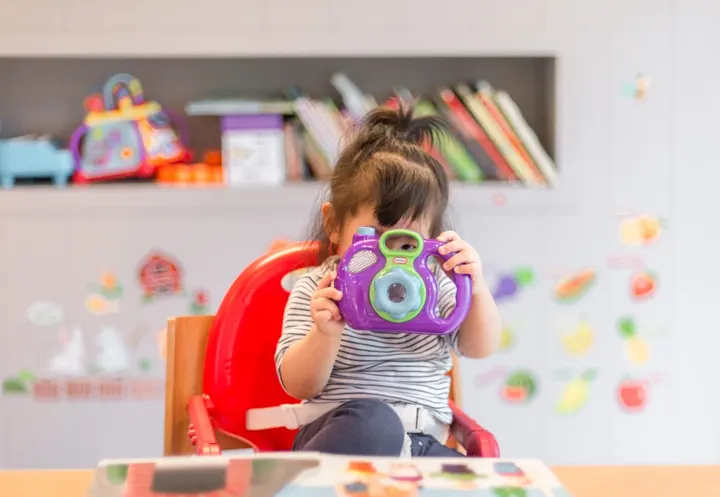
How many times have you found yourself staring at your child's untouched plate, caught between frustration, worry, and the nagging feeling that you have somehow failed? It is a familiar scene in countless homes: the child who refuses food, makes a fuss, gets distracted, or simply "isn't hungry". A moment that should be about sharing and nourishment often turns into a battlefield, testing parents' patience and the whole family's calm. But what is really going on when a child won't eat?
Key points for a calmer table:
- ✅ Recognise and respect your child's hunger and fullness signals.
- 🛡️ Create a calm environment, free from pressure and digital distractions.
- 📖 Involve your child and build positive routines that encourage independence.
The Dinner Table: Battlefield or Place of Calm?
It is easy to fall into the trap of anxiety when your child refuses food. We worry they won't grow enough, that they aren't getting the nutrients they need, and our concern can quickly turn into pressure. But as experts remind us, a degree of pickiness or low appetite is completely normal in child development. Children, just like adults, do not eat the same amount every day and can have days when they are simply less hungry. The key is understanding that our attitude can make the difference between making the problem worse and resolving it.
Often, a refusal hides a deeper need: a desire for independence, a bid for attention, tiredness, or simply the need to explore the world in their own way. Recognising these signals is the first step toward turning mealtimes from a source of stress into a moment of connection.
The 5 Common Mistakes That Turn Mealtimes Into Stress
Looking at the experiences of many parents and the advice of specialists, a few behavioural patterns stand out that, however well intentioned, tend to make things worse. Avoiding them is essential to bringing calm back to the table.
Mistake 1: Forcing your child to eat or pushing too hard
Pressure is the number one enemy of a calm table. "Just one more bite", "finish everything", "you're not getting up until you eat": phrases like these build a negative association with food and with the meal itself. The child learns to eat to please you, not because they are hungry, and gradually loses the ability to recognise their own fullness signals.
💡 Nami tip: Respecting your child's responsibility to decide how much to eat is crucial. The parent offers the food, the child decides the amount. If they are not hungry, do not force them. A healthy child will never let themselves go hungry.
Mistake 2: Turning the table into a circus of distractions
TV on, tablet in hand, toys on the table: distractions stop the child from focusing on the food and on the meal. Eating becomes a secondary activity, and the child often gets up not because they are full, but out of boredom or to get back to their favourite stimuli.
💡 Nami tip: Create a calm, shared environment. The goal is to be at the table because it is nice to be together. Remove screens and encourage conversation, making the meal a social and pleasant experience.
Mistake 3: Offering instant alternatives or food rewards
"If you don't eat your vegetables, no dessert!" or "If you don't like this, I'll make you plain pasta". These approaches teach the child that refusing gets them what they want, or that food is a bargaining tool. The relationship with food becomes distorted and pickiness is reinforced.
💡 Nami tip: Introduce new foods patiently, even 10 to 15 times before they are accepted. Do not offer an instant alternative if the main meal is refused. The child will learn that the food on offer is the food that is there.
Mistake 4: Not involving your child in preparation
Children are naturally curious. Leaving them completely out of the cooking process makes them less likely to try what they do not know. Food becomes something imposed rather than something explored.
💡 Nami tip: Involve your child in small age-appropriate tasks: washing the vegetables, setting the table, choosing an ingredient. This builds their sense of independence and makes them more interested in the meal.
Mistake 5: Ignoring the context and their emotional needs
The child who eats everything at nursery but nothing at home is a classic. It is not a mystery, it is a matter of context: less pressure, the example of other children, clear rules. At home, emotional entanglement can raise the tension.
💡 Nami tip: Watch your child. Are they tired? Have they had a hard day? Fussiness at the table can be a sign of distress. Lower your expectations about portions and shift the focus to exploring: "Have a taste and tell me what you think".
Bringing Calm Back to the Table: Strategies That Work
The parent's job is to offer healthy, varied meals in a relaxed and regular atmosphere. The child's job is to decide whether and how much to eat. This division of responsibility is the foundation of a healthy relationship with food.
- Build a positive routine: Set regular mealtimes and use a timer for little ones (5 to 10 minutes) to teach the ritual of sitting at the table, with no obligation to eat. The goal is sharing.
- The power of one plate and variety: Offer a plate that contains something your child already likes alongside a small portion of a new food. You can pair a new vegetable with a small piece of fruit or a biscuit to create a positive association.
- Eat together: Be a model. Children learn by watching. Sharing the same menu (with safe textures for the youngest) encourages them to try and to feel part of the group.
Often, difficulty focusing at the table or excessive irritability can be symptoms of a day that has been too full of stimulation, including digital stimulation. An overstimulated child is a child more prone to fussiness, at the table too. If screen battles are part of your evenings, our guides on reducing screen time without fights and handling tablet tantrums without drama pair well with the mealtime strategies above.
Nami Kids helps you restore a healthy balance. With its protection features and the Narrative Pedagogical Pauses, time spent in front of the screen becomes a controlled, enriching experience rather than a source of overload. Picture it: fewer meltdowns in front of the tablet means more energy and calm for the family meal. Nami's slow-paced stories, built around themes like emotions, help your child wind down from excessive visual stimulation and reconnect with the real world and with you. And with offline tasks, you can turn time away from the screen into moments of independence and participation, like helping to set the table or choosing a vegetable for dinner. A child who is calmer digitally is a child who is calmer at the table, ready to enjoy time together as a family.
Bringing calm back to the table is a journey that takes patience, trust, and consistency. By removing the pressure, creating a positive environment, and trusting your child, meals can go back to being moments of joy and connection. Remember, a hungry child will never let themselves go hungry, and a calm child is a child who is more open to new experiences, including new foods.
Frequently Asked Questions
Is it normal for my child to refuse certain foods?
Yes, it is completely normal. Children go through phases of food pickiness. Keep offering the refused foods patiently, without forcing, and set a good example by eating them yourself.
What do I do if my child gets up from the table before finishing?
If your child has eaten enough or is no longer hungry, let them get up. Forcing them to stay seated can cause boredom and tension. Explain that the meal is over and that they will eat again at the next set mealtime.
How can I make mealtimes more interesting for a child who won't eat?
Involve them in choosing and preparing the food, make dishes colourful and fun, and above all make the meal a pleasant time of conversation and family sharing, with no pressure around the food itself.