Child Jealous of New Baby: 7 Secrets for a Smooth Transition
Welcoming a new baby is joyous, but an older child's jealousy can be challenging. Learn 7 secrets to foster sibling love and ensure a smooth family transition.
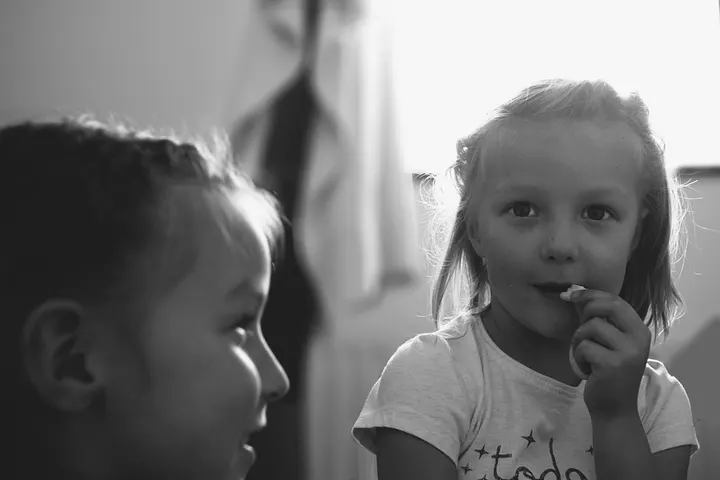
The arrival of a new baby is a monumental, joyous occasion, filling homes with new smells, tiny clothes, and the soft coos of an infant. It’s a time of immense love, wonder, and often, a whirlwind of adjustments for the entire family. Yet, amidst the excitement, many parents find themselves grappling with an unexpected, often heartbreaking challenge: an older child jealous of new baby. This isn't a reflection of your parenting, but a natural, complex emotional response from a child whose world is suddenly shifting.
It’s perfectly normal to feel a mix of emotions – from the overwhelming love for your newborn to the concern and even guilt over your older child’s struggles. You might witness tantrums, regressions, or a sudden withdrawal from the child who was once the centre of your universe. This period can be incredibly stressful, leaving parents exhausted and unsure how to navigate the delicate balance of nurturing a newborn while reassuring an older sibling. But rest assured, you are not alone, and this phase is manageable. With understanding, empathy, and the right strategies, you can transform potential sibling rivalry into a foundation for a loving, lifelong bond. This article will unveil 7 secrets to help you achieve a smooth transition for your family, fostering an environment where every child feels cherished and secure.
The Problem: Understanding Sibling Jealousy in the Face of a New Arrival
When a new baby joins the family, the older child's world undergoes a seismic shift. What was once their exclusive domain – your attention, time, and affection – must now be shared. This isn't a minor change; for a young child, it can feel like a profound loss, a dethronement from their cherished position.
One primary reason for sibling jealousy is the sudden loss of exclusive parental attention. Before the baby, the older child was likely the sole recipient of your cuddles, stories, and playtime. Now, a significant portion of your energy is directed towards the demanding needs of a newborn. This can lead to feelings of being overlooked, unloved, or even replaced. For a child, especially a toddler or preschooler, their understanding of love and attention is often quantitative – if you're giving it to someone else, there must be less for them.
Beyond attention, the entire family dynamic shifts. Routines change, sleep patterns are disrupted, and even the physical space of the home might be reconfigured to accommodate the new arrival. A child's sense of predictability and security can be shaken. They might not fully grasp why the baby needs so much care, viewing the newborn as an intruder rather than a new family member. Child development experts widely acknowledge that these feelings are a natural and expected part of adjusting to a new sibling, with studies suggesting that up to 80% of older siblings experience some form of jealousy or rivalry after a new baby arrives. It's not a sign of a 'bad' child or 'bad' parenting, but a normal developmental response to a significant life event.
Furthermore, the older child's developmental stage plays a crucial role. Toddlers and preschoolers are often egocentric, meaning they struggle to see situations from another's perspective. They can't comprehend the baby's helplessness or the sheer effort involved in newborn care. Their world revolves around their own needs and desires, making it difficult to empathise with the baby or understand why their parents are so preoccupied. This combination of perceived loss, disrupted routine, and developmental limitations creates a fertile ground for jealousy to sprout.
Consequences of Unaddressed Jealousy: Ripple Effects on Family Life
While sibling jealousy is a normal phase, if left unaddressed, its consequences can extend beyond temporary tantrums, impacting the older child's emotional well-being, their relationship with the new baby, and the overall family harmony. Recognising these potential ripple effects can motivate parents to proactively implement strategies for a smoother transition.
Behavioral Regressions: A Cry for Attention
One of the most common manifestations of sibling jealousy is behavioural regression. An older child might revert to behaviours they had long outgrown, such as bedwetting, thumb-sucking, or using baby talk. These are often unconscious attempts to reclaim the attention and care they associate with being a baby, believing that if they act like the newborn, they will receive the same level of parental focus. They might also exhibit increased defiance, clinginess, or aggression towards parents or even the baby. These behaviours, while challenging for parents, are essentially a cry for help and reassurance, a desperate plea to be seen and loved amidst the changes.
Beyond regression, some children may seek negative attention, understanding that even a scolding is a form of engagement. This can manifest as deliberately breaking rules, being disruptive, or constantly interrupting. While frustrating, it's crucial for parents to remember that the underlying motivation is often a feeling of displacement and a need for connection, rather than malicious intent. Responding to these behaviours with understanding, while setting firm boundaries, is key to helping the child feel secure.
Emotional Turmoil: The Older Child's Inner World
The internal emotional landscape of a jealous older child can be turbulent. They may experience heightened anxiety, sadness, and even depression. Some children become withdrawn, quiet, and less engaged in activities they once enjoyed. They might struggle with feelings of resentment towards the baby, which can be confusing and guilt-inducing for them, as they are also taught to love their new sibling. This internal conflict can be overwhelming for a young mind, impacting their self-esteem and sense of belonging within the family.
These intense emotions can also affect their social interactions outside the home, leading to difficulties with friends or at school/nursery. A child grappling with feelings of inadequacy or anger at home may struggle to regulate their emotions in other settings. Providing a safe space for them to express these complex feelings, without judgment, is vital for their emotional development and helps them process this significant life change in a healthy way.
Strained Family Dynamics: Ripple Effects
The stress of managing a newborn combined with an older child's jealousy can place immense strain on parents. Exhaustion, coupled with the emotional demands of both children, can lead to increased parental stress, arguments between partners, and a general feeling of being overwhelmed. This heightened tension can create a less harmonious home environment, making the adjustment period even more challenging for everyone involved. Parents might also find it harder to bond with the new baby if they are constantly preoccupied with the older child's needs or guilt.
Furthermore, unaddressed jealousy can lay the groundwork for long-term sibling rivalry. While some rivalry is normal, persistent feelings of resentment and competition can negatively impact the sibling relationship for years to come. Fostering a positive relationship from the outset, by acknowledging and addressing the older child's feelings, is crucial for building a foundation of love, respect, and mutual support between siblings as they grow. Investing time and effort in this transition now can yield significant benefits for the entire family's future well-being.
7 Secrets to a Smooth Transition: Nurturing Sibling Love
Navigating the arrival of a new baby while supporting an older child through their feelings of jealousy requires a thoughtful, empathetic, and proactive approach. These seven secrets offer practical strategies to ease the transition, foster a strong sibling bond, and help your older child embrace their new role with confidence and love.
Secret 1: Prepare Them Early and Involve Them
Preparation is key. Begin talking about the new baby well before their arrival, using age-appropriate language. Explain what's happening to your body and what a baby is like. Read books about becoming a big brother or sister, which can help normalise their feelings and introduce the concept of a new family member. Involve them in practical preparations, such as helping to choose baby clothes, decorating the nursery, or even packing the hospital bag. This inclusion makes them feel like an important part of the process, rather than an outsider to a secret.
When the baby arrives, ensure the first meeting is special. If possible, have the older child visit you and the baby at the hospital. When you bring the baby home, make sure your older child is greeted first, perhaps with a big hug, before the baby is introduced. This reinforces their primary position in your heart. Let them touch the baby gently, under supervision, and talk about how tiny and delicate the baby is. The more involved and informed they feel, the less likely they are to view the baby as a threat.
Secret 2: Validate Their Feelings, All of Them
It's crucial to acknowledge and validate all of your older child's emotions, even the negative ones. Phrases like, 'It's hard when Mummy is busy with the baby, isn't it?' or 'I know you sometimes feel frustrated when the baby cries' can make them feel seen and understood. Avoid dismissing their feelings with statements like, 'Don't be silly, you love your sister!' Instead, create a safe space for them to express anger, sadness, or jealousy without judgment. This teaches them that all emotions are acceptable, and that you are there to support them through difficult feelings.
Reassure them constantly of your unchanging love and the special place they hold in your family. Remind them of all the things you love about them and the unique bond you share. This validation helps them process their emotions in a healthy way and reduces the likelihood of these feelings festering or manifesting in challenging behaviours. An acknowledged emotion loses much of its power to overwhelm.
Secret 3: Prioritise One-on-One "Special Time"
Amidst the demands of a newborn, dedicated one-on-one time with your older child is paramount. Even short, consistent bursts of uninterrupted attention can make a huge difference. This could be 10-15 minutes each day where you engage in an activity of their choice – reading a book, building with blocks, or simply chatting. During this 'special time', put away your phone and give them your full, undivided attention. This reinforces their importance and reminds them that they still have a unique and cherished connection with you.
If you have a partner, take turns caring for the baby to allow each parent to have this individual time with the older child. Even when you're busy with the baby, you can find small ways to connect, like singing a special song together or having a secret handshake. These small gestures accumulate, building a strong sense of security and love in your older child, helping them feel less displaced by the new arrival.
Secret 4: Empower Them as the "Big Helper"
Give your older child age-appropriate 'baby jobs' to empower them and foster a sense of responsibility and pride. This could be fetching a clean diaper, choosing the baby's outfit for the day, singing a lullaby, or helping to push the pram. Even simple tasks make them feel involved and important. Praise their efforts enthusiastically, highlighting their new role as a 'big brother' or 'big sister'. Phrases like, 'You're such a wonderful helper!' or 'The baby loves it when you sing to them!' can boost their self-esteem and create positive associations with the newborn.
Supervise interactions closely, especially with toddlers, to ensure the baby's safety and to guide gentle touches. By framing these interactions as opportunities for them to teach, care for, and bond with their new sibling, you help them develop a protective and loving attitude rather than a resentful one. This involvement transforms the baby from a competitor into a shared project, a little person they can help nurture.
Secret 5: Maintain Routines and Predictability
Children thrive on routine and predictability, which provide a sense of security and control. While some disruptions are inevitable with a newborn, try to maintain as many of your older child's established routines as possible. Stick to their usual bedtimes, meal schedules, and playtimes. If changes are necessary, explain them clearly and in advance, giving your child time to adjust. For instance, if their nap time needs to shift, discuss it with them and explain why.
A consistent routine helps your older child feel that their world hasn't completely turned upside down. It signals that while a new baby has arrived, their fundamental needs and the structure of their day are still important. This stability can significantly reduce anxiety and feelings of chaos, allowing them to better adapt to the new family dynamic. Nami Kids can be particularly helpful here, allowing you to set 'Autonomy Routines' for their screen time, ensuring a predictable schedule even when your hands are full.
Secret 6: Gifts and Positive Associations
Create positive associations with the new baby through thoughtful gestures. A popular strategy is to have a 'gift from the baby' for the older sibling when they first meet. This could be a special toy, a book, or a doll that they can use to 'parent' their own baby. This gesture helps to soften the initial impact of the baby's arrival and makes the older child feel special and remembered.
Additionally, when friends and family visit, gently suggest that if they bring a gift for the baby, a small token for the older child would also be appreciated. This prevents the older child from feeling overlooked during gift-giving moments, which can be a significant source of jealousy. These small acts of recognition reinforce their value and help them associate the new baby with positive experiences rather than just loss or competition.
Secret 7: Manage Expectations and Be Patient
Adjusting to a new sibling is a process, not an event, and it takes time. Manage your own expectations and understand that there will be good days and challenging days. Regression, tantrums, and expressions of jealousy are normal parts of this adjustment. Respond with patience, empathy, and consistent love, rather than punishment. Remember that your child is navigating a huge emotional landscape, and they need your unwavering support.
Also, remember to practice self-care. You cannot pour from an empty cup. Seek support from your partner, family, or friends. Give yourself grace during this demanding period. Your patience and understanding will be the most powerful tools in helping your older child adapt, eventually fostering a beautiful and enduring sibling bond. The goal isn't to eliminate jealousy entirely, but to teach your child how to process and express these complex emotions in healthy ways.
How Nami Kids Supports Your Family's Transition
In the midst of welcoming a new baby and navigating the emotional landscape of an older child, parents often find themselves stretched thin. Managing screen time for the older sibling can become another source of stress, especially when your attention is constantly divided. This is where Nami Kids steps in as a supportive partner, helping you maintain structure and peace for your older child, even when your hands are full with the newborn.
Nami Kids offers powerful features that can significantly ease this transition. Our Autonomy Routines allow you to set predictable schedules for your older child's screen time. This means that even if you're busy feeding the baby or changing a diaper, your older child knows exactly when they can use their tablet and for how long. This predictability provides a crucial sense of security and control for them, reducing potential meltdowns and giving them a consistent structure during a time of change. It also frees you from constant monitoring, allowing you to focus on the baby without guilt or worry about your older child's digital habits. Discover how Nami Kids can bring more harmony to your home by visiting namikids.app/come-funziona or explore our detailed guide at namikids.app/guida.
Furthermore, Nami Kids' Category Limits enable you to guide your child towards balanced screen time. You can set limits on specific app categories, ensuring they don't spend all their time on games but also engage with educational content or creative apps. This encourages a healthier digital diet and promotes other activities, which is vital for their development and for preventing excessive screen use when parents are otherwise occupied. By gently guiding their digital choices, Nami Kids helps prevent the older child from feeling neglected and resorting to endless screen time as an escape.
Finally, the Nami Parents Dashboard provides you with a clear overview and easy control over your older child's digital world. From a single, intuitive interface, you can manage settings, view activity, and adjust routines as needed. This peace of mind is invaluable during the demanding newborn phase. Knowing that Nami Kids is helping to manage your older child's screen time responsibly allows you to dedicate more mental and physical energy to both your children, fostering a smoother, less stressful transition for the entire family. Learn more about our plans and pricing at namikids.app/prezzi.
Key Takeaway
- 👶 Embrace all emotions, yours and theirs, as a normal part of adjustment.
- 💖 Nurture individual bonds and involve your older child in the new family dynamic.
- ✨ Patience, consistency, and supportive tools like Nami Kids pave the way for lasting sibling love.
Related articles
- Why is my child so disrespectful? Finally, the real answers!
- The Importance of Play in Children's Learning
- My Child Is Aggressive: A Parent's Complete Guide
Frequently asked questions
What is the 7 7 7 rule in parenting?
The 7-7-7 rule in parenting is a simple yet powerful strategy designed to foster consistent connection and communication within the family. It suggests dedicating at least 7 minutes of focused, one-on-one time with each child in the morning, 7 minutes in the afternoon, and 7 minutes before bedtime. This doesn't have to be elaborate; it could be reading a book, playing a quick game, or simply having a meaningful conversation. The essence of the rule is to provide predictable, dedicated moments of undivided attention, which is especially crucial when a new baby arrives and parental attention is naturally fragmented. For an older child adjusting to a new sibling, these consistent bursts of 'special time' reinforce their importance and help them feel seen and loved, mitigating feelings of jealousy and displacement.
What to do when a child is jealous of a newborn?
When a child exhibits jealousy towards a newborn, a multi-faceted approach rooted in empathy and proactive strategies is most effective. First, praise and positive reinforcement are vital. Whenever you observe your older child interacting gently with the baby, make a big fuss. Say, 'I love how gently you're touching your baby sister!' or 'You're such a wonderful big brother for singing to the baby!' This encourages desired behaviours. Second, make a big deal about their new, important role as the 'older brother' or 'older sister,' highlighting the privileges and responsibilities that come with it. Third, ensure you continue to give your older child plenty of hugs, kisses, and verbal affirmations of your love, telling them how proud you are of them. Fourth, be mindful of your words; don't blame everything on the baby (e.g., 'We can't go to the park because the baby needs to sleep'). Instead, frame it neutrally or offer alternatives (e.g., 'We'll go to the park later, but first, let's read a book while the baby sleeps'). Finally, involve them in age-appropriate baby care tasks, making them feel like a valued helper rather than an outsider.
What is the 3 6 9 rule for babies?
The 3-6-9 rule, often attributed to French child psychologist Dr. Françoise Dolto, provides guidelines for children's screen time based on developmental stages. It suggests: No screens before age 3, as this period is crucial for brain development through real-world interaction. Limited and supervised screen time between ages 3 and 6, focusing on educational and interactive content, with parents actively engaging alongside the child. Gaming with limits between ages 6 and 9, introducing more complex digital interactions but still with clear boundaries and parental involvement. Finally, social media after age 9, with careful guidance on digital citizenship and online safety. While originally focused on screens, the underlying principle is about ensuring children have ample time for play, social interaction, and real-world exploration, which is especially important for an older child whose routine is disrupted by a new baby. Nami Kids aligns with this philosophy by helping parents manage and balance screen time effectively.
What is the 333 rule for children?
The '333 rule' for children is a guideline promoting balanced daily activities, particularly in relation to screen time. It suggests that children should aim for approximately: 3 hours of screen time (this can vary by age and content, but emphasizes moderation), 3 hours of active play (physical activity, outdoor play, sports), and 3 hours of creative play (art, music, imaginative play, reading, building). This rule encourages a holistic approach to a child's day, ensuring they engage in a variety of activities essential for their physical, cognitive, and emotional development. When a new baby arrives, parents might inadvertently rely more on screens for the older child to keep them occupied. The 333 rule serves as a useful reminder to maintain balance, and tools like Nami Kids can help parents manage the '3 hours of screen time' component effectively, ensuring it remains within healthy limits and doesn't overshadow other crucial developmental activities.
How long does sibling jealousy last?
The duration of sibling jealousy is highly variable and depends on several factors, including the older child's age, temperament, parental strategies, and the overall family environment. For many children, the most intense period of jealousy occurs in the first few months after the baby's arrival, as they adjust to the profound changes. This initial phase might last anywhere from a few weeks to several months. However, some degree of sibling rivalry and occasional jealous feelings can resurface throughout childhood, particularly during developmental milestones or when children perceive an imbalance in parental attention. Consistent application of empathetic strategies, such as dedicated one-on-one time, validation of feelings, and involvement in baby care, can significantly shorten the intense phase and help children develop healthy coping mechanisms for future challenges. It's a journey of adjustment, not a quick fix.
Can a toddler hurt a new baby out of jealousy?
Yes, a toddler or young child can, sometimes unintentionally, hurt a new baby out of jealousy or a lack of understanding. Their actions are rarely malicious in the adult sense, but rather stem from strong emotions they don't yet know how to regulate, curiosity, or a desire for attention. They might push, poke, or grab the baby, or throw objects near them. It's crucial for parents to maintain constant supervision during interactions between the older child and the baby, especially in the early months. Teach gentle touches, model appropriate behaviour, and intervene calmly but firmly if you see any potentially harmful actions. Never leave a young child unsupervised with a newborn. Instead of punishment, focus on redirection, teaching safe ways to interact, and addressing the underlying jealous feelings through reassurance and connection. This vigilance helps ensure the baby's safety while teaching the older child appropriate boundaries.
Should I let my older child 'help' with the baby even if they are clumsy?
Absolutely, yes! Involving your older child in helping with the baby, even if they are a bit clumsy or their 'help' isn't perfectly efficient, is incredibly beneficial for fostering a positive sibling relationship and reducing jealousy. The key is to provide close supervision and choose age-appropriate tasks. For a toddler, 'helping' might mean fetching a clean diaper, handing you a wipe, or singing a song to the baby. For a preschooler, it could be choosing the baby's outfit, helping to push the pram, or gently rocking the baby's bouncy chair. Focus on the effort and the intention, praising their helpfulness and enthusiasm. Frame it as 'You're such a good helper!' rather than focusing on any clumsiness. This involvement makes them feel valued, important, and connected to the new baby, transforming the baby from a rival into a shared family member they can care for. It builds their confidence and encourages a protective, loving bond.
Welcoming a new baby is a beautiful, transformative experience for any family. While the journey may present challenges, particularly when an older child feels jealous, remember that you have the power to guide your family through this transition with love and understanding. By implementing these 7 secrets, you're not just managing a phase; you're building the foundation for a lifelong bond between your children and strengthening your family unit. And for those moments when you need a little extra support in managing your older child's digital world, Nami Kids is here to help, ensuring balance and peace for everyone. Explore how Nami Kids can simplify your parenting journey and bring more harmony to your home today at namikids.app.
Foto di Artyom Kabajev su Unsplash.