How to Help a Stressed Child: 5 Proven Ways That Work
Discover effective strategies to support your child's emotional well-being. This guide covers recognizing stress signs, teaching coping skills, and leveraging digital tools like Nami Kids for a calmer family life.
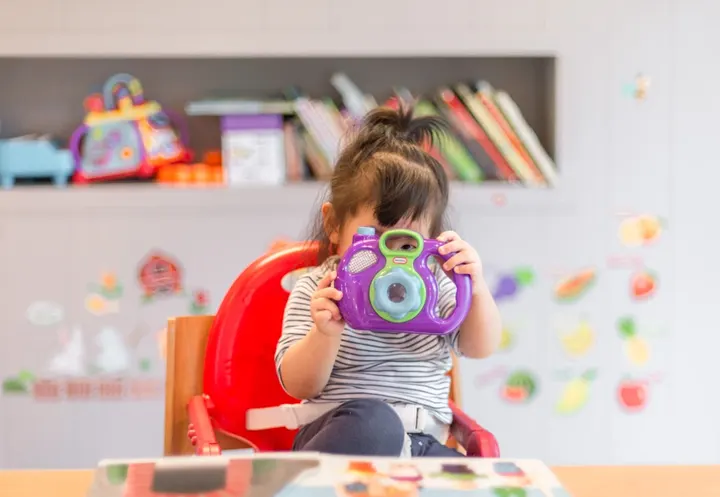
As parents, we often find ourselves navigating a whirlwind of emotions, not just our own, but those of our children. In a world that seems to accelerate daily, it's increasingly common to observe our little ones grappling with feelings of overwhelm, worry, and tension. The innocent joy of childhood can sometimes be overshadowed by pressures from school, social dynamics, and even the digital landscape. If you've ever found yourself wondering how to help a stressed child, you are far from alone. This comprehensive guide will delve into the root causes of childhood stress, help you recognize its subtle signs, and equip you with 5 proven ways that work to foster resilience and emotional well-being in your child.
The journey of parenting is filled with moments of profound connection and joy, but also with challenges that test our patience and understanding. Witnessing your child struggle with stress can be heartbreaking, leaving you feeling helpless or unsure of the best path forward. Our aim at Nami Kids is to empower you with the knowledge and tools to support your child through these difficult times, transforming moments of stress into opportunities for growth and stronger family bonds. Let's explore how we can collectively create a calmer, more secure environment for our children to thrive.
The Rising Tide of Childhood Stress: Understanding the Problem
Stress is a natural human response, a built-in mechanism designed to alert us to challenges and prepare us for action. However, when stress becomes chronic or overwhelming, it can shift from being a helpful signal to a harmful burden, especially for developing minds. Children, much like adults, experience stress, but their developing brains and limited coping mechanisms mean they often process and express it differently.
It's crucial to differentiate between stress and anxiety, though they are closely related. Stress is typically a response to an external cause or 'stressor' – like a big test, a change in routine, or a conflict with a friend. Anxiety, on the other hand, is the body's reaction to stress, often persisting even when the immediate threat is gone, characterized by persistent worries and fears that can interfere with daily life. While some stress can be a positive motivator, helping children focus and achieve goals, prolonged or intense stress can be detrimental.
Recent research paints a concerning picture of rising stress levels among youth. A study published in JAMA Pediatrics in 2022 revealed that between 2016 and 2020, the number of children aged 3 to 17 diagnosed with anxiety grew by 29%, and those with depression by 27%. This data underscores a significant mental health crisis affecting our youngest generations. The American Psychological Association (APA) also highlights that stress is at historic highs, emphasizing the urgent need for healthy coping strategies for children and teens.
Why Are Children More Stressed Today?
The sources of stress in children are multifaceted and have evolved significantly. For young children, tension at home due to family discord, divorce, or loss can be a major stressor. Even seemingly positive changes, such as moving to a new home or welcoming a new sibling, can disrupt a child's sense of security and lead to stress. School-related pressures, including academic expectations, social dynamics, bullying, and tests, are also frequent sources of concern.
Beyond these traditional stressors, modern life introduces new complexities. The pervasive presence of social media, the constant flow of information (and misinformation), and the pressure to maintain a curated online persona can be incredibly taxing for young minds. Pew Research Center findings indicate that 69% of parents and 44% of teens believe being a teenager today is harder than it was two decades ago, citing factors like the pandemic, school safety drills, and social media as significant contributors. The digital world, while offering connectivity, can also be a relentless source of comparison, cyberbullying, and information overload, all contributing to increased stress and anxiety.
Types of Stress in Children
Understanding the different types of stress can help parents respond more effectively:
- Positive Stress: Brief, mild stress that is a normal part of life, like the excitement before a school play or a sports game. It helps children develop resilience and coping skills when supported by caring adults.
- Tolerable Stress: More intense or prolonged stress, such as that caused by the loss of a loved one or a natural disaster. With adequate support from family and community, children can recover from this type of stress.
- Toxic Stress: Prolonged, strong, or frequent adversity without adequate adult support. This can include chronic neglect, abuse, or persistent exposure to violence. Toxic stress can disrupt brain development and lead to long-term physical and mental health problems.
Recognizing the Unseen: Signs and Consequences of Stress in Children
Children aren't miniature adults, and their expressions of stress can be quite different from what we might expect. They may not have the vocabulary to articulate their feelings, leading to behavioral or physical manifestations that can be easily misinterpreted. Recognizing these signs is the first step in providing effective support.
10 Signs of Stress in Children
Here are common indicators that your child might be struggling with stress:
- Emotional Outbursts or Increased Irritability: More frequent tantrums, mood swings, or a shorter temper than usual.
- Changes in Sleep Patterns: Difficulty falling asleep, frequent waking, nightmares, or sleeping significantly more or less than usual.
- Physical Complaints: Frequent stomach aches, headaches, or other unexplained body pains without a clear medical cause.
- Changes in Appetite: Eating significantly more or less than usual, or developing new picky eating habits.
- Withdrawal or Isolation: Retreating from friends, family, or activities they once enjoyed.
- Difficulty Concentrating: Struggling with schoolwork, forgetting things, or being easily distracted.
- Regressive Behaviors: Reverting to younger habits like thumb-sucking, bed-wetting (after being potty-trained), or increased clinginess.
- Increased Fears or Worries: Developing new anxieties, such as fear of the dark, being alone, or separation anxiety.
- Acting Out or Defiance: Increased disobedience, aggression, or challenging behavior as a way to express internal turmoil.
- Loss of Interest in Activities: Showing apathy towards hobbies, school, or play that they previously found engaging.
Silent Signs Your Child Is Stressed
Sometimes, the signs of stress are more subtle, requiring keen observation from parents. These 'silent signs' can be particularly challenging to identify but are equally important:
- Perfectionism and Over-achievement: A child who constantly strives for flawlessness, fearing failure, may be under immense self-imposed pressure.
- Excessive Self-Criticism: Frequently putting themselves down, expressing feelings of inadequacy, or being overly harsh on their own mistakes.
- Avoidance: Consistently finding excuses to avoid school, social gatherings, or new experiences.
- Changes in Play: Play becoming less imaginative, more rigid, or repetitive, sometimes re-enacting stressful situations.
- Fidgeting or Restlessness: An inability to sit still, constant movement, or nervous habits like nail-biting or hair-twirling.
- Secretiveness: Becoming unusually private about their day, friends, or feelings.
The Long-Term Effects of Parental Stress on Child Development
It's impossible to discuss childhood stress without acknowledging the significant impact of parental well-being. Parents are the primary emotional regulators for their children, and when parents are under chronic stress, it can inadvertently affect their children. The effects of parental stress on child development are well-documented. Children often mirror the emotional states of their caregivers, and a stressed parent may have less emotional bandwidth to provide the consistent support and calm environment a child needs.
Chronic parental stress can lead to:
- Reduced Parental Responsiveness: Stressed parents might be less attuned to their child's cues or needs, potentially missing early signs of distress.
- Increased Irritability: Parental stress can manifest as impatience or anger, creating a tense home environment.
- Inconsistent Discipline: Stress can lead to less predictable or harsher disciplinary approaches, which can be confusing and anxiety-provoking for children.
- Modeling Unhealthy Coping: Children learn by observing. If parents cope with stress in unhealthy ways, children may adopt similar patterns.
Recognizing and addressing 'how to cope with parenting stress' is not a luxury, but a necessity. UNICEF emphasizes that taking time for self-care allows parents to better care for their children, preventing burnout and fostering a more stable emotional climate at home. Resources like a 'stress management for parents PDF' can offer valuable strategies for adult self-care, indirectly benefiting the entire family.
Practical Strategies for Parents: 5 Proven Ways to Help Your Stressed Child
Helping a stressed child requires a multi-faceted approach, combining empathy, practical tools, and a supportive environment. These five proven ways are designed to empower both you and your child to navigate the complexities of stress and build lasting resilience.
Way 1: Foster Open Communication and Active Listening
One of the most powerful tools in your arsenal is the ability to create a safe space where your child feels heard and understood. Often, children don't need you to solve their problems as much as they need you to listen without judgment. This is fundamental to 'how to help a child with stress and anxiety'.
- Be Present and Attentive: When your child wants to talk, put away distractions. Make eye contact and give them your full attention. This signals that their feelings are important.
- Validate Their Feelings: Instead of saying, "Don't worry about it," try, "I can see you're feeling really upset about this, and that's okay." Validating their emotions teaches them that all feelings are acceptable, even difficult ones.
- Ask Open-Ended Questions: Instead of "Did you have a good day?", ask "What was the best part of your day? What was the hardest part?" This encourages more detailed responses and helps them articulate their experiences.
- Avoid Minimizing or Dismissing: What might seem trivial to an adult can be monumental to a child. Avoid phrases like "It's not a big deal" or "You're overreacting."
- Share Your Own Experiences (Appropriately): Briefly sharing a time you felt stressed and how you coped can normalize their feelings and offer a model for problem-solving.
Shaunti Feldhahn, author of For Parents Only, highlights that 74% of teens would be more likely to share if they trust that their parents would not "freak out." Remaining calm yourself is paramount. Your calm demeanor can be a powerful anchor for a child adrift in big emotions.
Way 2: Teach Emotional Regulation and Coping Skills
Children aren't born with a manual for managing intense emotions. It's our role as parents to equip them with practical 'stress management for kids worksheet' type skills they can use when feeling overwhelmed. These strategies help them identify, understand, and respond to their feelings constructively.
- Identify Emotions: Help your child name their feelings. Use emotion charts, books, or simply ask, "Are you feeling sad, angry, frustrated, or worried?" The ability to label an emotion is the first step to managing it.
- Deep Breathing Exercises: Teach simple breathing techniques. The "balloon breath" (imagine your belly is a balloon inflating and deflating) or "smell the flower, blow out the candle" can be very effective. Practice these when calm so they can be used when stressed.
- Mindfulness and Grounding: Introduce simple mindfulness activities, like focusing on one sense at a time (what do you see, hear, feel?). The 3-3-3 rule for anxiety children is an excellent grounding technique: look around and name 3 things you see, listen and name 3 sounds you hear, then move 3 parts of your body (e.g., wiggle fingers, tap foot, nod head). This helps redirect focus from anxious thoughts to the present moment.
- Physical Outlets: Encourage physical activities that release tension. This could be running, jumping, dancing, or even squeezing a stress ball or pounding playdough.
- Creative Expression: Provide opportunities for drawing, painting, writing, or playing music. These outlets can help children process emotions non-verbally.
Practicing these strategies together during calm moments helps children build confidence and gives them tools they can use when stress shows up, as noted by Miami Valley Child Development Centers.
Way 3: Establish Predictable Routines and a Secure Environment
Children thrive on predictability and a sense of security. A chaotic or inconsistent environment can be a significant source of stress. Establishing clear routines and creating a safe, nurturing home environment can dramatically reduce anxiety.
- Consistent Daily Routines: Regular bedtimes, meal times, and activity schedules provide a sense of order and control. Children know what to expect, which reduces uncertainty and anxiety.
- Adequate Sleep: Sleep deprivation can exacerbate stress and anxiety. Ensure your child gets enough restorative sleep for their age. Create a calming bedtime routine.
- Nutritious Diet: A balanced diet supports overall physical and mental health. Limit sugary snacks and processed foods, which can affect mood and energy levels.
- Designate a 'Calm Corner': Create a special space in your home where your child can retreat when feeling overwhelmed. Stock it with comforting items like soft blankets, books, drawing supplies, or sensory toys.
- Limit Over-scheduling: While extracurricular activities are beneficial, too many commitments can lead to burnout. Be mindful of your child's capacity and allow for unstructured downtime.
Even happy changes can be hard on a child, as the APA points out. A new home or a new sibling, while exciting, still represents a disruption to their established world. Providing stability through routines helps them adapt more smoothly.
Way 4: Encourage Healthy Lifestyle Habits and Play
Beyond structured routines, fostering healthy lifestyle habits and prioritizing unstructured play are vital for a child's emotional well-being. These elements are key components of 'how to naturally help kids with anxiety'.
- Physical Activity: Regular exercise is a powerful stress reliever. Encourage outdoor play, sports, or simply family walks. Physical activity helps release endorphins, which have mood-boosting effects.
- Time in Nature: Spending time outdoors, whether in a park, garden, or natural setting, has been shown to reduce stress and improve mood. Encourage exploration and appreciation of the natural world.
- Unstructured Play: Allow for plenty of free play, where children can direct their own activities. This fosters creativity, problem-solving skills, and a sense of autonomy, which are crucial for building resilience.
- Mindful Screen Time: While digital tools can be educational and entertaining, excessive screen time, especially before bed, can disrupt sleep and increase anxiety. Set clear limits and encourage balanced activities.
- Creative Pursuits: Engage your child in hobbies like art, music, building, or storytelling. These activities provide a healthy outlet for self-expression and can be incredibly therapeutic.
KidsHealth emphasizes that positive stress can help children rise to challenges and build resilience. By teaching them how to use positive stress, for example, by preparing for a test or a big game, you empower them to adapt and gain coping skills, rather than doing everything for them.
Way 5: Model Resilience and Self-Care (Parental Role)
Children are keen observers, and they learn a great deal about coping with stress by watching their parents. Modeling healthy stress management and self-care is one of the most impactful ways to support your child's emotional development.
- Manage Your Own Stress: As discussed, parental stress can impact children. Practice your own stress-reducing techniques – whether it's mindfulness, exercise, or connecting with friends. Show your child that it's okay to take a break and care for yourself.
- Talk About Your Feelings (Appropriately): Share your own feelings of frustration or stress in an age-appropriate way, and then demonstrate how you cope. For example, "I'm feeling a bit overwhelmed by work right now, so I'm going to take a short walk to clear my head."
- Practice Self-Compassion: Recognize that parenting is hard, and there's no such thing as a "perfect" parent. Be kind to yourself, and your child will learn to be kind to themselves too.
- Seek Support When Needed: Don't hesitate to reach out to your partner, friends, family, or a professional if you're struggling with stress or burnout. This models healthy help-seeking behavior for your child.
- Reframe Stress: Help your child shift from a "stress hurts" mindset to a "stress helps" mindset. As Big Life Journal suggests, stress can be an impetus for growth if children understand that stressful situations are challenges to overcome and lessons to learn. It's like the immune system; it gets stronger with practice.
By actively demonstrating resilience and self-care, you provide a powerful blueprint for your child, teaching them that navigating challenges is a normal part of life and that they have the inner strength to do so.
How Nami Kids Empowers Children and Parents to Navigate Stress
In today's digital age, screens are an undeniable part of children's lives. While they offer educational and entertainment opportunities, they can also be a significant source of stress and anxiety, contributing to digital overwhelm, comparison, and disrupted routines. Nami Kids is designed to transform your child's digital experience into a positive, enriching one, directly supporting the strategies outlined above to help a stressed child.
Nami Kids is more than just a parental control app; it's a tool for fostering digital well-being and emotional resilience. Here's how our unique features align with proven ways to help your child manage stress:
- Parents schedule mandatory educational breaks during monitored app use, for example every 30 minutes. When the interval is reached, the child must complete the Pedagogical Pause. It does not only start when the daily screen allowance ends. How the Pedagogical Pause works.
- Autonomy Routines: By allowing children to participate in setting their own screen time schedules within safe boundaries, Nami Kids fosters a sense of control and predictability. This aligns perfectly with Way 3 (Establish Predictable Routines and a Secure Environment). When children have a say in their routines, it reduces anxiety stemming from uncertainty and empowers them to manage their time responsibly, promoting a sense of autonomy that is crucial for emotional development.
- Category Limits: Nami Kids allows parents to set limits not just on overall screen time, but on specific app categories. This feature supports Way 4 (Encourage Healthy Lifestyle Habits and Play) by ensuring a balanced digital diet. By limiting time on potentially addictive or anxiety-inducing apps (like social media or certain games) and encouraging educational or creative content, Nami Kids helps prevent digital overload and promotes engagement in diverse, healthier activities.
- Nami Parents Dashboard: For parents, the Nami Parents Dashboard offers invaluable insights into their child's digital habits without being intrusive. This supports Way 5 (Model Resilience and Self-Care) by providing parents with the information they need to make informed decisions calmly and proactively. Understanding usage patterns can reduce parental stress, allowing parents to approach conversations about screen time with greater confidence and less reactivity, thus modeling calm and thoughtful problem-solving.
By integrating Nami Kids into your family's routine, you're not just managing screen time; you're actively building a foundation for emotional intelligence, self-regulation, and resilience in your child. To dive deeper into how Nami Kids works and explore all its features, visit our comprehensive guide at namikids.app/guida. Ready to start your journey towards a calmer digital life? Check out our pricing plans at namikids.app/prezzi.
Key Takeaway:
- 🧘🏾♀️ Childhood stress is rising, but parents can make a significant difference.
- 🗣️ Open communication, emotional skills, and routines are vital tools.
- 📱 Nami Kids helps manage digital life to foster calm and resilience.
Related articles
- My Child Is Aggressive: A Parent's Complete Guide
- Nami Kids vs Kids360: Honest Parental Control Review
- Cyberbullying in Kids Under 12: Complete Parent Guide
Frequently asked questions
How to help a 5 year old with anxiety?
Helping a 5-year-old with anxiety requires a gentle, consistent, and reassuring approach. At this age, anxiety often manifests as separation anxiety, fear of new situations, or specific phobias. Start by validating their feelings: "I see you're feeling scared, and that's okay." Avoid dismissing their fears. Help them name their emotions using simple language. Establish predictable routines, as consistency provides security. Teach simple coping mechanisms like "belly breathing" (placing a hand on their tummy and feeling it rise and fall). Engage in imaginative play to act out fears in a safe way. Gradually expose them to feared situations with your support, celebrating small victories. Limit exposure to overwhelming news or media. Most importantly, provide a consistent source of comfort and reassurance, letting them know you are there to help them feel safe. For digital habits, tools like Nami Kids can help establish predictable routines around screen time, reducing a potential source of anxiety.
What are 5 strategies for managing stress?
Based on the proven ways discussed, here are 5 effective strategies for managing stress, applicable to both children and adults:
- Open Communication and Active Listening: Create a safe space to talk about feelings without judgment. Validate emotions and truly listen to understand the underlying concerns.
- Emotional Regulation and Coping Skills: Teach and practice techniques like deep breathing, mindfulness (e.g., the 3-3-3 rule), and identifying emotions. These skills provide tools to manage overwhelming feelings in the moment.
- Establish Predictable Routines: Consistent schedules for sleep, meals, and activities provide a sense of security and reduce uncertainty, which can be a major stressor.
- Healthy Lifestyle Habits and Play: Prioritize physical activity, time in nature, nutritious eating, and plenty of unstructured, creative play. These elements naturally reduce stress and boost mood.
- Model Resilience and Self-Care: Parents can significantly impact their child's ability to cope by demonstrating healthy stress management, practicing self-compassion, and seeking support when needed.
What is the 3-3-3 rule for anxiety children?
The 3-3-3 rule is a simple yet effective grounding technique designed to help children (and adults) manage anxiety by redirecting their focus from anxious thoughts to their immediate surroundings. When a child is feeling overwhelmed or anxious, guide them through these three steps:
- Look around and name 3 things you see: Encourage them to observe details, like "I see a blue chair, a fluffy cat, and a green plant."
- Listen and name 3 sounds you hear: This could be "I hear the clock ticking, the birds singing, and your voice."
- Move 3 parts of your body: Suggest simple movements like "Wiggle your fingers, tap your foot, and nod your head."
How to naturally help kids with anxiety?
Naturally helping kids with anxiety involves fostering a supportive environment and promoting healthy habits that bolster their emotional resilience without relying on medication. Key natural approaches include:
- Prioritize Sleep: Ensure consistent bedtimes and a calming sleep environment.
- Balanced Nutrition: A diet rich in whole foods, fruits, and vegetables supports brain health and mood regulation. Limit processed foods and excessive sugar.
- Regular Physical Activity: Encourage daily exercise and outdoor play to release tension and boost endorphins.
- Mindfulness and Relaxation: Teach simple breathing exercises, guided meditations for children, or progressive muscle relaxation.
- Time in Nature: Spending time outdoors has been shown to reduce stress and improve well-being.
- Creative Outlets: Encourage art, music, writing, or imaginative play as healthy ways to express and process emotions.
- Strong Social Connections: Foster healthy friendships and strong family bonds.
- Limit Screen Time: Manage digital exposure, especially before bed, to prevent overstimulation and sleep disruption. Tools like Nami Kids can help create balanced digital routines.
What are the effects of chronic stress on a child's development?
Chronic stress, especially toxic stress, can have profound and lasting effects on a child's development across multiple domains. Physiologically, it can lead to an overactive stress response system, impacting brain development, particularly areas responsible for learning, memory, and emotional regulation. This can manifest as difficulties with concentration, impulse control, and problem-solving. Emotionally, children may experience increased anxiety, depression, irritability, and difficulty forming healthy attachments. Behaviorally, chronic stress can lead to aggression, withdrawal, or regressive behaviors. Physically, it can weaken the immune system, contribute to digestive issues, sleep disturbances, and even increase the risk of chronic diseases later in life. The constant state of alert drains a child's energy, making it harder for them to learn, play, and interact positively with their world. Early intervention and consistent support are crucial to mitigate these long-term consequences.
Understanding how to help a stressed child is one of the most important roles we play as parents. By implementing these 5 proven ways, you can create a nurturing environment that equips your child with the emotional tools they need to thrive. Remember, you don't have to navigate this journey alone. Nami Kids is here to support you in fostering a balanced, calm, and resilient digital life for your family. Explore our features and see how we can help you and your child find peace in the digital age. Visit namikids.app to learn more and start your journey towards a calmer family life today.