Child Being Bullied? Proven Steps for Parents
Discovering that your child is being bullied can feel like a punch to the gut. The immediate surge of emotions – fear, anger, helplessness, and a fierce protectiveness – is overwhelming. It's a deeply unsettling experience for any parent, leaving you desperate to make the pain stop and ensure your child's safety and well-being.
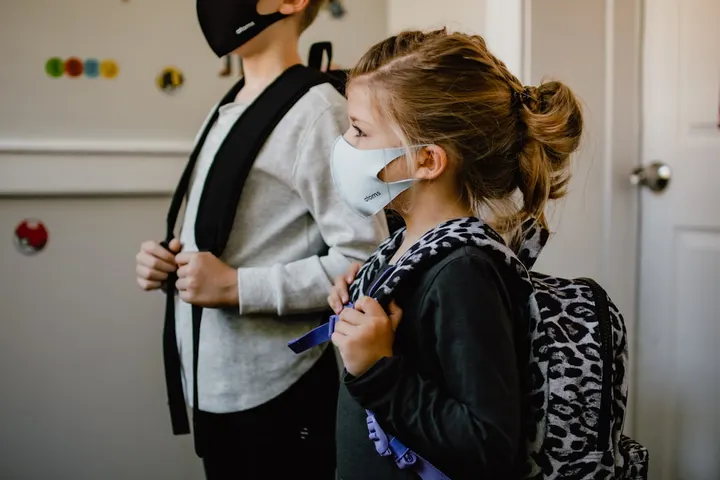
Discovering that your child is being bullied can feel like a punch to the gut. The immediate surge of emotions – fear, anger, helplessness, and a fierce protectiveness – is overwhelming. You might find yourself replaying conversations, scrutinizing their behavior, and wondering if you missed something. It's a deeply unsettling experience for any parent, leaving you desperate to make the pain stop and ensure your child's safety and well-being. This isn't just a phase; it's a serious issue that demands attention and a clear, compassionate response. If your child is being bullied, know that you are not alone, and there are indeed proven steps for parents to take.
The worry can consume your thoughts, making it difficult to focus on anything else. You want to shield your child from harm, but the insidious nature of bullying often makes it feel like an invisible enemy. This comprehensive guide will walk you through understanding the complexities of bullying, its profound impact, and actionable strategies to support your child, engage with their school, and foster their resilience.
Navigating this challenging period requires patience, empathy, and a strategic approach. Our aim is to equip you with the knowledge and tools to effectively address the situation, advocate for your child, and help them emerge stronger. Remember, your unwavering support is the most powerful shield your child has against the emotional wounds inflicted by bullying.
Why it happens: Understanding the Dynamics of Bullying
Bullying is not merely a normal part of childhood or an isolated incident; it is a pattern of aggressive behavior that involves an imbalance of power and is repeated over time. This imbalance can manifest in various ways, such as physical strength, social status, or access to embarrassing information. Understanding the different forms bullying can take is the first step in recognizing and addressing it effectively.
Physical bullying involves hitting, kicking, tripping, pushing, and destroying property. Verbal bullying includes name-calling, teasing, insults, threats, and homophobic or racist remarks. Social or relational bullying aims to harm someone's reputation or relationships, often through exclusion, spreading rumors, or public humiliation. Cyberbullying, a growing concern in the digital age, involves using electronic communication to bully, such as sending mean texts, posting embarrassing photos, or spreading rumors online.
The psychological reasons behind why children bully are complex and multifaceted. Bullies often seek to gain control, attention, or social status within their peer group. They might be struggling with their own insecurities, anxieties, or difficult home lives, using bullying as a way to cope with their pain or exert power they feel they lack elsewhere. A study by the World Health Organization (WHO) in 2016 highlighted that children who bully are often exposed to violence or harsh parenting at home, suggesting a learned behavior pattern.
Some bullies may lack empathy, making it difficult for them to understand or care about the impact of their actions on others. Peer pressure also plays a significant role, with some children engaging in bullying behavior to fit in with a dominant group or avoid becoming targets themselves. Research from the University of California, Los Angeles, in 2018 indicated that bullies often have a strong desire for popularity and social influence, even if it means resorting to aggressive tactics.
Children who are targeted by bullies are often perceived as being different in some way, whether it's their physical appearance, interests, academic abilities, or social skills. They might be quieter, more sensitive, or less assertive, making them seem like easier targets. Children with disabilities, special educational needs, or those from minority groups are also disproportionately at risk. Sometimes, a child might simply be "the new kid" and become a target because they are an outsider, as noted in anecdotal accounts from parents.
It's crucial to remember that the target of bullying is never to blame for the bully's actions. Bullying stems from issues within the bully, not deficiencies in the child being targeted. Recognizing these dynamics helps parents approach the situation with greater understanding and develop more effective strategies for intervention and support.
The Consequences if left unaddressed: A Ripple Effect
The impact of bullying extends far beyond the immediate pain of the incident itself, creating a ripple effect that can profoundly affect a child's development and well-being. If left unaddressed, bullying can inflict deep emotional, psychological, and even physical scars that may persist for years, shaping their self-perception and their interactions with the world.
In the short term, children who are bullied often experience intense emotional distress, including heightened anxiety, fear, sadness, and anger. They may develop physical symptoms such as headaches, stomach aches, and difficulty sleeping, which are often stress-induced. Their academic performance can decline significantly as their ability to concentrate diminishes, leading to school refusal or a strong aversion to attending school. Socially, they may withdraw from friends and activities they once enjoyed, leading to isolation and loneliness.
The long-term consequences are even more concerning. Children who are persistently bullied are at a significantly higher risk of developing serious mental health issues, including clinical depression, generalized anxiety disorder, and even post-traumatic stress disorder (PTSD). A 2015 study published in The Lancet Psychiatry found that victims of bullying were more likely to experience mental health problems in adulthood, including anxiety disorders and depression, even after accounting for other risk factors.
Bullying can erode a child's self-esteem, leaving them with chronic feelings of shame, worthlessness, and inadequacy. This diminished self-worth can make it difficult for them to form trusting relationships later in life, as they may struggle with intimacy and fear rejection. In severe cases, the emotional toll can lead to self-harming behaviors or suicidal ideation, highlighting the critical importance of early intervention and support. The Centers for Disease Control and Prevention (CDC) consistently reports a strong link between bullying and youth suicide, underscoring the severity of the issue.
It's also important to consider the long-term consequences for the bullies themselves. Research indicates that children who engage in bullying behavior are at an increased risk of developing antisocial personality traits, substance abuse problems, and engaging in criminal behavior in adulthood. They may also struggle with maintaining healthy relationships due to their aggressive tendencies and lack of empathy. Therefore, addressing bullying is not only crucial for the victim but also for the bully and the overall health of the school community.
What the science says: Evidence-Based Insights
Decades of research have illuminated the complex nature of bullying and, more importantly, have identified effective strategies for prevention and intervention. The scientific consensus underscores that bullying is a systemic issue, not merely individual acts of meanness, and therefore requires a comprehensive, multi-layered approach involving parents, schools, and communities.
One of the most widely recognized and scientifically validated anti-bullying programs is the Olweus Bullying Prevention Program (OBPP), developed by Dr. Dan Olweus in Norway. Studies on OBPP, including a 2007 meta-analysis published in the Journal of School Psychology, consistently demonstrate its effectiveness in reducing bullying behaviors and improving school climate. The program emphasizes a whole-school approach, involving clear rules against bullying, consistent consequences, increased adult supervision, and fostering positive peer relations.
Research also highlights the critical role of parental involvement. A 2014 study by the University of Texas at Austin found that children whose parents were actively involved in their school lives and communicated openly about bullying were more likely to report bullying incidents and experience positive outcomes. This parental engagement includes not only advocating for their child at school but also fostering open communication at home and teaching coping mechanisms.
Furthermore, studies have shown that interventions focusing on building empathy and social-emotional learning skills in all children can significantly reduce bullying. For instance, a 2011 review in Child Development indicated that programs designed to enhance emotional regulation, perspective-taking, and conflict resolution skills among students contribute to a more inclusive and less aggressive school environment. These findings suggest that addressing the root causes of aggressive behavior and promoting positive social interactions are key to long-term success.
The science also unequivocally states that early intervention is paramount. The longer bullying persists, the more entrenched the negative psychological effects become, and the harder it is to reverse the patterns of behavior. A 2017 report from the National Academies of Sciences, Engineering, and Medicine emphasized that addressing bullying early can prevent severe mental health consequences and promote healthier development for all children involved. This evidence provides a strong foundation for the practical steps parents can take, ensuring their efforts are aligned with what is known to be most effective.
Practical step-by-step strategies: Empowering Your Child and Taking Action
When your child is being bullied, taking a structured, proactive approach is essential. These proven steps will guide you through supporting your child emotionally, gathering necessary information, and engaging effectively with the school system.
Step 1: Create a Safe Space for Communication and Listen Empathetically
The very first and most crucial step is to ensure your child feels safe enough to open up to you. Many children are reluctant to talk about bullying due to shame, fear of retaliation, or the belief that adults won't help or will make things worse. Begin by observing their behavior; changes in mood, appetite, sleep, or a sudden reluctance to go to school can be significant indicators. Instead of directly asking, "Are you being bullied?", try open-ended observations like, "I've noticed you seem a bit quiet lately, or you haven't been as excited about school. Is everything okay?"
When they do start to share, listen without interrupting, judging, or overreacting. It's natural to feel a surge of anger or sadness, but expressing these emotions too strongly can shut your child down. Maintain a calm, supportive demeanor. Validate their feelings by saying, "That sounds incredibly difficult," or "It's completely understandable that you feel angry/scared." Reassure them unequivocally that it is not their fault and that you believe them. A powerful question to ask is, "What can I do to be helpful?" This empowers them and gives them a sense of control in a situation where they likely feel powerless. This open dialogue is fundamental to understanding what to do if your child is being bullied at school or elsewhere.
Step 2: Document Everything Meticulously
Once you have a clearer picture of what's happening, start a detailed record of every incident. This documentation will be your most powerful tool when engaging with the school or other authorities. Your log should include dates, times, specific locations (e.g., playground, classroom, online), the exact nature of the bullying (what was said or done), who was involved (bully's name if known, witnesses), and the emotional and physical impact on your child. For cyberbullying, take screenshots, save messages, and record URLs.
Keep a separate record of all communications you have with the school, including dates, names of staff members you spoke with, what was discussed, and any agreed-upon actions. This creates a factual, objective history that can be referred to if the situation escalates or if you need to demonstrate a lack of effective response. Consistent and thorough documentation ensures that no detail is overlooked and provides a solid foundation for your advocacy.
Step 3: Empower Your Child with Coping Skills and Resilience
While you are working to stop the bullying, it's equally important to equip your child with strategies to cope and build their inner strength. This isn't about teaching them to fight back physically, but rather to respond assertively and protect their emotional well-being. Teach them assertive communication: practicing phrases like, "Stop, I don't like that," or "Leave me alone." Role-playing these scenarios at home can build confidence.
Encourage them to walk away from the situation if possible and immediately seek out a trusted adult. Help them identify a "safe person" at school—a teacher, counselor, or another staff member they feel comfortable approaching. Building self-esteem is crucial; focus on their strengths, encourage hobbies where they can thrive, and provide positive affirmations. To outsmart a bully, it's often about not giving them the reaction they crave. Teach your child that a bully's power diminishes when their target doesn't show fear or distress. This is a key aspect of resilience for kids facing bullying.
Step 4: Engage with the School System Effectively and Proactively
Your child's school has a legal and ethical responsibility to provide a safe learning environment. Before your first meeting, request a copy of the school's anti-bullying policy. This document will outline their procedures for reporting, investigating, and resolving bullying incidents, serving as your framework for discussion. Schedule a meeting, starting with the child's teacher, then potentially the head of year or form tutor, and if necessary, school leadership.
Present your documented evidence calmly and factually, focusing on the pattern of behavior and its impact on your child. Collaborate with the school on a clear action plan, including specific steps they will take, a timeline for implementation, and how they will communicate updates to you. Follow up consistently, documenting all communications and outcomes. If the initial response is insufficient, be prepared to escalate the issue to the headteacher, school governors, or even the local education authority, always referring back to the school's own policy and your detailed records.
Step 5: Foster a Strong Support Network and Positive Influences
Beyond the school environment, ensure your child has a robust support system. Encourage friendships outside of school, perhaps through clubs, sports, or community groups, where they can experience positive social interactions and rebuild their confidence. Connect with other parents if appropriate, as shared experiences can provide valuable insights and mutual support. Ensure your child knows they have a "safe person" at home and elsewhere they can always talk to.
Be mindful of media consumption; while some anti-bullying films can be empowering, excessive exposure to negative or violent content can exacerbate anxiety. Instead, encourage positive media that promotes kindness, empathy, and resilience. Your consistent love, understanding, and advocacy are the pillars of their support network, helping them navigate the challenges of bullying for kids and emerge stronger.
Step 6: Monitor and Reassess Continuously
Stopping bullying is rarely an overnight process; it often requires ongoing vigilance and adaptation. Continuously check in with your child about their feelings, experiences, and any changes in the bullying situation. Be prepared for setbacks and understand that the situation may not resolve perfectly or permanently after one intervention. Regularly review the effectiveness of the strategies you and the school have implemented.
If the bullying persists or if your child's emotional distress worsens, be ready to adjust your approach, re-engage with the school, or consider additional support. Your sustained attention and willingness to adapt are crucial for ensuring your child's long-term safety and emotional recovery. This ongoing monitoring ensures that your child knows you are consistently there for them, ready to act on their behalf.
When to seek a professional: Recognizing the Need for Expert Support
While parental support and school intervention are often effective, there are times when the emotional and psychological toll of bullying necessitates professional help. Recognizing these warning signs and knowing when to seek expert support is crucial for your child's long-term well-being.
You should consider seeking professional help if you observe persistent and severe changes in your child's behavior or emotional state. These warning signs include prolonged periods of anxiety, depression, or profound social withdrawal that don't improve despite interventions. Significant changes in sleep patterns, such as insomnia or excessive sleeping, or noticeable alterations in eating habits (loss of appetite or overeating) are also red flags.
Perhaps the most critical warning signs are any expressions of self-harm, suicidal ideation, or a pervasive sense of hopelessness and worthlessness. If your child talks about wanting to hurt themselves, expresses a desire not to be alive, or engages in self-injurious behaviors, seek immediate professional help. These are not cries for attention but serious indicators of deep distress that require urgent intervention.
Other signs include severe academic decline, a complete refusal to attend school for extended periods, or the development of physical symptoms (like chronic headaches or stomach aches) for which no medical explanation can be found. If your child exhibits extreme fear, panic attacks, or persistent nightmares related to the bullying, these are also strong indicators that professional support is needed to process the trauma.
When seeking professional help, consider a child psychologist or therapist who specializes in trauma, anxiety, depression, or child development. They can provide a safe space for your child to process their experiences, develop coping mechanisms, and rebuild their self-esteem. A school counselor can be a good first point of contact, provided they are trusted and effective within the school system. Your pediatrician can also offer an initial assessment and provide referrals to mental health specialists. Additionally, local anti-bullying organizations or mental health services often have resources and support groups for children and families navigating these challenges. Remember, seeking professional help is a sign of strength and commitment to your child's healing, not a failure.
- 👇 Listen empathetically and validate your child's feelings, ensuring they feel heard and believed.
- 📜 Document incidents thoroughly and engage with the school proactively, using their anti-bullying policy as your guide.
- 💪 Empower your child with coping skills and resilience, and know when to seek professional help for their emotional well-being.
Related articles
- School Refusal: 7 Strategies That Work for Parents
- Child Always on Tablet: 5 Rules That Work Instantly
- The Importance of Play in Children's Learning
Frequently asked questions
How to deal with a child being bullied?
Dealing with a child being bullied requires a multi-faceted approach centered on support, advocacy, and empowerment. Begin by creating a safe, non-judgmental space for your child to share their experiences, listening empathetically without overreacting. Document every incident meticulously, noting dates, times, locations, and specific details, as this evidence will be crucial. Empower your child with coping skills, such as assertive communication, knowing when to walk away, and identifying trusted adults for help. Proactively engage with the school by understanding their anti-bullying policy, scheduling meetings with staff, and collaborating on an action plan. Finally, foster a strong support network for your child and be prepared to seek professional help if their emotional distress is severe or persistent.
What is the 3 3 3 rule for kids?
The "3-3-3 rule" is a grounding technique often taught to children (and adults) to manage anxiety and overwhelm, which can be particularly useful for a child experiencing bullying. It involves identifying three things you can see, three things you can hear, and then moving three parts of your body (like wiggling fingers, toes, or rotating your head). This simple exercise helps to redirect focus from anxious thoughts to the present moment, calming the nervous system. It can be a practical tool for a child to use discreetly when feeling overwhelmed or stressed by a bullying encounter, helping them regain a sense of control and composure.
What is usually recommended as the first step to take if you are being bullied or harassed?
The first recommended step for a child being bullied or harassed, if they feel safe and comfortable, is to calmly and assertively tell the other person that their behavior is unwelcome and ask them to stop. This direct communication can sometimes be enough, as the bully may not fully realize the impact of their actions. However, safety is paramount; if direct confrontation feels unsafe or ineffective, the immediate first step should be to walk away from the situation and report the incident to a trusted adult, such as a parent, teacher, or school counselor. Empowering your child to know when to speak up and when to seek adult intervention is key.
How to outsmart a bully?
Outsmarting a bully isn't about physical confrontation or matching their aggression; it's about emotional intelligence, strategic responses, and self-preservation. This involves not giving the bully the reaction they crave, as bullies often thrive on seeing their target's distress. Teach your child to remain calm, use assertive body language, and deliver a firm, simple statement like, "Stop," or "That's enough." Walking away and ignoring the bully can also be effective, as it denies them the audience and power they seek. Most importantly, outsmarting a bully means consistently seeking help from trusted adults and building a strong support system, demonstrating that the child is not alone and has resources to protect themselves.
What to do if your child is being bullied at school?
If your child is being bullied at school, your actions should focus on immediate support for your child and systematic engagement with the school. Start by listening to your child, validating their feelings, and assuring them it's not their fault. Document every incident with specific details, including dates, times, and locations within the school. Familiarize yourself with the school's anti-bullying policy and schedule a meeting with the child's teacher or head of year. Present your documented evidence calmly, discuss the school's policy, and collaborate on a clear action plan. Follow up consistently, and if the situation doesn't improve, escalate the issue to the headteacher, school governors, or the local education authority, ensuring your child's safety and well-being remain the top priority.
What are the warning signs that my child is being bullied?
Warning signs that your child might be experiencing bullying can be subtle but often involve changes in behavior, mood, and physical well-being. Look for unexplained injuries, damaged belongings, or a sudden loss of personal items. Emotionally, they might become more anxious, withdrawn, irritable, or sad, experiencing frequent mood swings. Academically, you might notice a drop in grades, a reluctance to go to school, or complaints of feeling sick on school days. They may also lose interest in activities they once enjoyed, have difficulty sleeping, or experience changes in appetite. Any significant or persistent deviation from your child's usual behavior warrants open and empathetic conversation to uncover the underlying cause.
Navigating the complex landscape of bullying is undoubtedly one of the most challenging experiences a parent can face. Yet, with patience, persistence, and the proven strategies outlined here, you can make a profound difference in your child's life. Your unwavering love, active listening, and determined advocacy are the most powerful tools in their corner. Remember that healing takes time, and there will be ups and downs, but your consistent presence and support will guide your child toward resilience and renewed confidence. You are their anchor in the storm, and together, you can overcome this. Keep communicating, keep advocating, and keep believing in your child's strength to thrive.
Foto di Kelly Sikkema su Unsplash.