How to Get Child to Sleep: Proven Tips That Work
The sun has set, dinner is done, and the house should be winding down. Yet, for countless parents, the evening brings a familiar dread: the bedtime battle. You’ve tried everything – stories, lullabies, even a stern word or two – but your little one is still wide-eyed, full of energy, and seemingly immune to sleep. This nightly struggle isn't just exhausting; it chips away at your own rest and leaves you wondering, how to get child to sleep: proven tips that work?
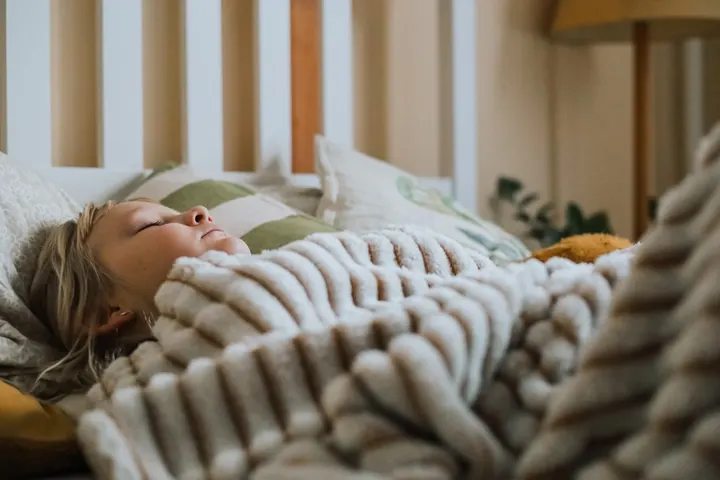
The sun has set, dinner is done, and the house should be winding down. Yet, for countless parents, the evening brings a familiar dread: the bedtime battle. You’ve tried everything – stories, lullabies, even a stern word or two – but your little one is still wide-eyed, full of energy, and seemingly immune to sleep. This nightly struggle isn't just exhausting; it chips away at your own rest and leaves you wondering, how to get child to sleep: proven tips that work?
You're not alone in this challenge. From toddlers testing boundaries to older children grappling with screen time or anxiety, sleep issues are a universal parental concern. The good news is that achieving peaceful, consistent sleep for your child is not an impossible dream. It requires understanding, patience, and the implementation of proven strategies that align with your child’s unique needs and developmental stage. This comprehensive guide will equip you with the knowledge and practical tools to transform your family’s bedtime experience, ensuring everyone gets the restorative sleep they deserve.
The Universal Challenge: Why Children Struggle with Sleep
Children's sleep patterns are complex and influenced by a myriad of factors, making bedtime a challenging frontier for many families. Understanding the root causes of sleep resistance is the first step toward finding effective solutions. It's not about a child being 'naughty'; it's often about their developing bodies and minds navigating the world.
Understanding the Science of Sleep in Children
Sleep is a fundamental biological need, crucial for a child's physical, cognitive, and emotional development. It's governed by an internal clock, the circadian rhythm, which dictates when we feel awake and when we feel sleepy. Melatonin, a hormone produced by the brain, plays a key role in signaling to the body that it's time to sleep. In children, this system is still maturing, making them more susceptible to disruptions. They cycle through different sleep stages – light sleep, deep sleep, and REM sleep – which are vital for memory consolidation, growth, and cellular repair. When these cycles are interrupted, the quality and quantity of sleep suffer, leading to a cascade of daytime challenges.
Common Culprits Behind Sleepless Nights
Several factors can conspire to keep children awake long past their bedtime. Identifying these common culprits is essential for tailoring effective interventions.
- Inconsistent Routines: A lack of predictability is a major disruptor. Children thrive on routine, and a haphazard bedtime schedule confuses their internal clock, making it harder for their bodies to recognize when it's time to wind down. The Sleep Foundation highlights that consistency is paramount for healthy sleep habits across all age groups.
- Overstimulation: Modern life bombards children with stimuli. Late-night play, exciting stories, or, most significantly, screen time from tablets, phones, and TVs can over-excite their brains. The blue light emitted by screens suppresses melatonin production, actively working against the body's natural sleep signals.
- Unsuitable Sleep Environment: The bedroom itself can be an unwitting saboteur of sleep. A room that's too bright, too noisy, too hot, or too cold can prevent a child from falling asleep or staying asleep. Even small details like an uncomfortable mattress or scratchy bedding can make a difference.
- Dietary Factors: What children consume, especially in the hours leading up to bedtime, can impact their sleep. Caffeine, found in sodas, chocolate, and some energy drinks, is a stimulant. Sugary snacks can also provide a temporary energy boost that delays sleep onset.
- Underlying Issues: Sometimes, sleep difficulties are symptoms of deeper concerns. Anxiety, fears (like fear of the dark or separation anxiety), or medical conditions such as sleep apnea, restless leg syndrome, or even common colds can disrupt sleep. For children with neurodevelopmental differences, such as ADHD, sleep challenges are even more common due to differences in brain regulation and sensory processing.
- Age-Specific Needs and Regressions: Sleep needs change dramatically with age. A newborn sleeps differently than a toddler, a preschooler, or a 10-year-old. Developmental milestones, growth spurts, or changes in routine (like starting school or dropping a nap) can trigger temporary sleep regressions, making parents wonder, 'My 2 year old child won't sleep!'
The Ripple Effect: Consequences of Poor Sleep for Children and Families
When children consistently miss out on adequate, quality sleep, the repercussions extend far beyond just feeling tired. The World Health Organization (WHO) and numerous research bodies emphasize the critical role of sleep in overall health and development. The downstream effects can be profound, impacting every aspect of a child's life and placing significant strain on the entire family unit.
Impact on Child's Development and Well-being
Sleep is not merely a period of rest; it's an active process vital for growth, learning, and emotional regulation. Insufficient sleep can manifest in a variety of ways:
- Mood and Behavior: Children who don't get enough sleep are often more irritable, prone to tantrums, and have difficulty managing their emotions. They might exhibit hyperactivity, impulsivity, or aggression, leading to more challenging interactions at home and school.
- Cognitive Function and Learning: Sleep plays a crucial role in memory consolidation and attention. A tired child struggles to focus in class, absorb new information, and solve problems. This can lead to academic difficulties and a reduced capacity for learning and creativity.
- Physical Health: Chronic sleep deprivation can weaken the immune system, making children more susceptible to illness. It's also linked to an increased risk of obesity, as sleep influences hormones that regulate appetite and metabolism. The CDC highlights that inadequate sleep can increase the chance of various mental, behavioral, and developmental disorders.
- Emotional Regulation: Sleep helps children process emotions and cope with stress. Without sufficient rest, they may find it harder to regulate their feelings, leading to increased anxiety or even symptoms of depression.
Strain on Family Dynamics
A child's sleep problems rarely affect only the child. Parents often bear the brunt of sleepless nights, leading to a cycle of exhaustion and stress that permeates the entire household:
- Parental Exhaustion: Repeated night wakings or prolonged bedtime battles leave parents feeling drained, irritable, and less patient. This chronic fatigue can impact their work performance, relationships, and overall quality of life.
- Increased Stress and Conflict: The stress of sleep deprivation can heighten tension within the family. Parents may find themselves arguing more, and the general atmosphere at home can become more strained. The joy of parenting can be overshadowed by the constant struggle for sleep.
- Reduced Quality Time: When evenings are consumed by bedtime struggles, there's less time for parents to relax, connect with each other, or pursue their own interests. This can lead to feelings of resentment and isolation.
Long-Term Health Implications
While immediate consequences are evident, the long-term effects of chronic sleep deprivation in childhood are also a concern. Research suggests links between poor childhood sleep and an increased risk of chronic health conditions later in life, including cardiovascular issues and metabolic disorders. Establishing healthy sleep patterns early on is an investment in a child's lifelong well-being.
Practical Strategies for Parents: Proven Tips That Work
Transforming bedtime from a nightly battle into a peaceful transition requires a multi-faceted approach. These proven tips focus on creating a supportive environment, establishing consistent routines, and teaching children valuable self-soothing skills. Remember, consistency is your most powerful tool, and patience will be rewarded.
Establishing a Consistent Bedtime Routine (The Foundation)
Humans are creatures of habit, and children especially thrive on predictability. A consistent bedtime routine signals to your child's body and mind that it's time to wind down and prepare for sleep. This routine doesn't need to be rigid, but it should be followed in the same order, at roughly the same time, every single night, even on weekends. The American Academy of Pediatrics (AAP) strongly advocates for consistent routines to promote healthy sleep.
A typical routine might last 20-45 minutes and include:
- Bath or Shower: A warm bath can be incredibly relaxing, signaling a shift from active play to quiet time.
- Pajamas and Teeth Brushing: These physical actions reinforce the routine.
- Story Time: Reading together provides a calm, bonding experience. Choose soothing books, not overly exciting ones.
- Quiet Play or Cuddles: A few minutes of gentle, low-stimulus play or quiet conversation can help children feel secure and loved.
- Gentle Massage: A light massage can be very calming and help release tension.
For older children, like those wondering 'How to fall asleep fast for kids 10 year olds' or 'How to put a 9 year old to sleep in 40 seconds', the routine might evolve to include reading independently, listening to calming music, or journaling. The key is a predictable sequence of calming activities that helps them transition from the day's activities to sleep. This wind-down period is crucial for reducing cortisol levels and preparing the body for rest.
Optimizing the Sleep Environment (The Sanctuary)
The bedroom should be a haven for sleep – dark, quiet, and cool. These environmental factors significantly impact a child's ability to fall asleep quickly and stay asleep.
- Darkness: Light, especially blue light, interferes with melatonin production. Use blackout curtains or blinds to make the room as dark as possible. Even a small nightlight should be dim and emit a warm, red hue if necessary.
- Quiet: Minimize noise distractions. If complete silence isn't possible or preferred, consider a white noise machine or a fan. Consistent, low-level white noise can mask sudden sounds that might wake a child.
- Cool Temperature: The ideal sleep temperature is generally between 16-20°C (60-68°F). A cooler room signals to the body that it's time to rest. Ensure appropriate bedding that keeps your child comfortable without overheating.
- Comfort Items: A favorite soft toy, blanket, or 'lovey' can provide immense comfort and security, especially for younger children. Ensure it's easily accessible in their bed.
- Safe Sleep Practices for Infants: For babies, always follow the AAP's safe sleep guidelines: on their back, on a firm surface, in a crib or bassinet free of loose bedding, pillows, bumpers, or toys. Room-sharing (but not bed-sharing) for the first year is recommended.
- Weighted Blankets and Sensory Needs: For children who benefit from deep pressure, such as those with sensory processing differences or ADHD, a weighted blanket or compression sheet can be incredibly soothing. Always ensure the weight is appropriate (typically no more than 10% of the child's body weight) and consult with a pediatrician or occupational therapist.
Managing Screen Time and Digital Devices (The Modern Challenge)
In today's digital age, screen time is one of the biggest saboteurs of children's sleep. The blue light from screens suppresses melatonin, and the engaging content can overstimulate the brain, making it incredibly difficult to wind down. This is where Nami Kids offers invaluable support.
Parents schedule mandatory educational breaks during monitored app use, for example every 30 minutes. When the interval is reached, the child must complete the Pedagogical Pause. It does not only start when the daily screen allowance ends. How the Pedagogical Pause works.
Promoting Relaxation Techniques (Calming the Mind)
Teaching children how to relax their bodies and minds is a powerful skill for sleep. These techniques can be incorporated into the bedtime routine:
- Deep Breathing Exercises: Simple techniques like 'smell the flower, blow out the candle' or the 4-7-8 breathing method (inhale for 4, hold for 7, exhale for 8) can calm the nervous system. Guide your child through these exercises.
- Progressive Muscle Relaxation: For older children, guide them to tense and then relax different muscle groups, from their toes to their head. This helps them become aware of tension and release it.
- Mindfulness and Visualization: Encourage children to imagine a peaceful place or listen to a guided meditation designed for kids. There are many apps and audio stories available that promote relaxation.
- Gentle Music or Audio Stories: Calming instrumental music or soothing audiobooks can distract from anxious thoughts and help children drift off.
Addressing Specific Challenges
While the above strategies form a strong foundation, some situations require tailored approaches.
- How to help a child sleep with ADHD: Children with ADHD often struggle with executive function, making it hard to wind down. A highly structured, predictable routine with visual schedules is crucial. Incorporate sensory input that calms them, such as a weighted blanket or soft lighting. Ensure they get plenty of physical activity during the day to burn off energy, but avoid intense exercise close to bedtime. Consistency and patience are even more vital here.
- "How to put a kid to sleep in 40 seconds" / "How to make a kid sleep instantly": While the idea of 'instant' sleep is appealing, it's often unrealistic. The goal is to achieve rapid and natural sleep onset. By consistently applying the strategies above – a predictable routine, an optimal sleep environment, and effective wind-down techniques – you can significantly reduce the time it takes for your child to fall asleep. Think of it as creating a powerful set of sleep cues that, over time, will make falling asleep feel much faster and more effortless. It's about building habits, not finding a magic trick.
- What helps kids sleep naturally: All the strategies outlined above contribute to natural sleep. Avoiding reliance on sleep aids (melatonin, etc.) unless specifically advised by a pediatrician is generally recommended. Focus on behavioral and environmental adjustments first.
Daytime Habits that Influence Nighttime Sleep
Sleep isn't just about what happens at night; daytime activities play a huge role:
- Regular Wake-Up Times: Even on weekends, try to keep wake-up times consistent. This helps regulate the circadian rhythm.
- Adequate Physical Activity: Ensure your child gets plenty of outdoor play and exercise during the day. Physical activity helps them expend energy, but avoid vigorous play too close to bedtime.
- Healthy Diet and Hydration: A balanced diet supports overall health, including sleep. Limit sugary drinks and snacks, especially in the evening. Ensure they are well-hydrated throughout the day.
- Appropriate Nap Schedules: For younger children, naps are essential. However, naps that are too long or too late in the day can interfere with nighttime sleep. Adjust nap duration and timing as your child grows.
How Nami Kids Helps You Master Bedtime Routines and Digital Wellness
In a world increasingly dominated by screens, managing digital device usage is a cornerstone of healthy sleep hygiene. Nami Kids is designed to be your partner in establishing and maintaining these crucial boundaries, making the transition to bedtime smoother and more predictable for everyone.
Nami Kids empowers parents to create a digital environment that supports healthy development, including sleep. Our Autonomy Routines feature allows you to set clear, predictable schedules for device usage. You can easily configure 'bedtime mode' where devices automatically transition to a peaceful state, signaling to your child that screen time is over and it's time to wind down. This consistency helps children internalize the routine, reducing resistance and making the entire evening flow more calmly.
The aim is to alternate app use with educational activities and help children become familiar with digital rules. Mini-lessons in science, coding and emotional education are designed for children aged 6–12 and reviewed by pedagogists. How the Pedagogical Pause works.
With the Nami Parents Dashboard, you gain insights into your child's device usage patterns, allowing you to make informed adjustments to their routines. By understanding when and how your child uses screens, you can proactively create a balanced schedule that supports their sleep, learning, and overall well-being. Nami Kids helps you build a predictable, calm environment, transforming screen time from a bedtime obstacle into a manageable part of a healthy daily rhythm. Explore our plans and pricing to find the best fit for your family at namikids.app/prezzi.
- ✨ Consistency is the cornerstone of healthy sleep habits for children.
- 🌙 A dark, cool, and quiet sleep environment, combined with a screen-free wind-down, is crucial.
- 🚀 Nami Kids empowers families to manage digital wellness and build lasting, peaceful bedtime routines.
Related articles
Frequently asked questions
What to do with kids that won't sleep?
When children resist sleep, it's a common and frustrating challenge. The first step is to review and reinforce their bedtime routine. Ensure it's consistent, calming, and followed every night. Check their sleep environment: is it dark, quiet, and cool (16-20°C)? Eliminate screens at least an hour before bed. Practice relaxation techniques like deep breathing or gentle stories. If these foundational strategies don't work, consider if there are underlying issues like anxiety, fears, or medical conditions, and consult with a pediatrician. Nami Kids can help manage screen time and establish consistent routines, reducing common bedtime battles.
What is the 3-3-3 rule for children?
The '3-3-3 rule' is a guideline often used to promote general well-being and can indirectly support sleep. While variations exist, a common interpretation for children focuses on screen time and physical activity: 3 hours before bed, no screens; 3 hours of physical activity daily; 3 healthy meals a day. Adhering to the 'no screens 3 hours before bed' is particularly beneficial for sleep, as it allows melatonin production to begin naturally. The other aspects contribute to overall health, which in turn supports better sleep.
What is the 10-5-3-2-1 rule for sleep?
The 10-5-3-2-1 rule is a popular guideline for adults to optimize sleep, and it can be adapted for children to some extent. For children, it typically means:
- 10 hours before bed: No caffeine (this is often relevant for older children consuming sodas or chocolate).
- 5 hours before bed: No heavy exercise (light play is fine, but intense activity should be earlier).
- 3 hours before bed: No heavy meals or sugary snacks.
- 2 hours before bed: No homework or stressful activities.
- 1 hour before bed: No screens (this is crucial for all ages).
Following these guidelines helps prepare the body and mind for rest, making it easier to fall asleep.
What is the 777 rule for kids?
The '777 rule' for kids is a less commonly cited guideline, and its interpretation can vary. Often, it refers to a balanced daily schedule to promote overall health and well-being, which indirectly supports sleep. A common interpretation might be: 7 hours of sleep, 7 hours of school/learning, and 7 hours of free time/play. While the exact hours might need adjustment based on age and individual needs (e.g., younger children need more than 7 hours of sleep), the principle emphasizes balance in a child's day to prevent over-scheduling and ensure adequate rest and activity.
How can I help my child fall asleep faster naturally?
To help your child fall asleep faster naturally, focus on consistency and creating an optimal sleep environment. Establish a predictable, calming bedtime routine that includes activities like a warm bath, reading, and quiet conversation. Ensure their bedroom is dark, quiet, and cool. Implement a strict screen-free period at least an hour before bed. Teach simple relaxation techniques like deep breathing. During the day, ensure they get plenty of physical activity and maintain a regular wake-up time. These natural, behavioral strategies are highly effective in promoting rapid sleep onset.
My 2 year old child won't sleep – what should I do?
Toddlers, especially 2-year-olds, often experience sleep challenges due to developmental milestones, separation anxiety, or testing boundaries. Reinforce a consistent, loving bedtime routine. Offer a comfort item like a favorite blanket or stuffed animal. Be firm but gentle with boundaries; avoid giving in to requests for 'one more story' or 'one more drink' once the routine is complete. Ensure their room is a safe, comforting space. If they wake, offer brief reassurance without engaging in prolonged interaction. Consistency is key to helping them learn to self-soothe and return to sleep. Consider if recent changes (like dropping a nap) are impacting their nighttime sleep.
Achieving peaceful nights for your child is a journey, not a destination. It requires dedication, consistency, and a willingness to adapt strategies as your child grows. By implementing these proven tips and leveraging tools like Nami Kids to manage digital wellness, you can create a nurturing environment that fosters healthy sleep habits for your entire family. Embrace the process, and soon, the calm of bedtime will become a cherished part of your daily rhythm. Discover how Nami Kids can support your family's journey to better sleep today at namikids.app.
Foto di Richard Stachmann su Unsplash.